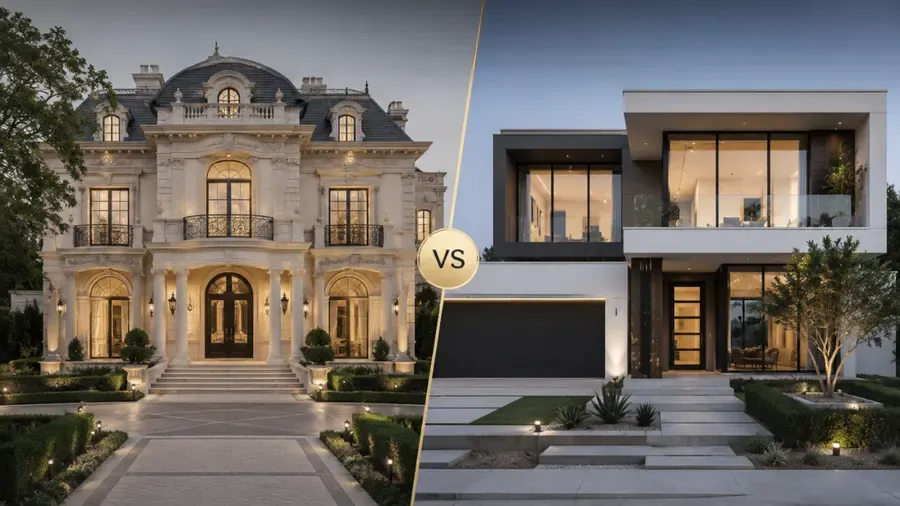
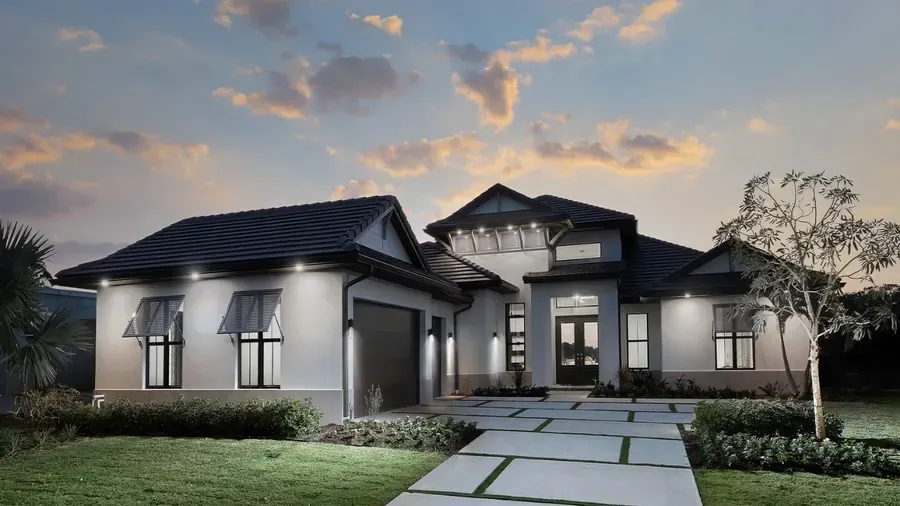
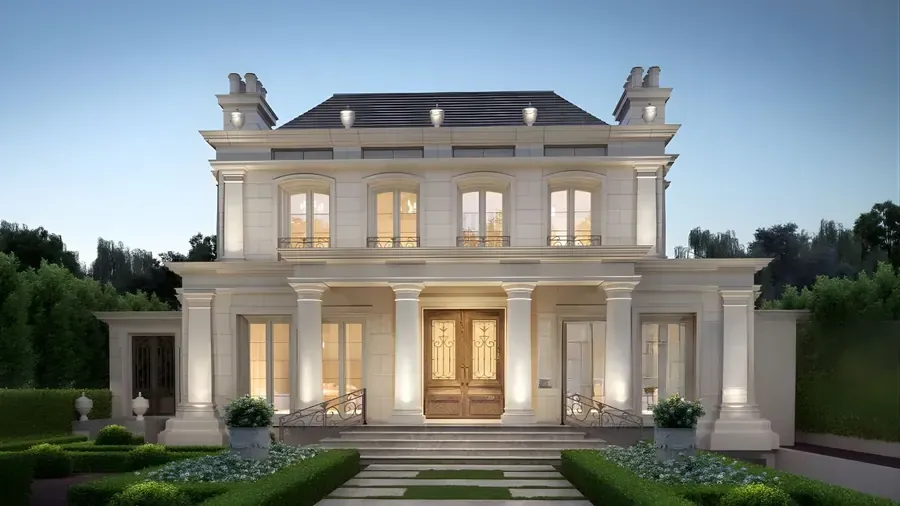
Luxury Home Architecture: Trends, Layouts & Key Elements Explained
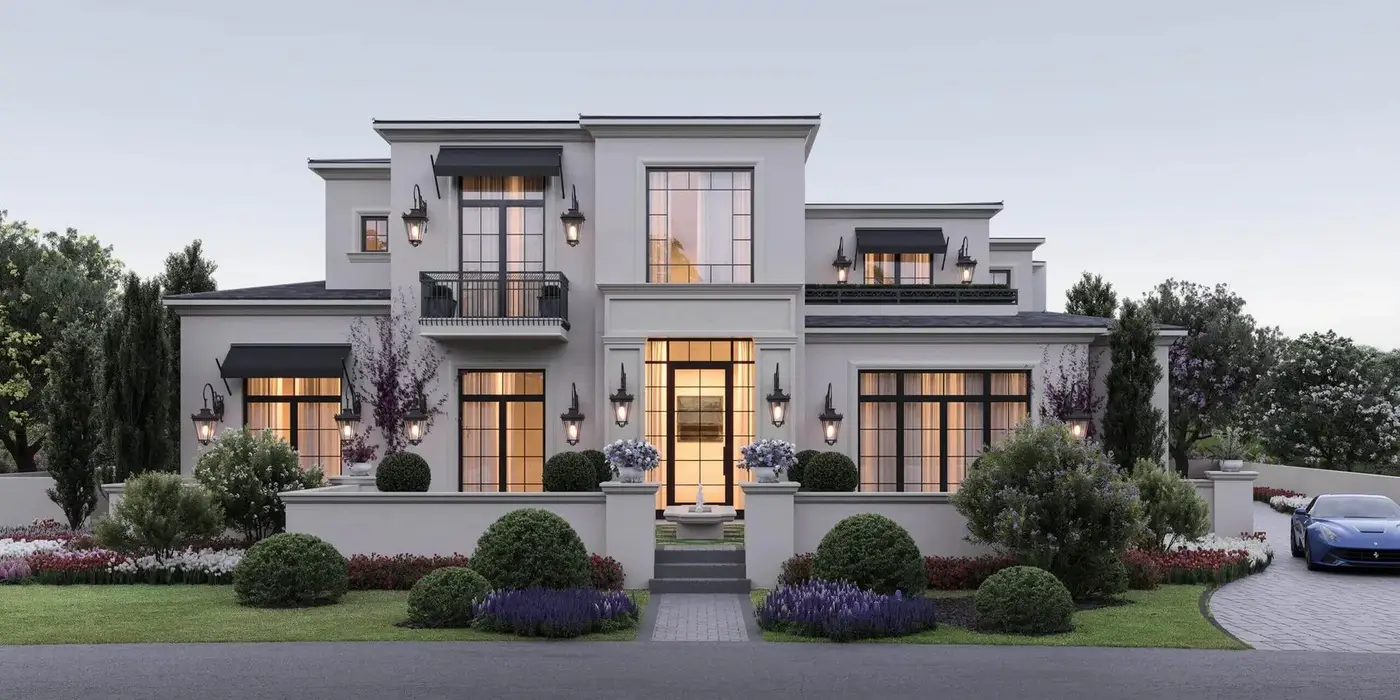
Most people think luxury architecture is about cost. It isn't.
Expensive and extraordinary are not the same thing. London is full of homes that cost millions and feel like nothing — over-specified, under-considered, impressive on paper and forgettable in person. Then there are homes that stop you the moment you walk in. Not because of the price tag, but because someone made a series of very deliberate decisions in their construction and design.
That's what luxury home architecture actually is. Decision-making at an exceptionally high standard. Every proportion considered. Every material chosen with intent. Every space planned around how real people actually live.
This guide breaks down exactly what defines luxury home architecture — the trends shaping it right now, the layouts that work, and the key elements that distinguish a genuinely great home from one that simply cost a lot to build.
What Is Residential Architecture?
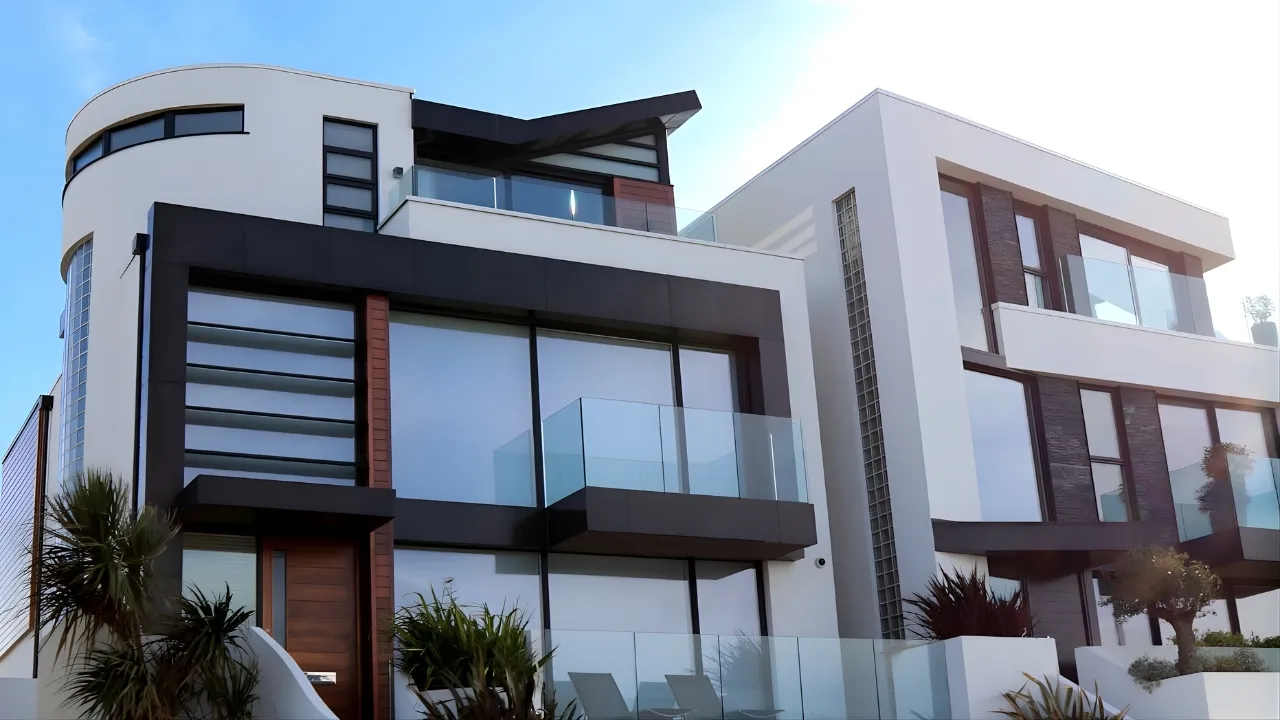
Residential architecture is the construction and design of homes — from the structural form of the building to the internal layout of its rooms, the materials used throughout, and the relationship between built space and natural light.
It covers everything from the shape of a building's façade to the ceiling height in a bedroom. It determines how a home functions daily, how it feels to live in, and how it performs over decades.
What is residential architecture at its highest level? It's the art of designing a home that's entirely specific to its site, its owner, and the way they live — and that still works as a piece of architecture in its own right.
In London, residential architecture carries an extra layer of complexity. Planning constraints, conservation areas, listed buildings, tight urban plots — all of these demand architects who understand not just design, but the regulatory and structural realities of building in one of the world's most demanding cities.
The ARCH Framework: How Great Architects for Luxury Homes Think
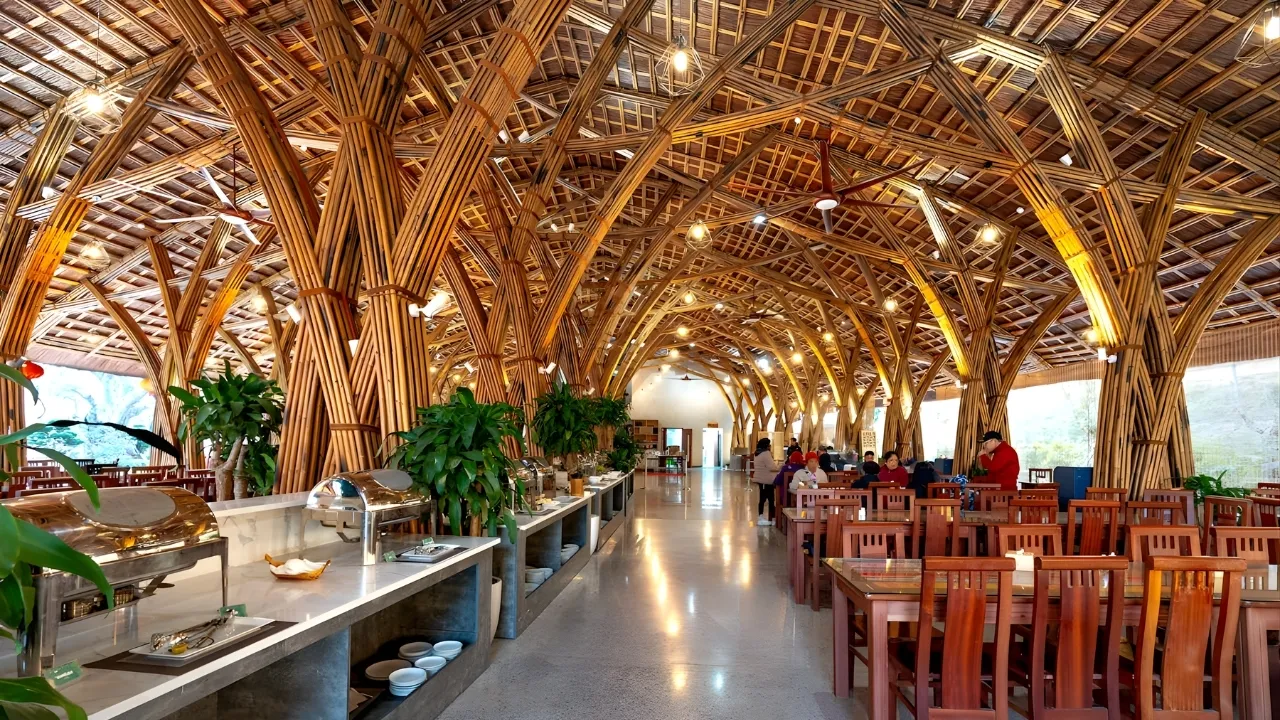
When you work with experienced high-end residential architects on a luxury project, you're not hiring someone to draw you a nice-looking house. You're hiring someone who applies a specific method of thinking — one that most homeowners don't see but always feel.
At Craftex, we call it the ARCH Framework. Four principles that underpin every luxury residential project we deliver in London.
A — Authenticity
R — Refinement
C — Craft
H — Harmony
Each one shapes a different dimension of the project. Together, they're what separates a home with genuine architectural merit from one that's simply large and well-finished.
A: Authenticity — Design With a Point of View
Luxury architecture fails when it tries to please everyone. The homes that work — that feel alive and specific — take a clear position.
Authenticity in residential design means the home reflects the people who live in it. Not in a vague, mood-board sense, but in concrete decisions: the way morning light enters the kitchen, how the entrance sequence sets a tone before you've even reached the living room, why the master suite faces the garden rather than the street.
Architects for luxury homes spend time understanding how clients actually live before they sketch a single line. Where do they eat when it's just family? Do they work from home? Do they entertain formally or informally? These answers shape the architecture — not the other way around. A home without a point of view is just a shell with expensive finishes.
R: Refinement — Attention Compressed Into Every Detail
Here's what most people miss about luxury architecture: the difference between a £2 million home and a £5 million home often isn't the size. It's the number of decisions that got made correctly in the final 10% of the project.
Refinement is the discipline of finishing completely. The junction between two materials. The reveal on a skirting board. The way a shadow gap frames a door. These are details a casual visitor will never consciously notice — but they feel them.
The absence of refinement is immediately apparent. Gaps. Inconsistency. Detailing that almost works. It reduces an otherwise strong piece of architecture to something that reads as expensive but not quite right. Most clients don't know what they're missing until they see it done properly. Then they can never unsee it.
C: Craft — Materials That Earn Their Place
The worst thing that happened to luxury interiors in the last decade was the rise of materials that look premium but perform poorly. Stone-effect tiles. Engineered finishes sold as the real thing. Facades that photograph well and age badly.
Real luxury architecture uses real materials — and materials chosen for how they'll perform, feel, and look in 20 years, not 20 minutes after installation.
Natural stone, structural timber, hand-finished plaster, architectural-grade glazing — these are materials with genuine character. They don't hide behind a finish. They improve with age. They tell an honest story about the building.
This is where high-end interior design and architecture intersect. The most coherent luxury homes treat interior finishes as an extension of the architecture — not a separate layer added on top of it.
H: Harmony — Spaces That Work Together
A home is not a collection of rooms. It's a sequence of experiences.
The best residential architects in London think spatially — they consider how spaces connect, how light moves through a floor plan over the course of a day, and how the relationship between rooms shapes the way a home feels.
This is why open-plan layouts work brilliantly in some homes and fall completely flat in others. It's not the open plan itself that matters — it's whether the proportions, the light sources, the sight lines, and the transitions between zones have been considered carefully.
Harmony means the home works as a whole. The living space doesn't fight the kitchen. The staircase doesn't interrupt the plan. The relationship between interior and exterior feels intentional rather than accidental.
Luxury Architecture Trends Shaping London Homes Right Now
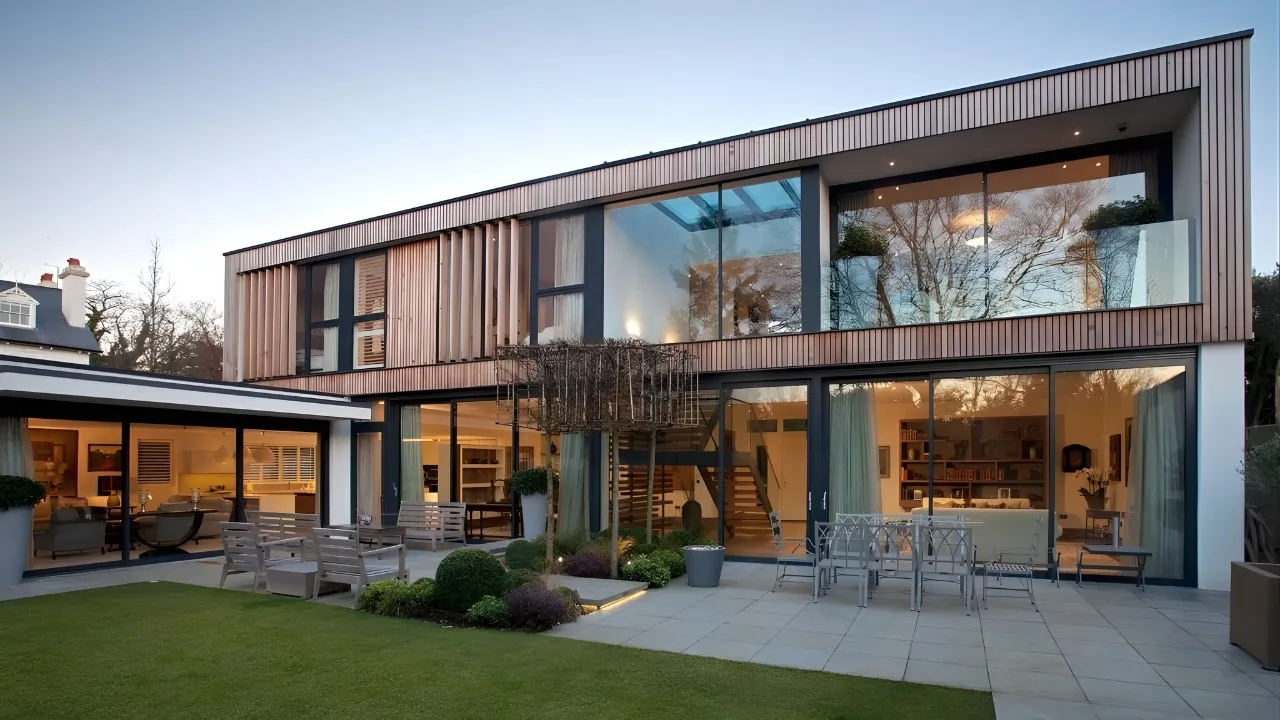
London's high-end residential market is moving in a clear direction. Here's what genuinely good architects for luxury homes are building into projects right now.
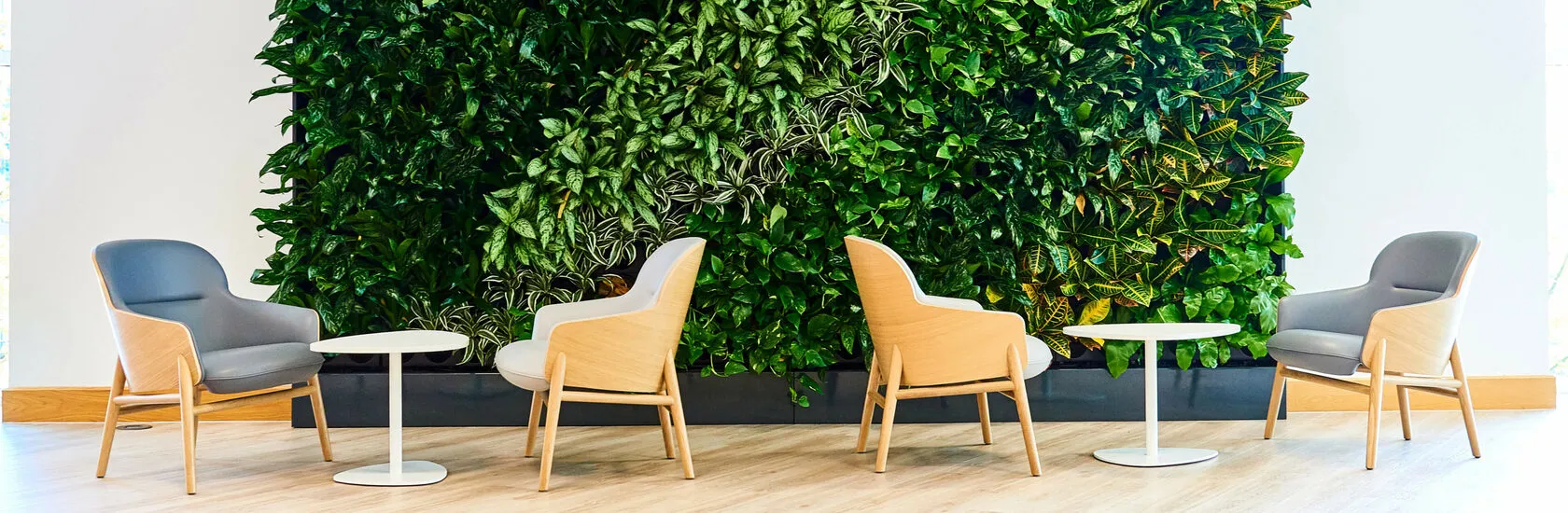
- Biophilic design is no longer optional: Natural light, natural materials, planted spaces, and visual connection to greenery — clients increasingly expect these as standard, not as upgrades. Homes that feel connected to the outside world are consistently valued higher and enjoyed more.
- Below-ground extensions are growing: With London planning restrictions making above-ground expansion harder, basement developments allow homeowners to add significant square footage without touching the roofline or changing the street façade. Well-designed basements — with light wells, double-height ceilings, and proper natural ventilation — no longer feel subterranean.
- Thermal performance is a luxury feature: The best luxury architecture now treats energy efficiency as part of the brief, not an afterthought. Highly insulated fabric, triple glazing, and low-energy heating systems reduce bills dramatically and make homes genuinely more comfortable — not just greener on paper.
- Spatial generosity over room count: Clients who once wanted seven bedrooms are now asking for five rooms done exceptionally well. Ceiling heights, room proportions, and quality of light matter more than square footage on paper.
If you're considering a home renovation and refurbishment project in London, these trends shape not just what's fashionable now — they shape what will hold its value in ten years.
Working With Architects for Luxury Homes in London
Choosing the right team is the most consequential decision in any luxury residential project. The right architects bring design intelligence, technical rigour, planning expertise, and genuine understanding of what makes a home work for the people living in it.
At Craftex, our high-end residential architects work across London — from basement conversions and full refurbishments to ground-up new builds and complex heritage projects. We bring together architecture, interior design, and construction under one team, which means the vision you agree at the design stage is the vision that gets built. If you have a residential project in mind, get in touch for a free consultation.
Conclusion
Luxury home architecture is more than cost — it’s thoughtful design, intentional decisions, and spaces that enhance how people live. Understanding residential architecture, the ARCH framework, and trends like biophilic design and energy efficiency helps homeowners create truly exceptional homes, whether for a new build, renovation, or refurbishment.
CTA: Craftex delivers high-end residential architecture and construction across London. With 150+ completed projects and an in-house team of architects, designers, and skilled craftsmen, we manage your project from first concept to final handover.