Luxury vs Modern Home Architecture: What's the Difference?
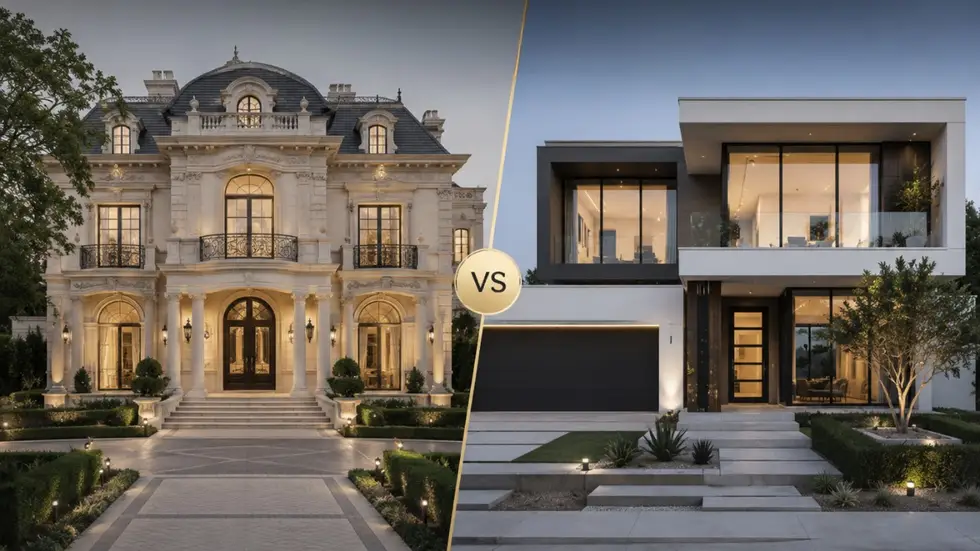
Ask ten people to describe their dream home, and you'll probably get ten different answers. Some will imagine clean lines, large glass walls, and open-plan living spaces. Others will picture marble floors, grand staircases, and beautifully crafted interiors.
The first group is thinking about modern home architecture. The second is thinking about high end architecture.
Many people assume these two concepts compete with each other, but that's a misunderstanding. Modern and luxury are not opposites. One describes a design style, while the other describes a level of quality and craftsmanship.
Understanding this distinction can help homeowners make better design decisions, set realistic budgets, and create a home that truly reflects their lifestyle.
Understanding Modern and Luxury Home Architecture
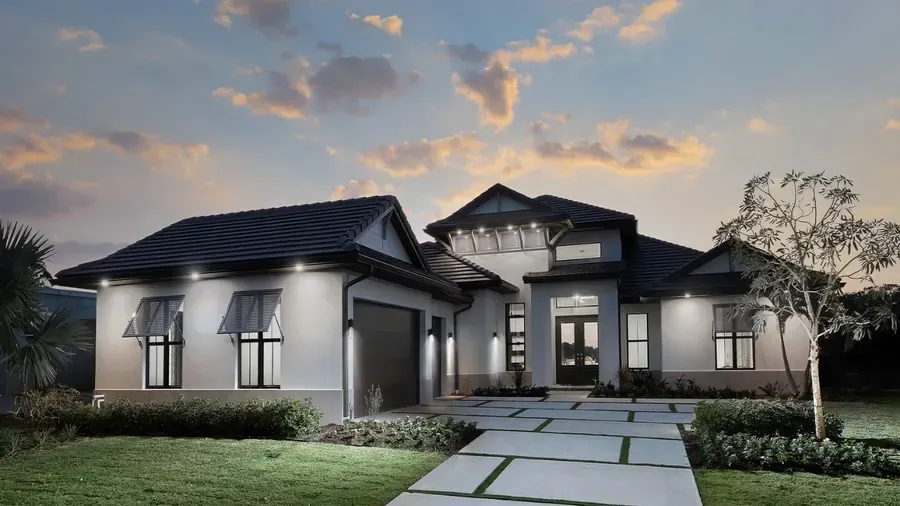
Modern home architecture is a design style that emerged in the early twentieth century. It is based on the idea that buildings should be functional, simple, and honest in their design. Rather than relying on decorative details, modern homes focus on clean lines, open spaces, natural light, and a strong connection between indoor and outdoor living.
Common characteristics of modern homes include:
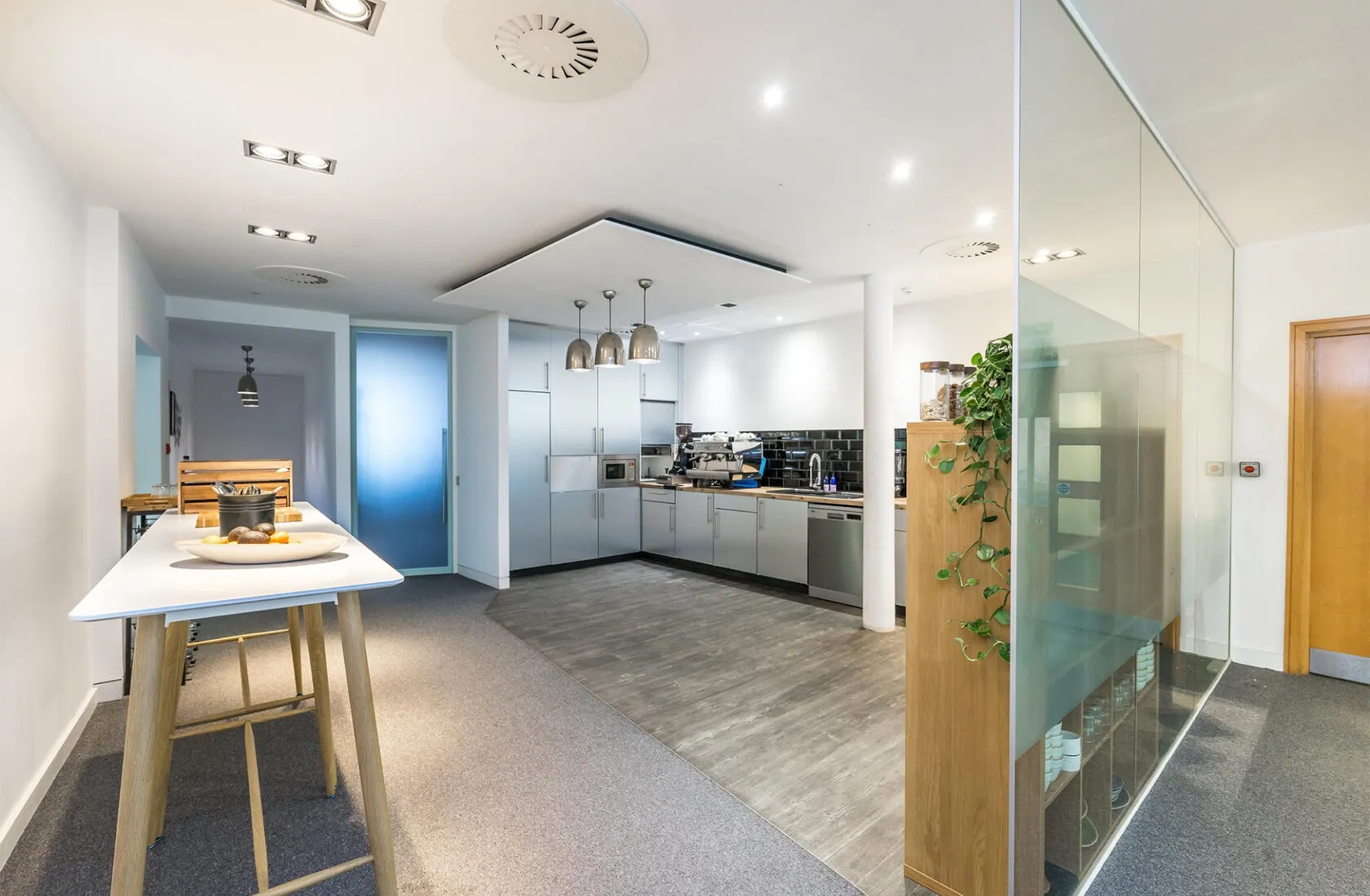
- Open-plan layouts
- Large windows and glazed walls
- Minimal ornamentation
- Flat or low-pitched roofs
- Simple material palettes such as glass, steel, timber, and concrete
- Functional, uncluttered spaces
In modern architecture, every element serves a purpose. The focus is on simplicity, usability, and visual clarity.
What Is Luxury Home Architecture?
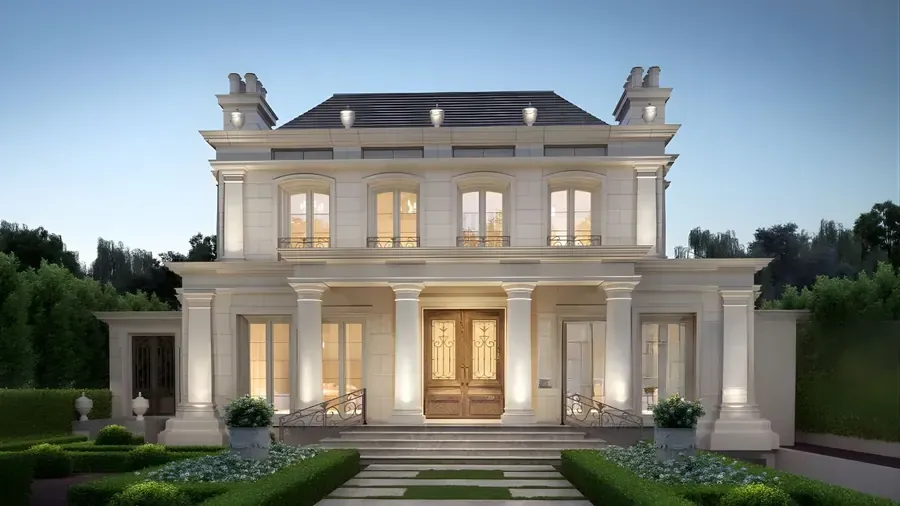
Luxury home architecture is not a specific architectural style. Instead, it refers to the quality, scale, craftsmanship, and attention to detail within a home. A luxury home can be modern, traditional, Georgian, Victorian, contemporary, or even a converted rural property. What defines luxury is the standard of construction and finish rather than the appearance.
Features commonly associated with luxury homes include:
- Premium materials and finishes
- Bespoke joinery and custom design features
- Advanced heating and cooling systems
- Smart home technology
- Spacious layouts
- High-end kitchens and bathrooms
- Exceptional craftsmanship throughout
Luxury architecture focuses on creating a unique and highly personalised living experience. This is why many homeowners choose to invest in professional interior design — the right interiors design choices can elevate a property from simply well-built to truly exceptional.
The Key Difference in One Sentence
Modern architecture is about how a home looks and functions, while luxury architecture is about how well it is built and finished.
- Modern is a design choice.
- Luxury is a quality standard.
A home can be modern without being luxurious, luxurious without being modern, or both at the same time.
Modern vs Luxury Home Architecture: A Quick Comparison
Feature | Modern Home Architecture | Luxury Home Architecture |
Definition | Architectural style | Quality and craftsmanship standard |
Primary Focus | Simplicity and functionality | Exclusivity and premium living |
Design Approach | Minimalist and practical | Personalised and bespoke |
Materials | Glass, steel, timber, concrete | Natural stone, hardwood, bespoke finishes |
Layout | Open-plan spaces | Larger, specialised rooms |
Cost | Can suit various budgets | Generally higher investment |
Customisation | Style-driven | Client-driven |
Goal | Efficient and elegant living | Exceptional comfort and quality |
Key Differences Between Modern and Luxury Home Architecture
Design Philosophy
Modern architecture is built around simplicity and restraint. Designers remove unnecessary elements and focus on functionality, proportion, and clarity.
Luxury architecture focuses on creating a unique experience. The goal is often to deliver something highly personalised, whether that's a private cinema, a wine room, a wellness suite, or bespoke interior detailing.
Materials and Finishes
One of the biggest differences lies in material selection. Modern homes often use everyday materials such as concrete, steel, glass, and timber in thoughtful and visually striking ways.
Luxury homes place greater emphasis on premium materials, including:
- Natural stone
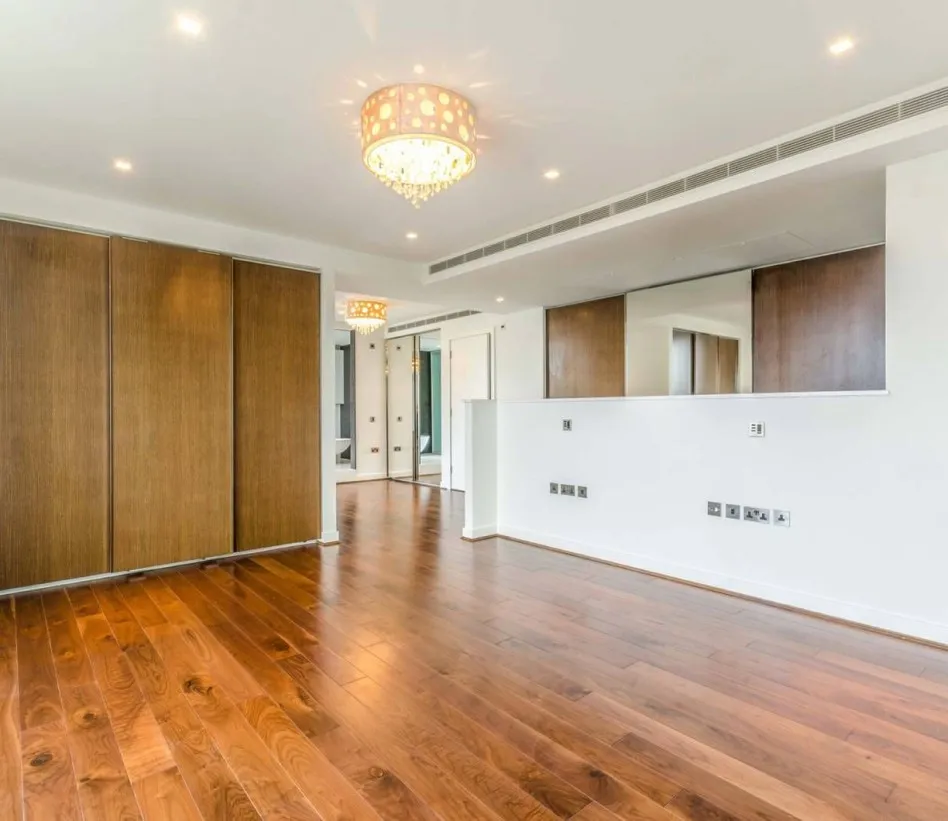
- Solid hardwood flooring
- Handmade tiles
- Bespoke cabinetry
- High-end metal finishes
In luxury architecture, the quality of materials becomes a key feature of the home itself.
Space and Layout
Modern homes typically favour open-plan living. Spaces flow naturally into one another, creating a sense of openness and flexibility.
Luxury homes focus more on generosity of space. They often include:
- Higher ceilings
- Larger bedrooms
- Dedicated home offices
- Dressing rooms
- Utility rooms
- Entertainment spaces
- Wellness and fitness areas
In many luxury homes, space itself becomes part of the luxury experience.
Cost Considerations
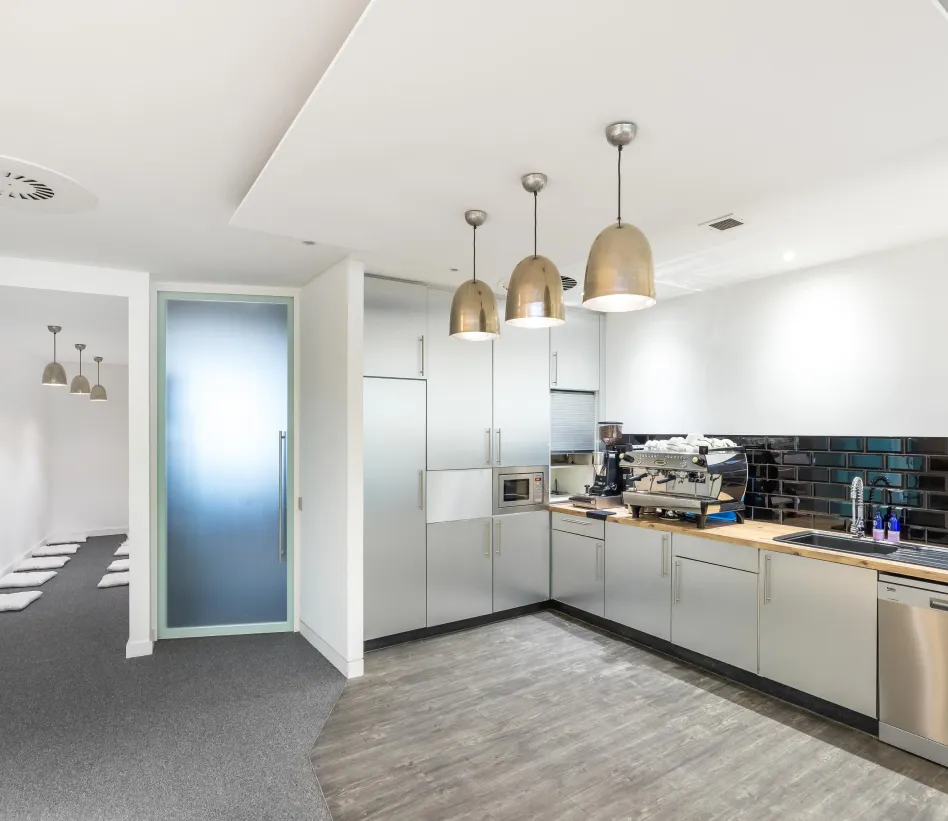
Modern architecture can often be achieved on a moderate budget because the style itself does not require expensive materials.
However, factors such as structural engineering, extensive glazing, and site conditions can still increase costs.
Luxury homes generally involve a larger investment because of:
- Premium materials
- Bespoke craftsmanship
- Specialist trades
- Advanced building systems
- Larger floor areas
As the level of customisation increases, costs typically rise as well. For those considering a full home refurbishment, it is worth planning the scope carefully from the outset — a well-managed home refurbishment can significantly enhance both the quality and value of an existing property.
Personalisation
Modern homes usually follow a recognisable design language based on the principles of the style. Luxury homes are often designed around the specific lifestyle of the owner. Every detail can be tailored, resulting in a highly individual property that reflects personal tastes and requirements.
Energy Efficiency and Running Costs
Modern homes are frequently designed with energy efficiency in mind. Features such as high-performance insulation, airtight construction, and carefully positioned glazing help reduce long-term energy consumption.
Luxury homes often include advanced technologies such as:
- Smart heating systems
- Renewable energy solutions
- High-performance glazing
- Automated climate control
However, larger homes naturally require more energy to operate, making early planning essential.
Can a Home Be Both Modern and Luxury?
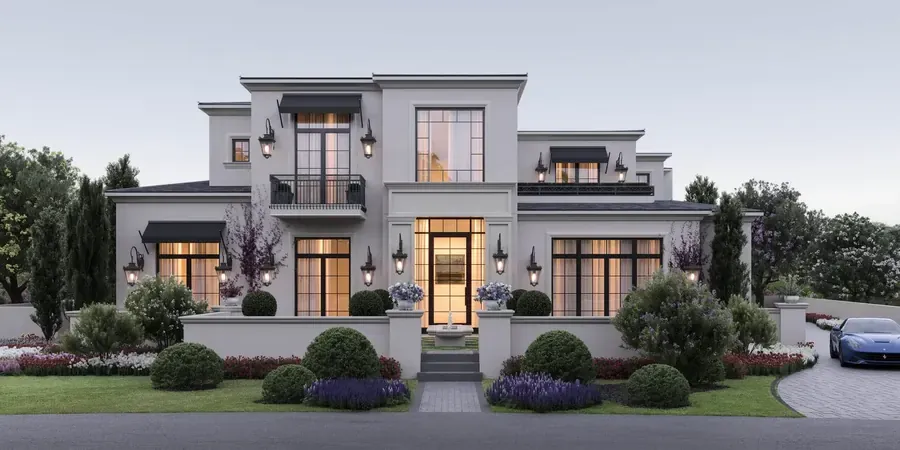
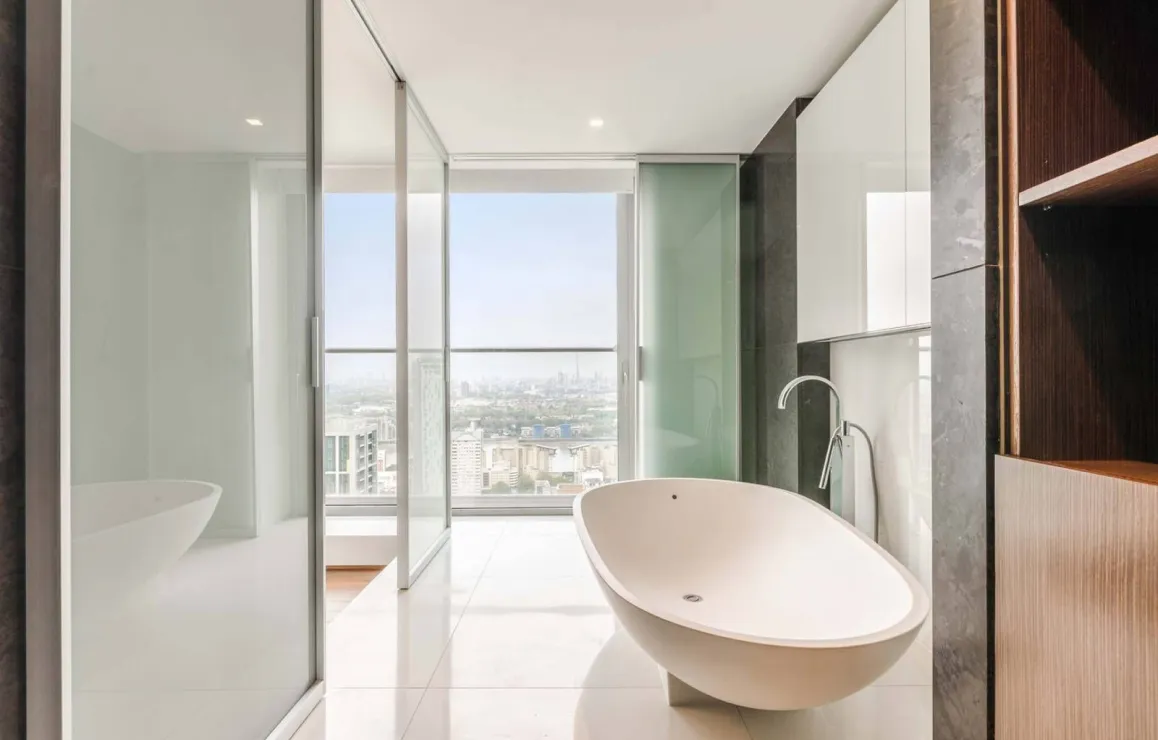
Absolutely, Many of today's most desirable residential properties combine modern architectural design with luxury construction standards.
A modern luxury home might feature:
- Floor-to-ceiling glazing
- Open-plan living spaces
- Minimalist design
- Bespoke kitchens
- Premium natural materials
- Smart home technology
- Exceptional craftsmanship
This combination allows homeowners to enjoy the simplicity of modern design alongside the comfort and quality associated with luxury living.
Which Option Is Right for You?
Choosing between modern and luxury architecture starts with two simple questions:
What Style Do You Prefer?
If you are drawn to clean lines, minimalist interiors, and open spaces, modern architecture may be the right fit.
If you prefer traditional character, decorative detailing, or timeless architectural features, another style may better suit your tastes.
What Is Your Budget?
Luxury is largely determined by the level of investment you are willing to make. A well-designed modern home can be beautiful without requiring a luxury budget. At the same time, almost any architectural style can achieve luxury status when built with exceptional materials, craftsmanship, and attention to detail.
For UK homeowners, it is also important to consider local planning requirements. Modern designs may face additional scrutiny in conservation areas or near listed buildings, so consulting an architect early in the process can save time and avoid costly revisions.
Final Thoughts
The debate between modern and luxury home architecture is often based on a simple misunderstanding. When planning a new home, focus first on the architectural style that reflects how you want to live.
Then determine the level of quality, craftsmanship, and investment that fits your budget. By approaching the decision this way, you'll be able to create a home that is both practical and deeply personal.