
For owners, buyers and developers of pubs, clubs and other unusual buildings
Sui Generis Use Class: Meaning and Examples

Sviatoslav JerdetchiiCEO & Founder of Craftex. Updated , 6 min read
The short answer
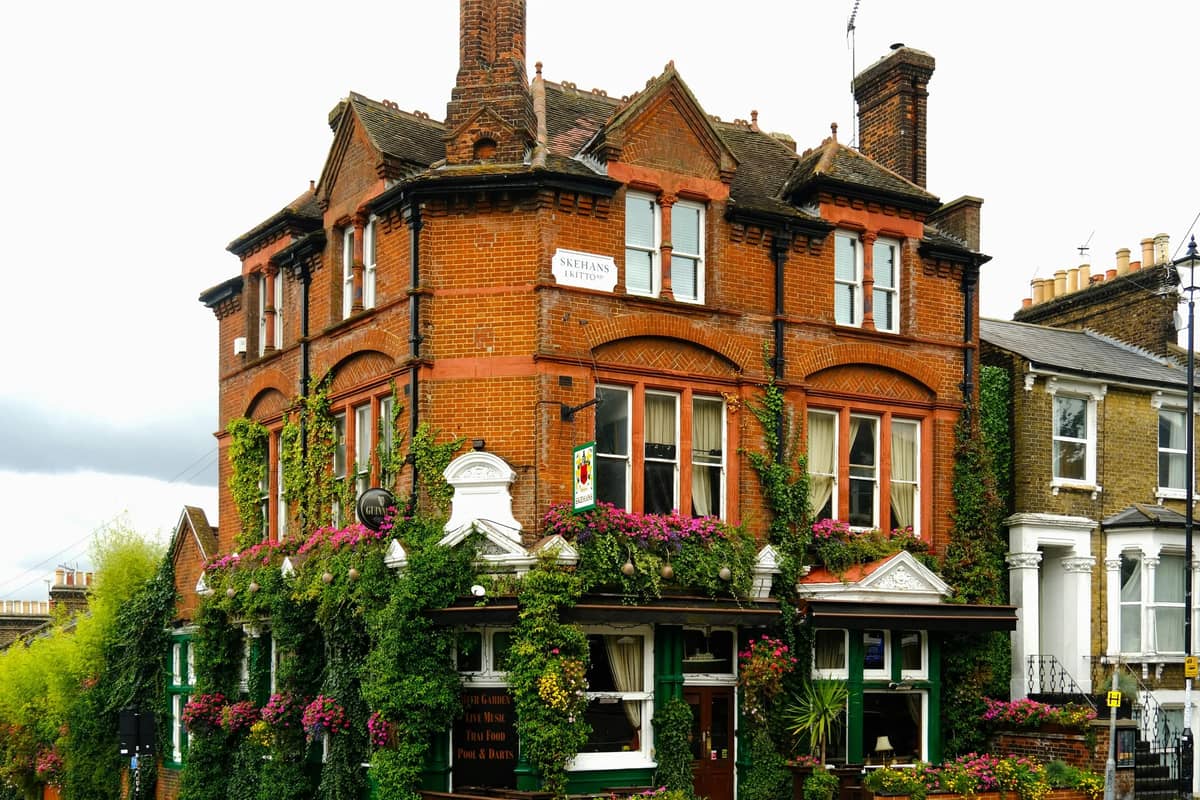
Sui generis is Latin for 'of its own kind'. In planning, a sui generis use is one that fits no class in the Use Classes Order, such as a pub, nightclub, theatre or large HMO, so a change to or from it usually needs planning permission.
- Article 3(6) of the Use Classes Order 1987 names the uses no class includes, from theatres and launderettes to pubs, cinemas and hot food takeaways.
- Other uses become sui generis because they fall outside the limits of a class, such as an HMO with more than six residents.
- The 'same class' exemption never applies, so a material change of use to or from sui generis needs permission unless a permitted development right covers it.
- A full application for other changes of use of a building or land costs £610 in council fees from 1 April 2026.
Sui generis is Latin for "of its own kind". In planning, a sui generis use fits no class in the Use Classes Order. Pubs, nightclubs, theatres and large HMOs are all sui generis. So a change to or from them usually needs planning permission.
This guide covers England. It sets out the legal list of sui generis uses, large HMOs, the routes in and out, and the evidence and fees councils expect.
We take sui generis buildings from the route check to finished homes, priced by our own build team. The wider process is on our planning for a change of use page. Own a pub, club or hostel? Get a free route check.
Sui generis meaning in planning
The Planning Portal puts it simply. "Sui generis" is a Latin term that, in planning, "means 'in a class of its own'".
Most buildings in England sit in a use class. The Use Classes Order 1987, as amended from 1 September 2020, groups similar uses together. Class E covers shops, offices, cafes and gyms. C3 covers homes, and C4 covers small HMOs.
A use becomes sui generis in one of two ways:
- Named in the Order. Article 3(6) lists uses that no class includes, such as theatres, casinos and pubs.
- Outside a class's limits. The use is close to a class but breaks its limit, such as an HMO with more than six residents.
Why it matters is in the Town and Country Planning Act 1990. Section 55(2)(f) says a change to another purpose "of the same class" is not development. A sui generis use has no class, so that exemption never helps it.
Several common town-centre uses left the old classes in 2020. For every class in force, see use classes explained. Our guide to Class E use class explained shows which ones stayed in.
List of sui generis uses in the Use Classes Order
Article 3(6) of the Use Classes Order opens with one line: "No class specified in Schedule 1 or 2 includes use". It then lists the uses below, by letter. We read the list on legislation.gov.uk on 4 November 2026.
| Art 3(6) | Sui generis use | Class before 1 Sep 2020 |
|---|---|---|
| (a) | Theatre | Already sui generis |
| (b) | Amusement arcade or centre, or funfair | Already sui generis |
| (c) | Launderette | Already sui generis |
| (d) | Sale of fuel for motor vehicles | Already sui generis |
| (e) | Sale or display for sale of motor vehicles | Already sui generis |
| (f) | Taxi business or motor vehicle hire | Already sui generis |
| (g) | Scrapyard, minerals yard or vehicle breaking yard | Already sui generis |
| (h) | Work registrable under the Alkali Act 1906 | Already sui generis |
| (i) | Hostel | Already sui generis |
| (j) | Waste disposal installation for hazardous waste | Already sui generis |
| (k) | Retail warehouse club | Already sui generis |
| (l) | Nightclub | Already sui generis |
| (m) | Casino | Already sui generis |
| (n) | Betting office | Already sui generis |
| (o) | Pay day loan shop | Already sui generis |
| (p) | Pub, wine bar or drinking establishment | A4 |
| (q) | Drinking establishment with expanded food provision | A4 |
| (r) | Hot food takeaway, food mostly eaten off the premises | A5 |
| (s) | Venue for live music performance | Newly defined in 2020 |
| (t) | Cinema | D2(a) |
| (u) | Concert hall | D2(b) |
| (v) | Bingo hall | D2(c) |
| (x) | Dance hall | D2(d) |
The letters follow the printed Order. There is no (w), and in Wales letter (k) is a betting office. The previous classes come from the Planning Portal's use classes page.
The list is not the whole story. Any use outside the limits of every class is sui generis too. The council decides that on the facts of each building.
If you are buying, confirm the lawful use before you exchange. The certificates and evidence that prove it are set out further down.
Large HMOs: sui generis above six residents
An HMO with up to six residents sits in Class C4. Above six residents, it falls outside that limit and becomes a sui generis HMO.
This matters for the route. Class L permitted development only switches a house between C3 and C4. It never reaches a large HMO, so a seven-bed HMO needs a planning application.
Planning is only one of the consents. A mandatory HMO licence applies from five people in two or more households, whatever the use class.
We do not repeat the detail here. Our guide to HMO planning permission covers the London policy tests. What is an HMO explains the legal definition. For the build itself, see our HMO conversion service.
We used Craftex for a shop-to-flat conversion in Chelsea — turning an old retail space into two rental units. Access wasn’t the easiest, but the guys handled it well, no drama. Quote was clear, no hidden extras, and they actually stuck to it, which is rare. Finish came out solid, exactly what we needed for rentals. Joe (PM) kept things ticking and communication was always on point. All in all, smooth job — would use them again for sure.👍
Changing to or from sui generis
Section 55(1) of the 1990 Act makes "any material change in the use" of a building development. Section 57(1) says development needs planning permission.
So the rule is plain. If a change to or from sui generis is material, you need permission. The only way round it is a permitted development right in Part 3 of the General Permitted Development Order 2015 (GPDO).
| Class | From | To | Conditions |
|---|---|---|---|
| A | Casino, betting office, pay day loan shop or hot food takeaway | Class E | Set out in the class |
| AA | Pub | Pub with expanded food, and back | Pubs only |
| G | Betting office or pay day loan shop | Mixed use | Set out in the class |
| H | Mixed use | Betting office or pay day loan shop | Set out in the class |
| N | Amusement arcade or centre, or casino | Homes (C3) | 150 m² cap; prior approval |
Class N prior approval covers transport, contamination, flooding and natural light. Design is added when building works are part of it. Listed buildings are excluded.
Outside these rights, a change of use usually needs a full application. That includes a pub, nightclub, theatre or large HMO becoming homes. Our guide to pub to residential conversion walks through one of the hardest cases.
Moving into sui generis usually needs permission too. A Class E shop that becomes a hot food takeaway leaves its class. So does a family house that becomes a seven-person HMO.
Evidence and fees for a sui generis change of use
Planning policy protects some sui generis uses, such as pubs. For those, the council looks for evidence before it accepts the loss of the old use.
For pubs, national policy sets a floor. NPPF policy HC6 asks for marketing for the existing use for at least 12 months, where commercial viability is an issue. The London Plan asks for at least 24 months of marketing as a pub.
At Allitsen Road in St John's Wood, the building was a derelict former members' club. A sui generis club has no automatic route to residential. The council expects sustained evidence the old use is dead.
Our plan builds that proof from the club's own trading and vacancy records, plus a properly run marketing campaign. Our Allitsen Road feasibility study planned 12 to 18 months of it into the deal.
You may also need to prove the lawful use itself. A section 191 certificate confirms an existing use is lawful. In England, enforcement action is generally time-barred ten years after the breach. A section 192 certificate confirms a proposed use would be lawful.
| Application | Council fee |
|---|---|
| Other changes of use of a building or land | £610 |
| Change of use to homes, fewer than 10 | £610 per home |
| Change of use to homes, between 10 and 50 | £659 per home |
| Lawful development certificate, existing use | Same as the full application fee |
| Lawful development certificate, proposed use | Half the full application fee |
A rise to £732 for other changes of use is proposed from 8 December 2026. The draft regulations had not been made on 4 November 2026. Councils aim to decide a non-major application in 8 weeks, unless you agree longer in writing.
Own or buying a pub, club or hostel? Send us the address and get a free route check. You get the route, the evidence period and the build cost before you exchange or apply.
Evidence for a sui generis change of use
- The lawful use today, with dates and records
- Trading accounts and vacancy records for the old use
- A marketing campaign for the existing use, run properly
- The council's local plan policy on that use
- A design that answers noise, fire and amenity questions


