Biodiversity Net Gain for Small Sites: What Changed in August 2026
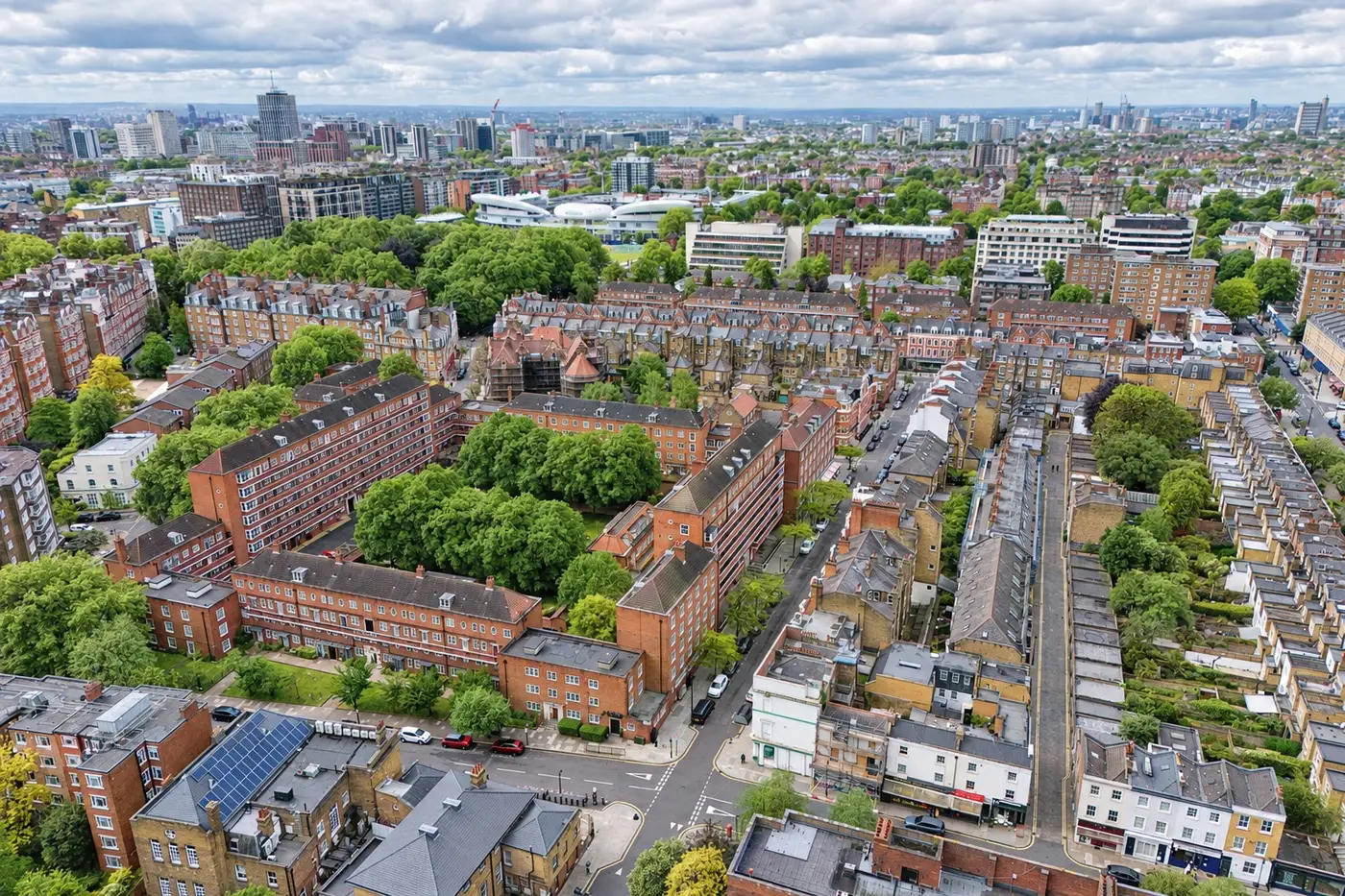
Since 6 August 2026, planning applications for development on a site of 0.2 hectares or less are exempt from mandatory biodiversity net gain (BNG), as long as the work doesn't affect an onsite priority habitat. For most London infill schemes that is a big change: a 10% gain, a metric, a gain plan and possibly 30 years of habitat management used to apply to almost every new-build application.
Larger small sites are still in scope, and so is anything that touches a priority habitat. Here is where the line now sits, and what to do on each side of it.
BNG in one paragraph
Under the Environment Act 2021, every planning permission in England is treated as granted subject to a biodiversity gain condition: the development must deliver at least a 10% increase in biodiversity value against the site's habitat before development. It is measured in biodiversity units with the statutory biodiversity metric. Before work starts, a Biodiversity Gain Plan must be approved by the planning authority. It became mandatory for major development on 12 February 2024 and for small (minor) development on 2 April 2024.
What changed on 6 August 2026
The Biodiversity Gain (Town and Country Planning) (Amendments and Transitional Provisions) (England) Regulations 2026 changed the exemptions and the order in which small schemes can meet the gain. For applications made on or after 6 August 2026:
| Change | What it means |
|---|---|
| New exemption: sites of 0.2 ha or less | No BNG if the red-line site area is 0.2 ha (2,000 m²) or less and no onsite priority habitat is affected |
| New exemption: temporary development | No BNG where the whole development is temporary and permitted for 5 years or less, with no priority habitat affected |
| Self-build and custom build exemption removed | New self-build applications are no longer exempt for that reason (they may still fall under the 0.2 ha exemption) |
| Simpler hierarchy for non-major development | Onsite enhancement, onsite creation and registered offsite gains are treated as equal options; statutory credits remain the last resort |
The transition matters if you are varying an older permission. The new 0.2 ha and temporary exemptions don't apply to a section 73 permission where the original permission was applied for or granted before 6 August 2026.
Which small sites are still in scope
Run your scheme through these questions in order:
- Is it a householder application or permitted development? Householder applications and development granted by a development order (including permitted development and prior approvals) are exempt.
- Was the application made before the relevant start date? Minor development applied for before 2 April 2024 is exempt.
- Is the red-line site 0.2 ha or less, applied for on or after 6 August 2026? Exempt, unless an onsite priority habitat is affected.
- Does the development affect less than 25 m² of onsite habitat and less than 5 m of hedgerow or other linear habitat? Exempt under the de minimis rule, unless a priority habitat is affected.
- None of the above? BNG applies.
So the schemes that remain caught are mainly minor developments on sites over 0.2 ha (for housing, up to 9 homes on a site of up to 1 ha), non-residential schemes on larger plots, and any scheme that touches a priority habitat, whatever its size.
The government also consulted in 2026 on a further targeted exemption for some brownfield residential development. It hadn't been decided when we wrote this. Check the position on the day you apply.
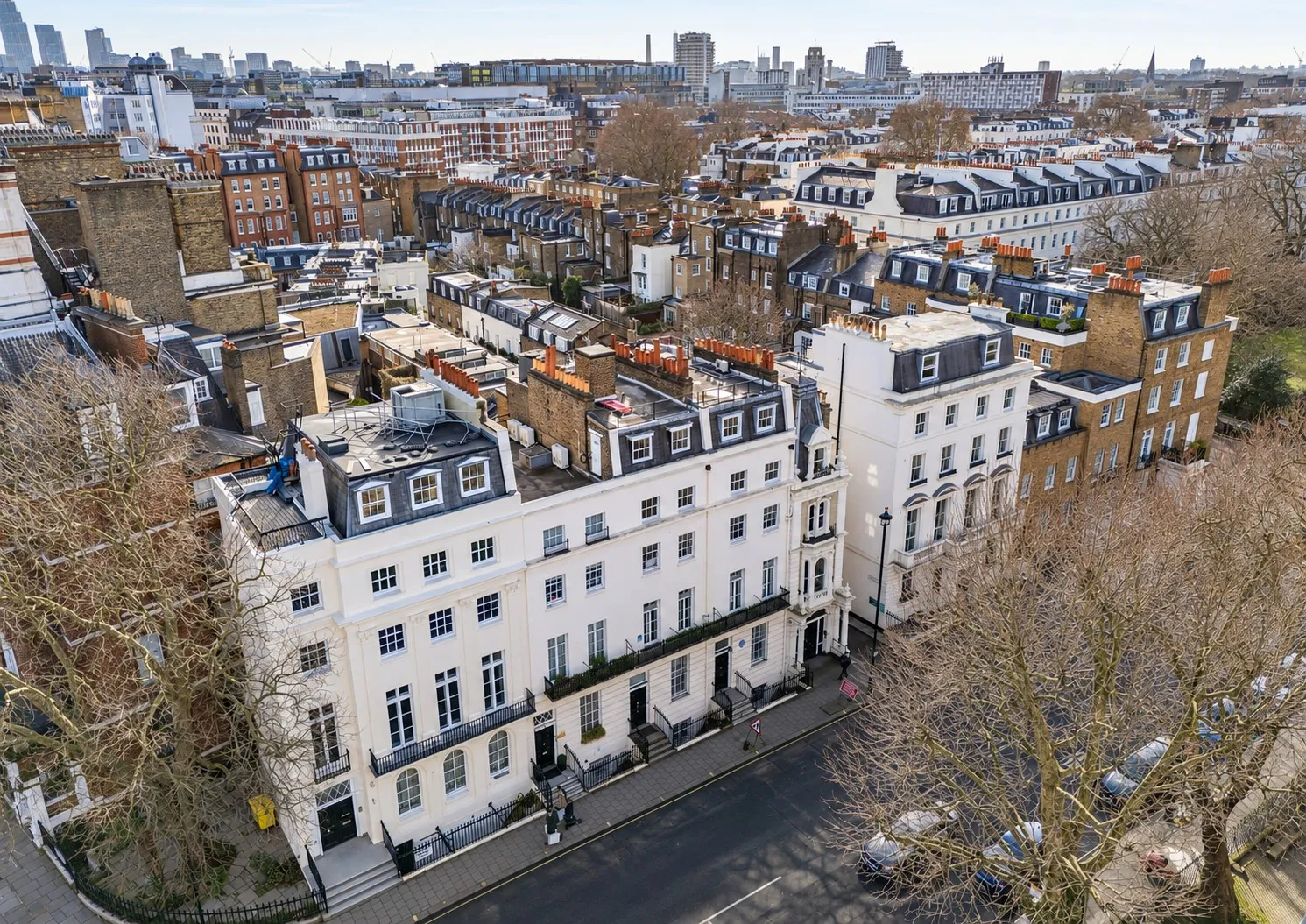
What "small development" means for BNG
Minor development is anything that isn't major:
| Type | Small (minor) development |
|---|---|
| Residential | 1 to 9 dwellings on a site of 1 ha or less; or, if the number of homes isn't known, a site under 0.5 ha |
| Commercial | New floorspace under 1,000 m², or a site under 1 ha |
Minerals and waste development are excluded from the definition.
The small sites metric
If your scheme is a small development and BNG applies, you can use the small sites metric (SSM) instead of the full statutory metric. It is simpler:
- you don't need to assess habitat condition, because the values are fixed
- you don't need an ecologist for BNG: the project manager, a landscape architect or someone else familiar with the site can complete it
- it has no offsite section, but you can still buy offsite units and submit the SSM with your gain plan
You can't use the SSM where there are priority habitats (with some hedgerow and arable margin exceptions), protected sites or European protected species. Then the full metric applies, completed by a competent person such as an ecologist.
How to meet the 10% on a small site
For non-major schemes applied for on or after 6 August 2026, you can choose freely between three routes, or combine them:
- Enhance existing habitat on site: improve the condition of what's already there
- Create new habitat on site: planting, green roofs and other landscape that the metric recognises
- Buy registered offsite units from a gain site on the national register
Statutory biodiversity credits sold by the government remain the last resort, priced to be more expensive than the offsite market.
If you rely on a significant onsite enhancement, it must be secured for at least 30 years, by condition, Section 106 obligation or conservation covenant. That's a long-term cost to price and a covenant future buyers will inherit. Our guide to CIL and Section 106 explains how obligations sit in the appraisal.
London: BNG isn't the only green requirement
The exemption removes a national process. It doesn't remove local policy on greening and trees.
- The London Plan's Urban Greening Factor applies to major development, with target scores for residential and commercial schemes. Some boroughs apply their own greening scores to smaller schemes.
- Trees, conservation areas and Tree Preservation Orders are separate consents.
- National guidance says local plans shouldn't apply BNG to development the statutory framework exempts. Local greening and biodiversity policies can still apply in their own right.
So a 0.18 ha infill scheme in a London borough may skip the metric and the gain plan, and still need a landscape plan, green roofs or tree replacement to get consent.
Practical steps for owners and developers
- Measure the red line early. The location plan's red line is the starting point for the 0.2 ha test. It must show the genuine application site, including access and works areas, so check whether yours really is under 2,000 m².
- Ask about priority habitat at the first survey. One affected priority habitat turns off the 0.2 ha, de minimis and temporary exemptions.
- Think before you assemble. Combining plots can push a scheme over 0.2 ha and bring BNG back. If you're joining sites, test both versions. Our site assembly team builds this into the land strategy.
- Don't clear the site first. Degrading habitat before a baseline survey doesn't escape BNG; the rules allow the earlier habitat to be used as the baseline.
- Design greening into the scheme, not on top of it. Green roofs, planting and boundary treatments do more for both BNG and London greening policy when they're designed with the structure and drainage.
- Price the 30-year commitment if you use significant onsite enhancement, and decide early whether offsite units are cheaper overall.
A site appraisal should answer the BNG question before anyone pays for drawings. It sits alongside height, access, daylight, CIL and the planning route in our development feasibility and site appraisal. When we assessed Allitsen Road in St John's Wood, the site constraints and streetscape relationships were mapped before four design options were developed, so the choice between options was made on real constraints.
If the plan is to build upwards rather than outwards, a roof extension adds homes without touching ground habitat. See our airspace and upward extension service. For the planning application itself, our planning consultancy team confirms the exemption position on the forms.
Not sure whether BNG applies to your site? Send us the address. We'll check the site area, the planning route and the constraints.