CIL and Section 106 Explained: What London Developers Pay and When
The Community Infrastructure Levy (CIL) is a fixed charge per square metre of new floorspace, set by the council in a published charging schedule and not open to negotiation. A Section 106 agreement is a negotiated legal agreement that makes one particular scheme acceptable in planning terms: affordable housing, a new crossing, a carbon offset payment.
In London most residential schemes pay both, and two CILs at that: the Mayor's and the borough's. Get either wrong in the appraisal and the land price is wrong too.
CIL and Section 106 side by side
| Community Infrastructure Levy | Section 106 agreement | |
|---|---|---|
| What it is | A tax on new floorspace | A planning obligation (deed) under section 106 of the Town and Country Planning Act 1990 |
| Who sets it | Charging schedule adopted by the borough; the Mayor of London sets a second, London-wide levy | Negotiated with the planning authority for each scheme |
| How it's worked out | Rate per m² × net additional chargeable floorspace, indexed each year | Whatever is needed to make the scheme acceptable, within the legal tests |
| Negotiable? | No. Only the statutory reliefs and exemptions apply | Yes, within policy and viability |
| Typical content | Money for area-wide infrastructure | Affordable housing, site-specific transport and public realm works, carbon offset, employment and training, monitoring |
| When it's paid | From commencement, in one sum or by instalments if the council has a policy | At triggers written into the deed (often on commencement or on occupying a set share of homes) |
| Who is liable | The landowner, unless someone assumes liability before commencement | Everyone with an interest in the land that signs; it runs with the land |
How CIL is calculated
The basic sum is simple: rate × chargeable area × index. The detail is in the chargeable area.
- Gross internal area of the new floorspace is the starting point.
- In-use buildings that will be demolished or kept can be deducted, if part of the building has been in lawful use for a continuous period of at least six months in the three years before the development is first permitted. A long-empty building usually loses this deduction, which can add a large sum to a conversion or redevelopment.
- Rates differ by use and zone. Boroughs often charge different rates for residential, office, retail and other uses, and for different parts of the borough. Check the adopted schedule for the exact address, not the borough average.
- Indexation lifts the rates each year from the date the charging schedule took effect.
In London the borough levy is added to the Mayoral CIL, which funds strategic transport (it has helped pay for the Elizabeth line). In central London and the Isle of Dogs, office, retail and hotel schemes can also face a separate Crossrail contribution under Section 106, which is offset against the Mayoral CIL.
Who doesn't pay
Most new development that creates 100 m² or more of net additional floorspace, or any new dwelling, is potentially liable. The main exemptions and reliefs are:
- development under 100 m² that doesn't create a new dwelling
- residential annexes and extensions, and self-build homes (claim before you start)
- social housing that meets the relief criteria
- charitable development that meets the relief criteria
Every exemption and relief has to be claimed and granted before commencement. If you then start work without serving a Commencement Notice, the council must impose a surcharge.
The CIL process, step by step
- Liability Notice: issued by the council with or soon after the planning permission.
- Assumption of Liability: whoever will pay (usually the developer) takes on liability. Do this before starting, or you lose payment windows and instalments.
- Claim reliefs or exemptions: before commencement.
- Commencement Notice: served before work starts on site, including demolition that forms part of the permitted development.
- Demand Notice: the council sets out what's due and when.
- Payment: in full or by instalments under the council's instalment policy. Late payment brings interest and surcharges.
The expensive CIL mistakes tend to sit in steps 2, 3 and 4, missed in the rush to start on site.
How Section 106 works
A Section 106 obligation must meet three legal tests (set out in regulation 122 of the CIL Regulations 2010). It must be:
- necessary to make the development acceptable in planning terms
- directly related to the development
- fairly and reasonably related in scale and kind to the development
Within those limits, a London Section 106 typically covers:
- Affordable housing: how many homes, which tenures, where they sit, and the review mechanisms
- Highways and transport: often alongside a separate highways agreement for works on the public road
- Carbon offset payments where a scheme falls short of on-site zero-carbon targets
- Employment, training and local procurement
- Car-free or permit-free restrictions for new residents
- Biodiversity net gain commitments where off-site gains or significant on-site habitat must be secured for 30 years
- Monitoring fees to cover the council's work checking compliance
National policy now asks councils to use planning conditions instead of obligations where a condition can do the job, and to use national model obligations where they exist.
Affordable housing: the London rules in October 2026
Nationally, affordable housing is sought on major development: 10 or more homes, or a site of 0.5 hectares or more. Below that, schemes outside designated rural areas aren't normally asked for it.
In London, the London Plan sets a threshold approach:
| Route | Affordable housing (by habitable room) | Viability evidence | Reviews |
|---|---|---|---|
| Fast Track | At least 35% (50% on public land and some industrial land), with the required tenure mix | Not needed | Early-stage review if the scheme isn't implemented in time |
| Viability Tested | Below the threshold | Full viability assessment | Early, mid and late-stage reviews |
| Time-limited route (2026 emergency measures) | At least 20% social and affordable, at least 60% of it Social Rent, on private land (35% on public land and some industrial land) | Not needed | Early-stage review if a first-floor slab (or agreed milestone) isn't reached within 30 months; long stop at 5 years |
The time-limited route is open to applications validated by 31 March 2028 and also allows existing, stalled consents to be varied onto its terms. It doesn't apply to Green Belt or Grey Belt sites, student accommodation or large-scale shared living. Build to rent schemes have their own tenure test under it. We cover those in our build to rent London guide.
Changing a Section 106 later
Obligations can be changed by agreement at any time through a deed of variation. After five years, you can also apply formally to modify or discharge an obligation that no longer serves a useful purpose, with a right of appeal. Under the London time-limited route, a deed of variation plus a section 73 application can move an existing consent onto the 20% terms without a full viability assessment.
London CIL relief: what's proposed
As part of the October 2025 emergency package for London housebuilding, the government is introducing a temporary relief from borough CIL. The draft regulations were consulted on from 16 July to 18 September 2026. As proposed:
- relief applies to residential floorspace (not student housing or co-living) in schemes delivering at least 20% social and affordable housing
- relief starts at 50% of borough CIL at 20% affordable, rising in a straight line to 80% at 35%
- only schemes with a whole-scheme borough CIL liability over £500,000 qualify
- works must commence before 31 March 2030, with a default expectation of completion within five years, or the relief is clawed back
- evidence is a summary residual appraisal showing the scheme is currently unviable, backed by a statutory declaration
The relief covers borough CIL only. Until the regulations are made, treat it as a proposal in any appraisal that depends on it.
Building both into the appraisal
From the builder's side of the table, CIL and Section 106 behave differently in cash flow, and the appraisal should show that:
- CIL arrives early. It is due from commencement, before most sales or lettings income. Instalment policies help, but only if liability was assumed and the Commencement Notice served.
- Section 106 money arrives at triggers. Many payments fall due at occupation of a set percentage of homes. Affordable housing has its own delivery timing.
- Floorspace moves. Every m² added during design adds CIL. Every m² of in-use floorspace you can evidence takes it away.
- Other charges sit on top. The Building Safety Levy applies to major residential schemes from 1 October 2026 (see our guide to Gateway 2 and the second staircase rule), and biodiversity net gain can need its own obligation (see biodiversity net gain for small sites).
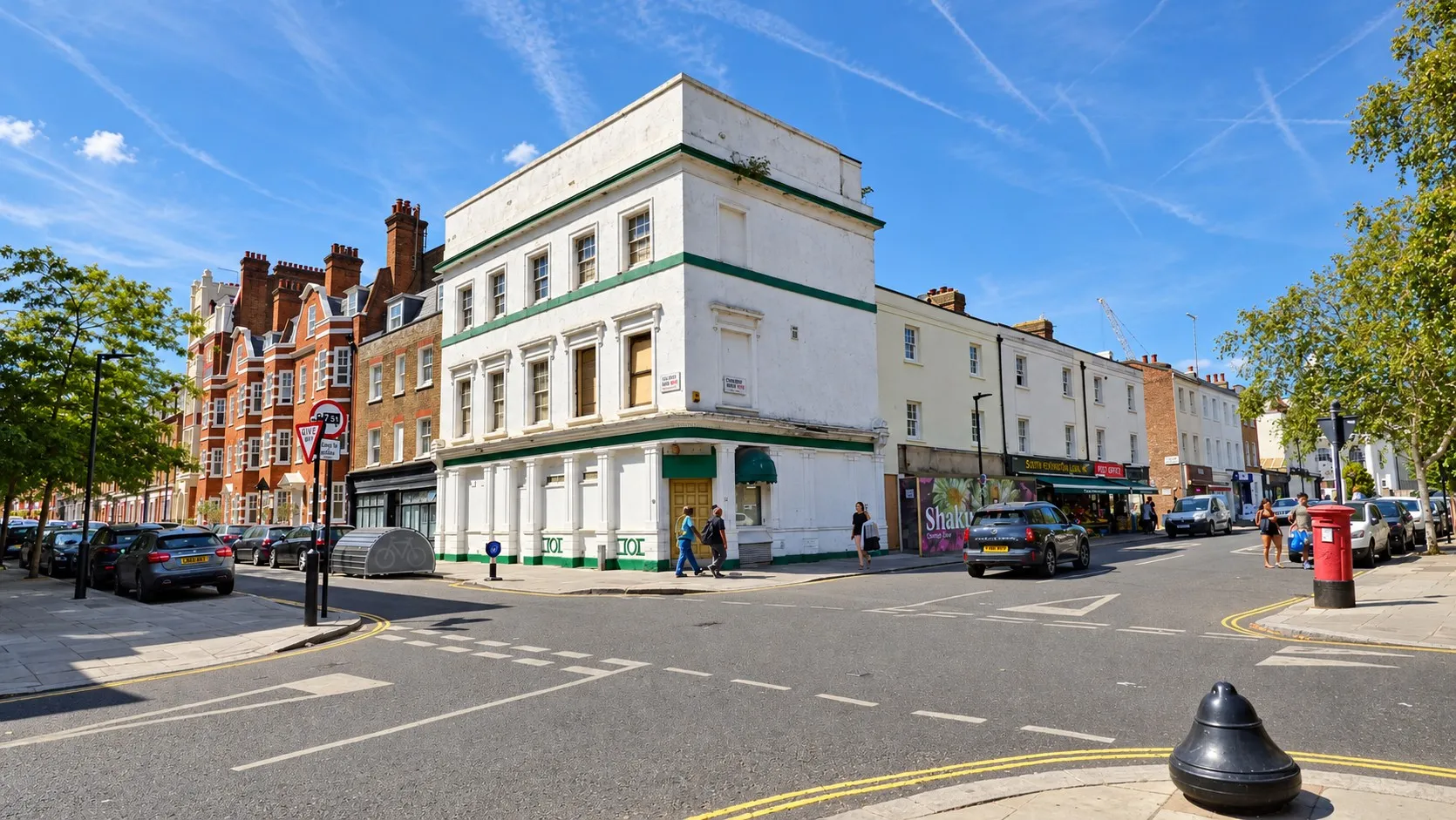
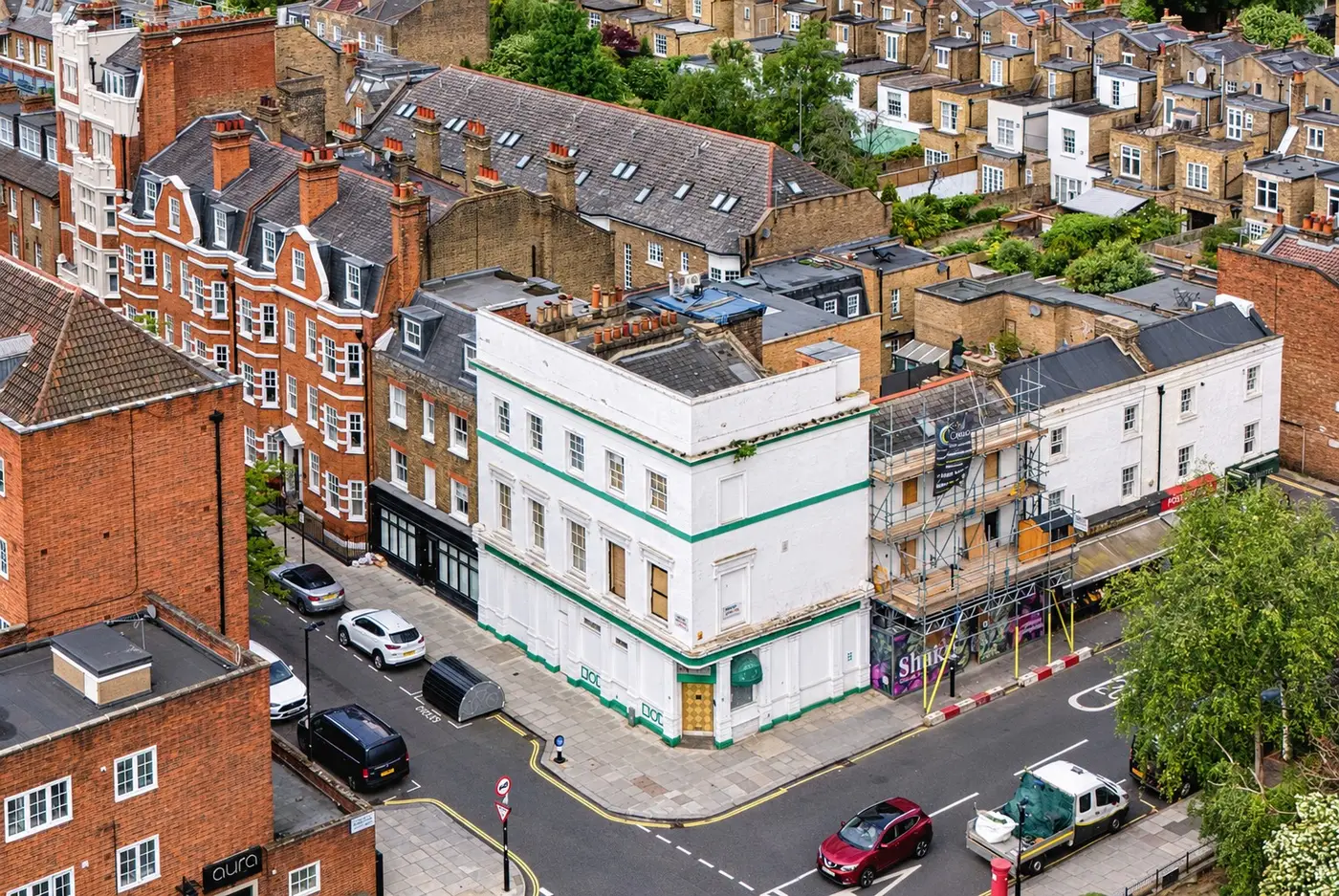
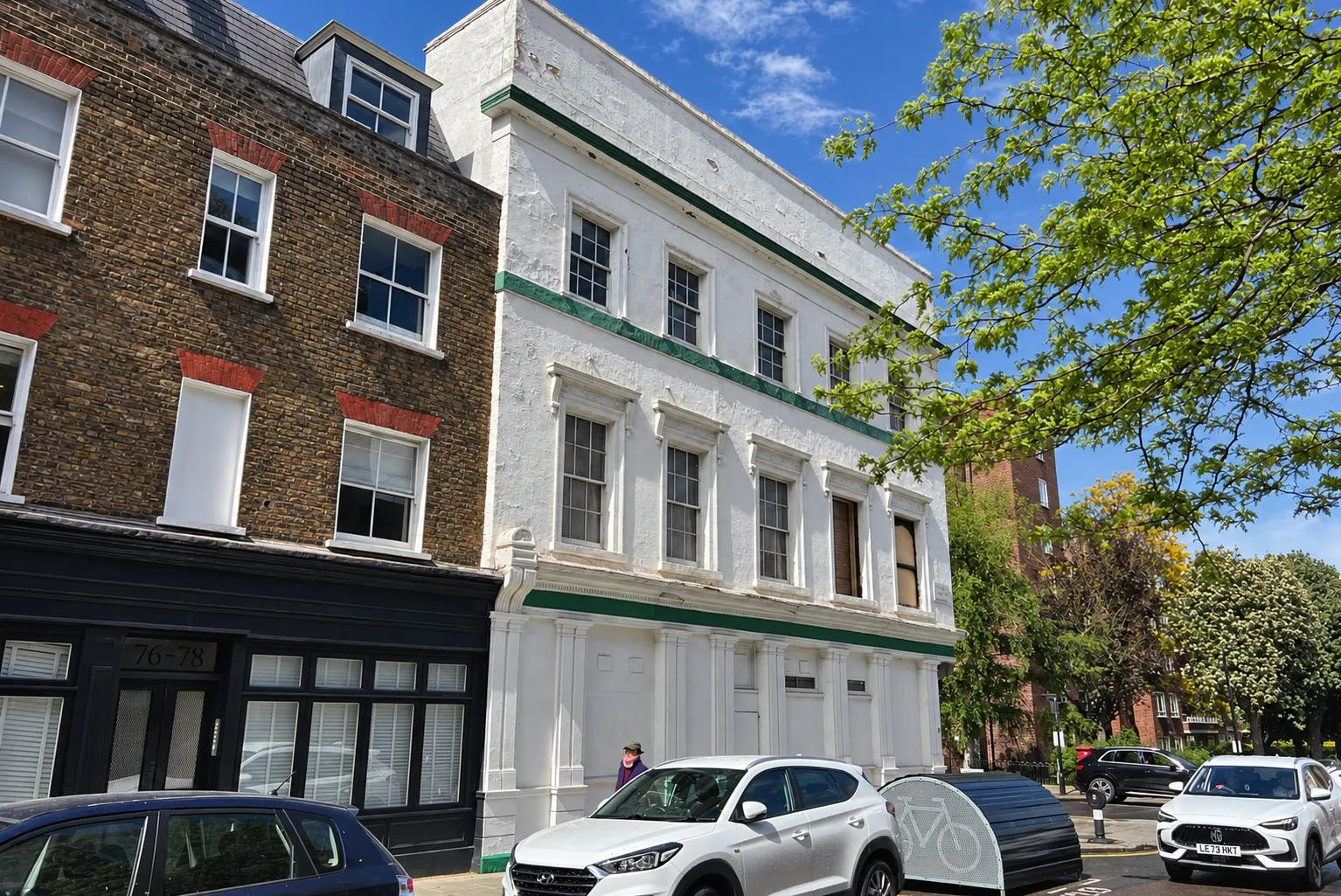
When we tested 74 Allitsen Road, a vacant former pub and members' club in the St John's Wood Conservation Area, the four design options ranged from four apartments to seven. A difference of that size moves the CIL figure, the affordable housing position and the land value together. That's why a development feasibility and site appraisal carries CIL and Section 106 as lines from the first option, not as an allowance at the end. Read the Allitsen Road feasibility and design study.
Our land value uplift and planning gain team works through the same numbers when a landowner wants to know what consent would add to a site, and our planning consultancy team negotiates the obligations on the application.
Want to know what a site could carry after CIL and Section 106? Send us the address.