Capital Allowances on Commercial Property: What Investors and Owners Can Claim in 2026
Capital allowances let the owner of a commercial building deduct part of what it spent on the building, and on the systems inside it, from its taxable profits. In 2026 a company buying new plant and machinery can deduct 100% in the first year through full expensing, the structure itself earns a 3% allowance every year, and an investor buying a building can often claim on the fixtures already in it, provided the paperwork is done at the purchase.
Most owners claim far less than they could. The usual reasons are that nobody identified the qualifying items in the build cost, or that the fixtures value was not agreed with the seller in time. Both are fixable if they are planned before the money is spent.
The four claims, side by side
| Allowance | What it covers | Rate in 2026 | Who can claim |
|---|---|---|---|
| Full expensing | New, unused main pool plant and machinery bought from 1 April 2023 | 100% in year one | Companies only |
| 50% first-year allowance | New, unused special rate assets, such as integral features | 50% in year one, balance at 6% a year | Companies only |
| 40% first-year allowance | New main pool plant and machinery bought from 1 January 2026 | 40% in year one | All businesses, including individuals, partnerships and lessors |
| Annual Investment Allowance | Most plant and machinery, new or second-hand, up to £1 million a year | 100% | All businesses |
| Writing-down allowances | Whatever is left in the pools | 14% main pool (18% before April 2026), 6% special rate pool | All businesses |
| Structures and Buildings Allowance | The cost of constructing, renovating or converting a non-residential building | 3% a year for 33⅓ years | All businesses using the building for a qualifying activity |
Two changes from Budget 2025 matter here. The new 40% first-year allowance, for expenditure from 1 January 2026, opens accelerated relief to unincorporated landlords and leasing businesses, which full expensing never reached. And the main pool writing-down allowance fell from 18% to 14% from 1 April 2026 for companies and 6 April 2026 for income tax payers, so anything that misses the first-year allowances is now relieved more slowly. Cars, second-hand assets and overseas leasing are excluded from the 40% allowance.
What counts as plant in a building
A building is not plant, but much of what goes into it is. HMRC lists these "integral features", which go into the special rate pool:
- electrical systems, including lighting
- hot and cold water systems (but not toilet and kitchen facilities themselves)
- space and water heating systems
- air-conditioning and air-cooling systems
- lifts, escalators and moving walkways
- external solar shading
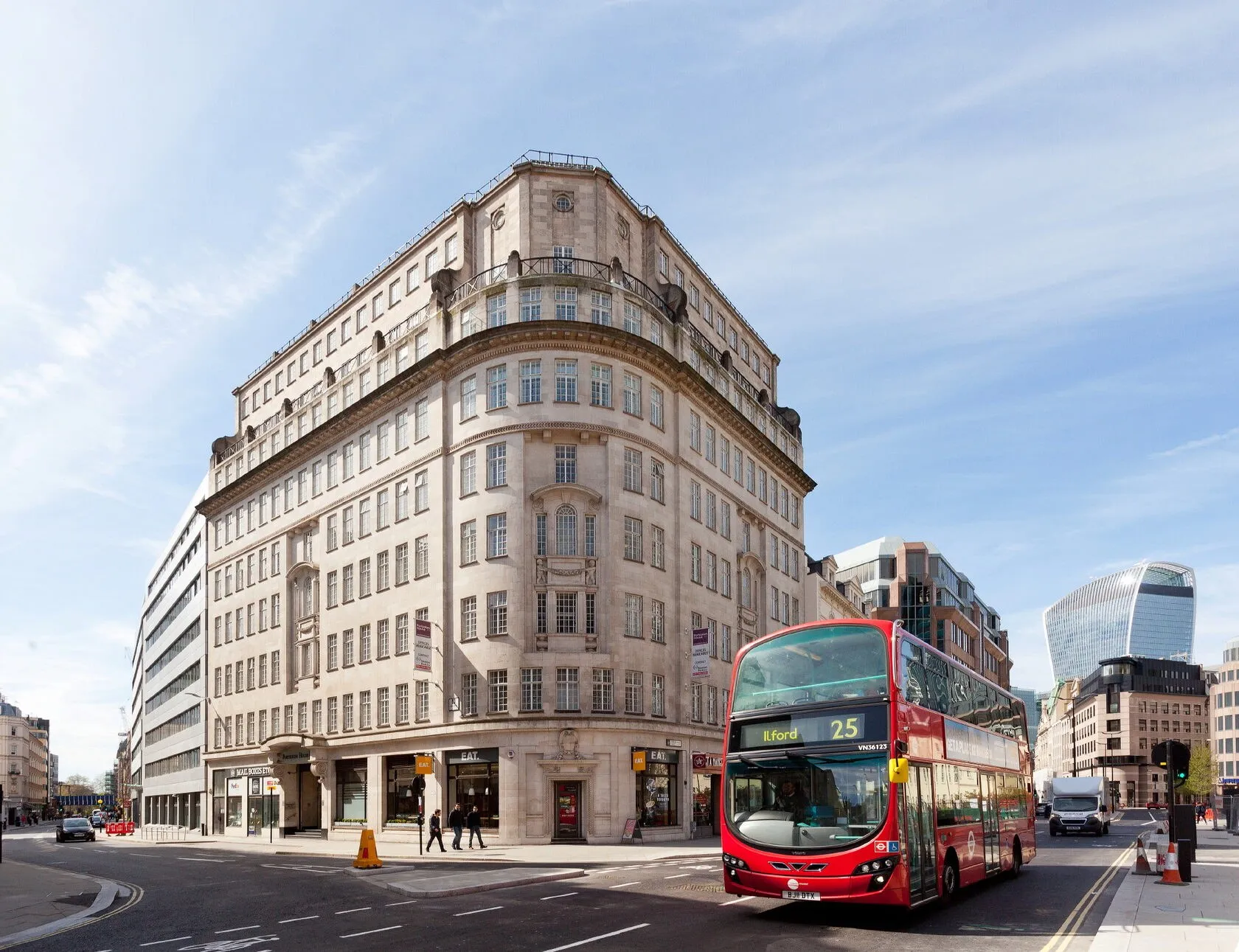
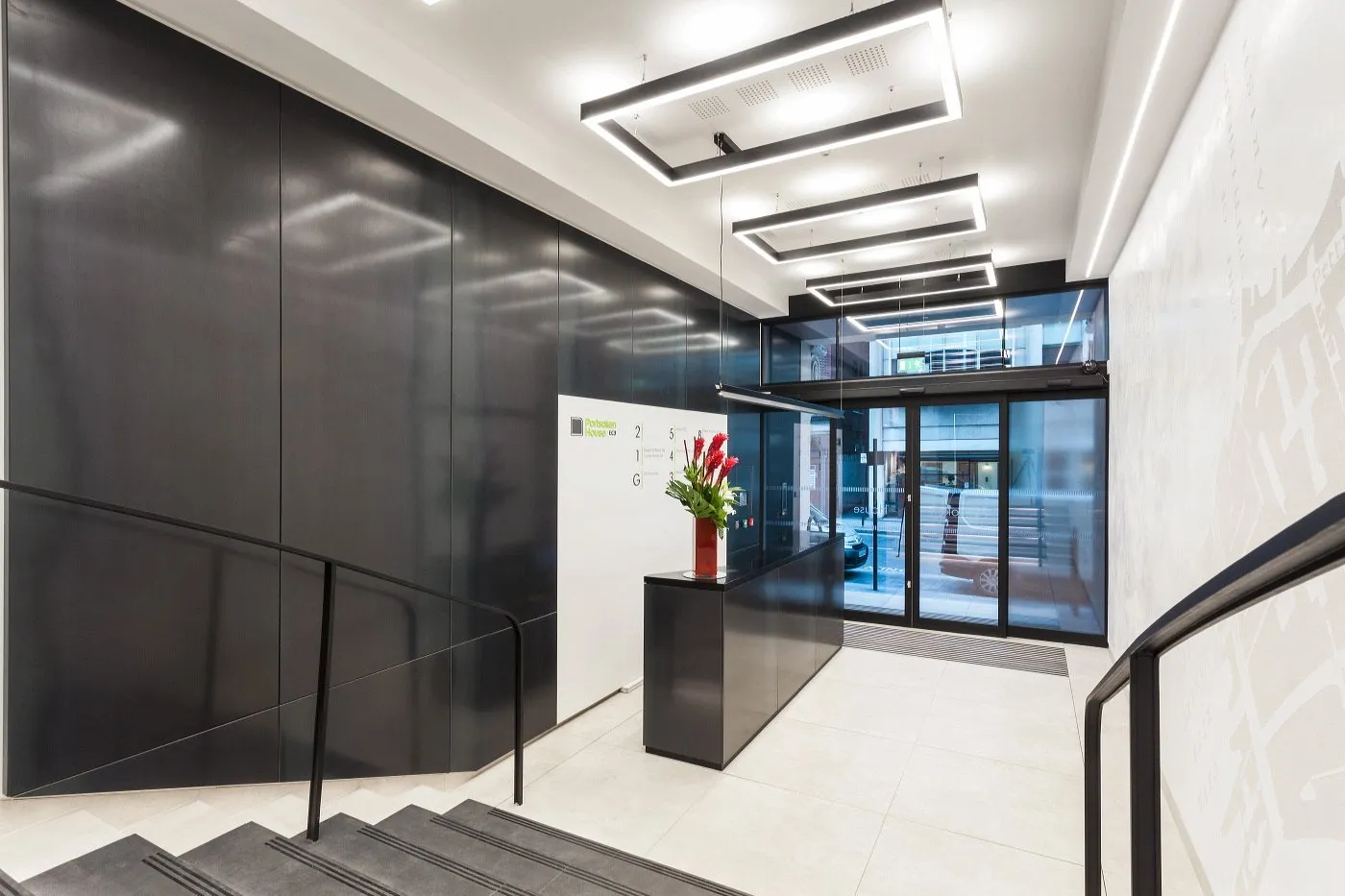
Other fixtures, such as sanitaryware, kitchen equipment, fire and security systems, data cabling and some specialist fittings, can be main pool plant. On a typical office or industrial fit-out a large share of the contract is mechanical, electrical and fitted equipment. At Portsoken House in Aldgate, for example, our £2.2M job included a full mechanical and electrical package alongside new ceilings, kitchens and WCs. A capital allowances specialist would split a contract like that into its plant, integral features and structure lines.
The residential exclusion
Plant used in a dwelling-house let as part of a property business gets no plant and machinery allowances. HMRC's own example is solar panels in the garden of a let house. In a block of flats each flat is a dwelling-house, but common parts such as the lift, the corridor lighting and the entry system are not, so they can qualify. The Structures and Buildings Allowance excludes residences altogether.
The Structures and Buildings Allowance
The SBA gives 3% a year of the qualifying cost of building, renovating or converting a non-residential structure, spread over 33⅓ years. It started for construction contracts signed on or after 29 October 2018. The rate was 2% before April 2020.
It covers construction works, site preparation, design fees, renovation, repair, conversion and fitting out. It does not cover:
- the land
- dwellings and their grounds
- anything that qualifies as plant or an integral feature
- planning, legal and financing costs, landscaping and land reclamation
- costs paid for by a grant or contribution
You need an allowance statement that identifies the building, the date of the first construction contract, the qualifying cost and the date non-residential use began. Keep it with the title deeds: a buyer can only take over the remaining allowance with a copy.
There is a catch on sale. The total SBA you claimed is added to your sale proceeds for capital gains, so it raises the gain. The relief is real, but some of it comes back when you sell.
In designated Freeport and Investment Zone tax sites the SBA is 10% a year for 10 years. We cover those in our guide to Freeport and Investment Zone property tax reliefs.
Buying a building: the fixtures rules
When you buy a second-hand commercial building, part of the price is for fixtures that may qualify as plant. Under the current rules, two conditions have to be met before a buyer can claim:
- The pooling requirement. The seller, if it was entitled to claim, must have pooled its expenditure on those fixtures before the sale.
- The fixed value requirement. Buyer and seller must fix the value of the fixtures within two years of the sale, normally with a joint election under section 198 of the Capital Allowances Act 2001, or start formal proceedings to have it fixed.
Miss either and the buyer can lose the allowances for good. HMRC recommends recording the agreed value, warranties and elections in the sale contract. The value agreed is a negotiation: a higher figure helps the buyer and costs the seller, so raise it in the heads of terms, not after exchange.
Worked example
Illustrative example only, round numbers, not a real project.
A trading company refurbishes its own office and spends £1,000,000. A capital allowances review splits the cost:
| Element | Cost | Treatment | First-year deduction |
|---|---|---|---|
| Main pool plant (sanitaryware, kitchen equipment, data cabling) | £150,000 | Full expensing at 100% | £150,000 |
| Integral features (electrics, lighting, heating, air-conditioning) | £400,000 | 50% first-year allowance | £200,000 |
| Structure, finishes, partitions | £400,000 | SBA at 3% | £12,000 |
| Fees not attributable to qualifying items | £50,000 | No relief | £0 |
At the 25% main rate of corporation tax, the £362,000 of first-year deductions is worth £90,500 of tax, and the balance of the integral features keeps earning 6% a year. Had the whole £1,000,000 been treated as "building", the company would have claimed £30,000 of SBA in year one.
Who qualifies, and the pitfalls
| Situation | What to claim | Common pitfall |
|---|---|---|
| Company fitting out or refurbishing offices, retail, industrial | Full expensing, 50% FYA, SBA | Lump-sum contract with no breakdown, so items cannot be identified |
| Individual or partnership landlord of commercial property | AIA, 40% FYA from 1 January 2026, SBA | Assuming full expensing applies; it is companies only |
| Landlord of residential flats | Common parts only | Claiming on plant inside the flats |
| Buyer of a second-hand commercial building | Fixtures, plus the seller's remaining SBA | No section 198 election within two years; no SBA allowance statement |
| Developer building to sell | Usually nothing: the costs are trading stock | Claiming allowances on stock; see trading versus investment |
| Building in a Freeport or Investment Zone tax site | Enhanced SBA, 100% enhanced capital allowances | Construction started before the site was designated |
Plan the claim before the build
The cheapest time to secure capital allowances is during design and procurement. A contract priced unit by unit, with mechanical, electrical and fitted items shown separately, makes the claim straightforward. A single lump sum makes it an expensive reconstruction exercise afterwards.
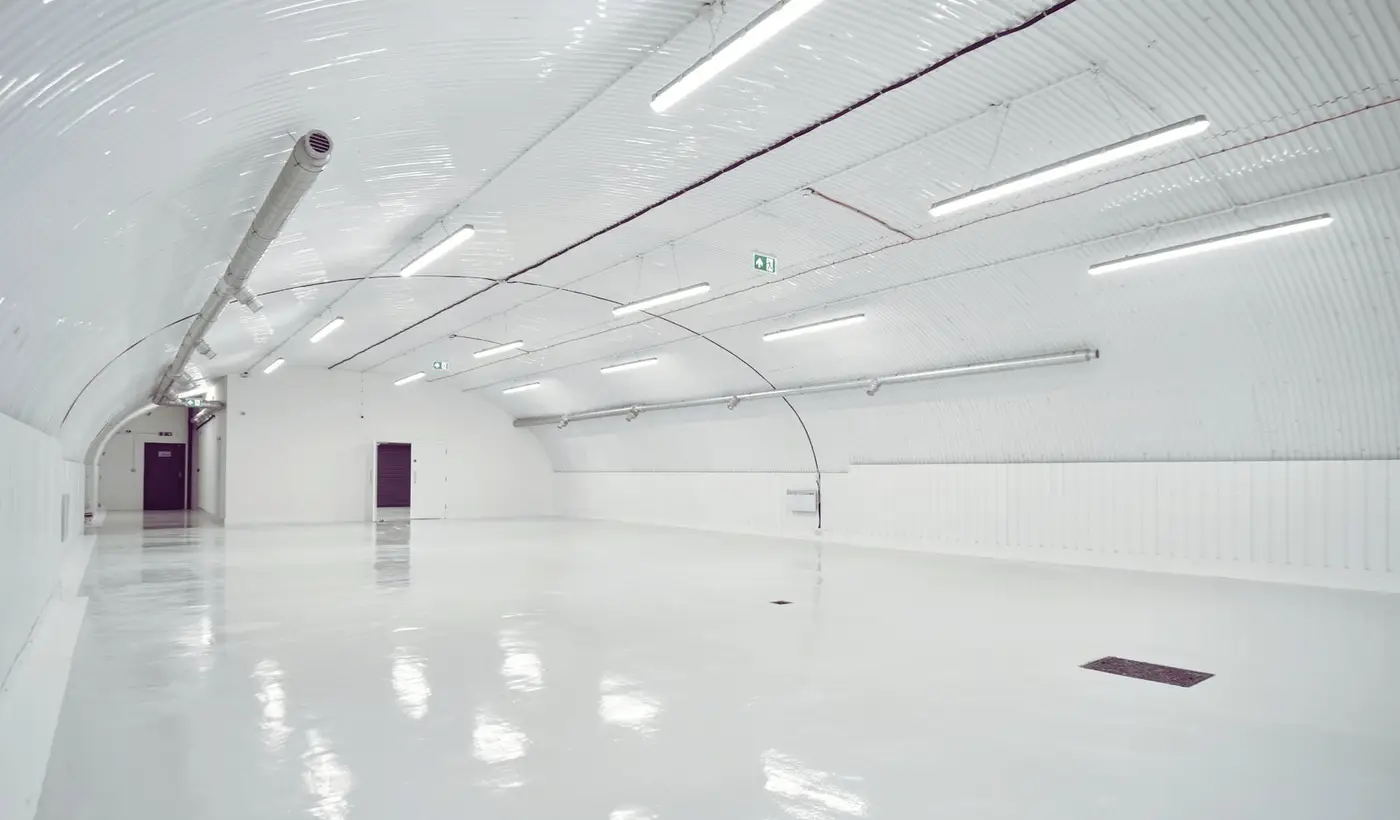
Our commercial fit-out and refurbishment and MEP design and installation teams price and record work in a way your tax adviser can use. On the Drake's railway-arch warehouse, a £200K, 500 sq m conversion delivered in 8 weeks, the design and the build sat with one team, which is what keeps the cost records clean. For owners weighing a bigger repositioning, see our guide to value-add commercial refurbishment, or download the free Investor & Developer guide.