
For investors, developers and occupiers
Freeport and Investment Zone Tax Reliefs for Property: Which Still Apply in 2026

Sviatoslav JerdetchiiCEO & Founder of Craftex. Updated , 6 min read
The short answer
Yes, Freeport and Investment Zone tax reliefs still apply in 2026, but only inside the mapped tax sites and only for commercial use. English Freeport sites close on 30 September 2031; Investment Zones and Scottish and Welsh Freeports on 30 September 2034.
- Stamp duty: full relief on qualifying commercial purchases in English tax sites.
- Buildings: a 10% a year allowance for 10 years, not 3% a year.
- Plant: a 100% first-year allowance for companies with a trade in the site.
- Business rates and employer National Insurance relief for new activity.
Yes, Freeport and Investment Zone tax reliefs still apply in 2026. In a designated tax site, a commercial buyer in England can pay no stamp duty. A new building earns a 10% a year allowance instead of 3%.
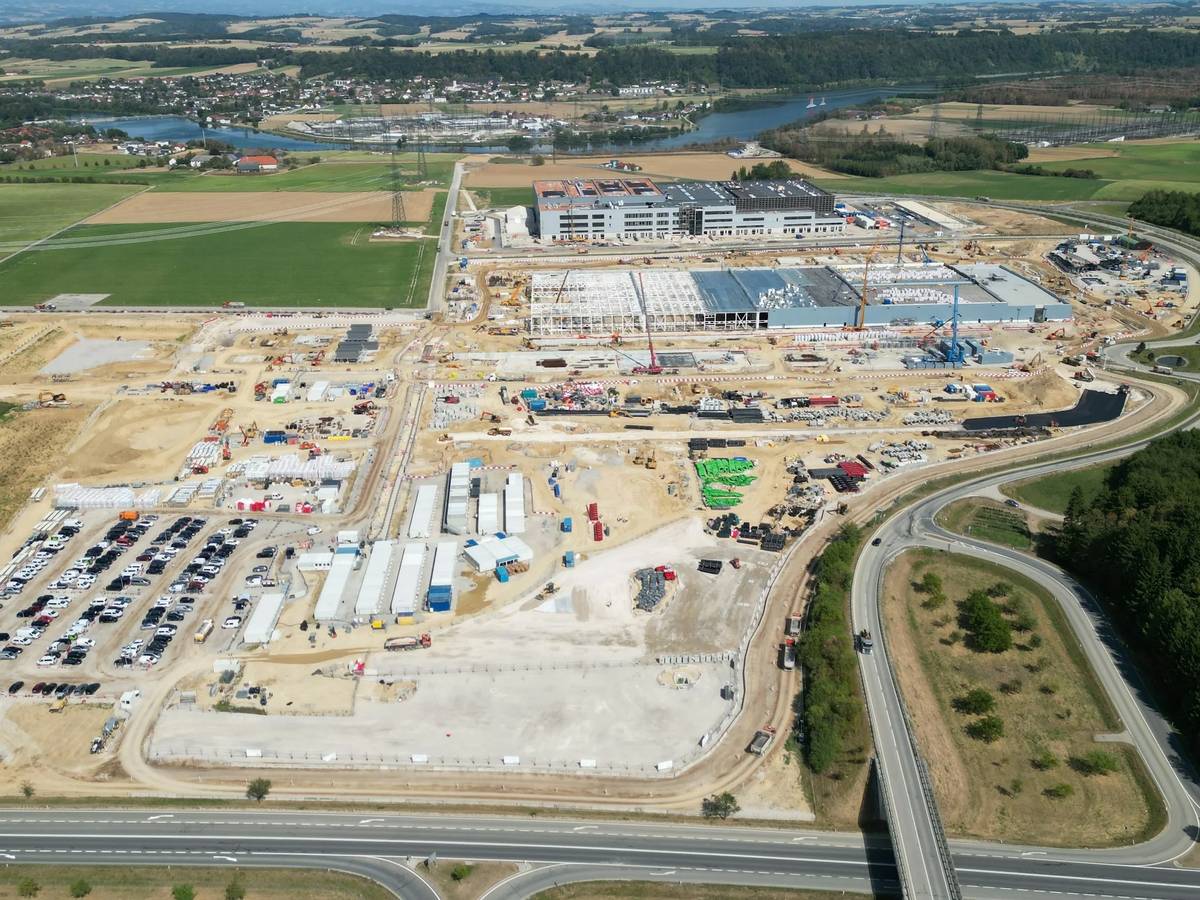
The window closes on 30 September 2031 for English Freeport tax sites. Scottish and Welsh Freeports and every Investment Zone run to 30 September 2034. Building in one? Our warehouse and logistics hub construction team plans the programme back from that date; discuss your project with us.
Every relief, site and date below was checked on GOV.UK on 30 October 2026, after the Budget of 28 October, which changed none of them. This is general information, not tax advice. Check the plot on the official tax site map and speak to a qualified tax adviser before you rely on any relief.
Freeport and Investment Zone tax reliefs still open in 2026
The reliefs apply only inside mapped tax sites, not across a whole Freeport area. They are for commercial use only.
| Relief | What it gives | Deadline |
|---|---|---|
| Stamp duty relief (England) | Full relief on land or buildings bought for qualifying commercial use | Purchases by 30 September 2031 (Freeports) or 30 September 2034 (Investment Zones) |
| Enhanced Structures and Buildings Allowance | 10% a year for 10 years, instead of 3% a year | Spend and use by 30 September 2031 (English Freeports) or 30 September 2034 (others) |
| Enhanced capital allowance | 100% first-year allowance on new plant used mainly in the site | Same dates; companies with a trade only |
| Employer National Insurance relief | 0% employer rate on earnings up to £25,000 a year, for 36 months per new employee | Employment starting by the same dates |
| Business rates relief (England) | Full relief for five years for new and expanding businesses | First claimed by 30 September 2031 (Freeports) or 30 September 2034 (Investment Zones) |
The windows were first five years long. They were extended to ten, which is why the English Freeport dates now run to 2031 and the rest to 2034.
Where the tax sites are
Each Freeport and Investment Zone has up to three tax sites. A building a few hundred metres outside the mapped boundary gets none of the reliefs.
- Freeports in England: East Midlands, Freeport East, Humber, Liverpool City Region, Plymouth and South Devon, Solent, Teesside and Thames. Thames is the one nearest London.
- Green Freeports in Scotland: Forth, and Inverness and Cromarty Firth.
- Freeports in Wales: Anglesey and Celtic.
- Investment Zones with tax sites: North East, West Midlands, Liverpool City Region and East Midlands in England. In Scotland: Glasgow City Region and North East of Scotland. In Wales: Flintshire and Wrexham.
South Yorkshire, West Yorkshire, Greater Manchester, Tees Valley, and Cardiff and Newport also host Investment Zones. They have no tax sites, so they offer no tax reliefs.
Stamp duty relief in a tax site
The relief covers English tax sites only. Scotland and Wales use their own land taxes, with their own reliefs.
- The site must be designated first. A purchase before designation does not qualify.
- Qualifying use. A commercial trade or profession, development or redevelopment for resale, or letting to a paying tenant. Homes, residential development and undeveloped land held for resale are out.
- How much. Full relief where at least 90% of the price is for qualifying land in the site. Partial relief from 10% to 90%; nothing below 10%.
- The control period. For three years the property must be in qualifying use, or you must be taking reasonable steps to use it or sell it. Otherwise the relief is withdrawn and the tax is due within 30 days.
The relief is claimed on the land transaction return, filed within 14 days of completion. In Wales, Land Transaction Tax relief applies in the Celtic and Anglesey Freeports, initially until 30 September 2029.
The 10% Structures and Buildings Allowance
The standard allowance is 3% a year, so a building takes 33⅓ years to be relieved. In a tax site it is 10% a year for 10 years. The conditions:
- Construction must start after the site was designated. It starts at the first contract or the first work on site, whichever is earlier.
- The building must be in qualifying non-residential use by the deadline.
- The spending must be incurred by the deadline.
- You need an allowance statement naming the cost as special tax site expenditure.
The ordinary rules still apply: no land, no dwellings, and plant is claimed separately. Our guide to capital allowances on commercial property covers them.
Plant, business rates and National Insurance
These three reliefs reward the business that runs the building, not only the owner.
- 100% capital allowance. New, unused plant used mainly in the site. HMRC's guidance requires a trading activity and a company within Corporation Tax.
- Business rates. Full relief for five years for a business new to the site or expanding into it. The council applies it.
- Employer National Insurance. A 0% employer rate on earnings up to £25,000 a year for each new employee. It lasts 36 months, if the employee spends at least 60% of working time in the site.
For a company, the plant relief adds less than it sounds. Outside a tax site, full expensing already gives 100% on main-rate plant. The gain is on integral features, such as lighting and heating, which otherwise get a 50% first-year allowance.
Worked example
Illustrative only, with round numbers, not a real site.
A company buys a £3,000,000 plot and builds a £10,000,000 warehouse for its own logistics trade. Of the build cost, £8,000,000 qualifies for the building allowance. £1,000,000 is main-rate plant and £1,000,000 integral features.
| Item | Outside a tax site | Inside a tax site |
|---|---|---|
| Stamp duty on the land | £139,500 | £0 |
| Building allowance, first full year | £240,000 (3%) | £800,000 (10%) |
| Main-rate plant | £1,000,000 (full expensing) | £1,000,000 (100%) |
| Integral features | £500,000 (50%) | £1,000,000 (100%) |
| Year-one deductions | £1,740,000 | £2,800,000 |
Inside the site the company saves £139,500 of stamp duty for good. It also deducts £1,060,000 more in year one, worth £265,000 at the 25% main rate. The building is fully relieved in 10 years, not 33⅓.
Fuse Energy hired Craftex on the fit-out and installation of our engineering and research centre, which included electrical, heating, lighting, plumbing, and ventilation upgrades. They delivered everything to a high standard and were proactive throughout — even working weekends to help speed up the programme, despite not being contracted to. They managed last-minute changes very well, communication was clear and consistent, and the team was professional from start to finish. We’d happily recommend Craftex to anyone needing a reliable construction partner.
Who qualifies, and the pitfalls
| Situation | Reliefs available | Common pitfall |
|---|---|---|
| Logistics or industrial developer building in a tax site | Stamp duty, 10% building allowance | First contract signed before designation |
| Investor buying a let commercial building in a tax site | Stamp duty relief | Building just outside the mapped boundary |
| Residential developer in a Freeport area | None | Assuming the whole Freeport area qualifies |
| Land buyer holding land for resale | No stamp duty relief | Undeveloped stock for resale is excluded |
| Occupier fitting out a new unit | 100% allowance, rates and National Insurance relief | Plant not used mainly in the site |
| Development finishing after the deadline | Reduced or no enhanced allowance | Programme slipping past 30 September 2031 |
The deadline is a programme risk
These reliefs are generous, and they end. The 10% building allowance depends on the building being in use by the sunset date. So programme certainty is part of the tax case.
Our warehouse and logistics hub construction team works under one contract from site to keys. About 60% of the labour on site is our own, and the programme is built back from the date the building must be working.
We also build distribution centres and storage and refit existing units through warehouse fit-out and refurbishment. Our article on why investors are targeting logistics hubs sets out the demand behind them.
Refitting an office or other commercial building instead? See our commercial refurbishment service. Looking at a plot in a tax site? Send us the site and discuss your project with us.


