For private investors in property development
Property Investment Scams in the UK: Why Investors Buy Schemes That Can Never Be Built

Sviatoslav JerdetchiiCEO & Founder of Craftex. Updated , 5 min read
The short answer
Property investment scams in the UK often sell schemes that can never be built. Many other schemes are honest but fail because the real build cost was never checked.
- The FCA warns that land for development, hotels, student accommodation, storage and parking are common unregulated scam products.
- Land investments are not regulated by the FCA, so there is usually no Ombudsman or FSCS cover.
- Check the firm on the FCA Firm Checker and Warning List, and the land at HM Land Registry and the council.
- Ask who costed the build. A scheme with no builder's cost plan is a guess.
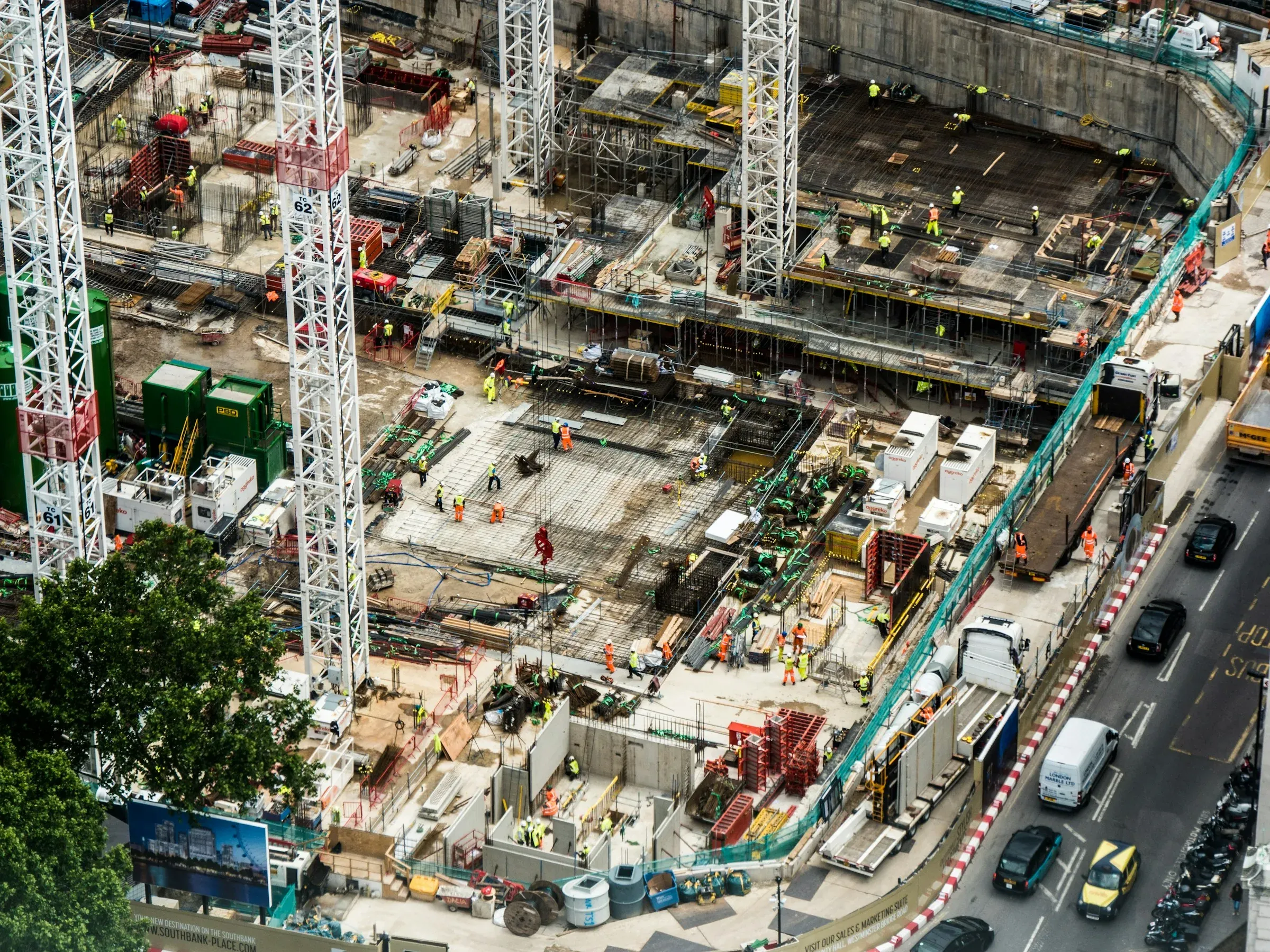
Every year, people put savings into property developments that never get built. Some were scams from the start. Many were not. They were real schemes, run by people who believed in them, with numbers that never worked.
Nothing here is financial advice: we are not investment advisers. We are builders and developers in London. We cost and build schemes for a living, and we see why so many of them were never going to work. This guide covers property investment scams in the UK, and the honest failures that look the same from the outside.
Been offered a development investment? Get the build cost checked and we will tell you what the scheme should really cost to build.
Property investment scams in the UK: two different problems
Investors lose money on developments in two ways. It helps to keep them apart.
- Fraud. The scheme was never meant to be built, or the money was never meant to reach it. The aim is your money.
- Schemes that could never work. Nobody set out to cheat. But the land was overpriced, the build cost was a guess, or planning was never realistic. The scheme fails, and investors lose money anyway.
From where you stand, both look the same: a glossy brochure, a confident promoter and a promised return. The checks that protect you are mostly the same too.
The FCA's warning signs
The Financial Conduct Authority lists the signs of an investment scam. If any apply, stop and check.
- It is unexpected. A call, email, message or approach out of the blue.
- You feel pressured. A bonus for investing quickly, or "only a few units left".
- It sounds too good to be true. High returns, often "guaranteed".
- It is "just for you". You have been specially chosen, and should keep it quiet.
- They flatter you. A friendly relationship built to put you at ease.
- They play on your feelings. Excitement about the return, or worry about missing out.
- They speak with authority. Claims of being authorised, or very confident talk about finance.
The FCA also says investment scams often involve products it does not regulate. Its list includes land for development, hotels, student accommodation, storage and parking. It adds that even if an offer is not a scam, you should still be cautious with unregulated products.
Land banking: plots that will never be built on
Land banking is the clearest example of a scheme that can never be built. A company buys land, splits it into small plots and sells them to investors. The promise is that the plots will soar in value once planning permission comes.
The FCA warns that the land is often in areas of natural beauty or historical interest, with little chance of being built on. It says permission is often not granted, or not even applied for. Investors are left with land that is practically worthless.
The small print usually says the return depends on planning permission being granted. The FCA's advice is simple: ask the local council when, if ever, the land will be released for development.
Watch for the second wave too. The FCA warns of follow-up scams, offering to buy back your plot or recover your money for a fee.
Why honest development schemes fail on the numbers
This is the part that we see from the inside. Plenty of schemes are run by real people, on real land, with real planning. They still fail, and investors still lose.

Most fail for the same reasons.
- The land was bought too dear. The price was agreed before the scheme was properly costed.
- The build cost was a guess. A cost per square metre from a brochure, not a price from a builder.
- Abnormal costs were missing. Ground, demolition, party walls, utilities, access. See abnormal costs in construction.
- Costs rose while they waited. Material prices kept climbing while the scheme stood still.
- The programme ran long. Finance kept running, and the profit shrank every month.
- The contractor failed. Construction had more company insolvencies than any other industry: 3,866 in the 12 months to August 2026.
National planning guidance says 15% to 20% of gross development value may be considered a suitable developer return for plan making. If investors are promised a large slice of that, plus a fixed return, there is very little room for anything to go wrong.
Our guide to how development sites are oversold shows how a flattering appraisal turns into a loss.
Checks to make before you invest
The full checklist is at the end of this guide.
A scheme that cannot answer the build cost question has not been tested. That does not make it a scam. It does make it a guess.
Regulated or not: why it matters
The FCA says land investments are not regulated. So if things go wrong, you would not normally have access to the Financial Ombudsman Service or the Financial Services Compensation Scheme.
Some schemes are different. They pool investors' money, with no day-to-day control for investors and an operator running the whole scheme. That may be a collective investment scheme. The FCA says only an authorised firm may run one in the UK. Whether a scheme is one is often a complex legal question, so ask a solicitor.
For how professional lenders size and control development loans, read development finance explained.
If you think you have been scammed
- Stop paying. Do not send more money, whatever you are told.
- Tell your bank straight away.
- Report it to the FCA.
- Report it to Report Fraud. This is the national fraud reporting service that replaced Action Fraud. The FCA points investors there if they have lost money, or if the product is unregulated.
- Beware of recovery offers. Anyone offering to get your money back for a fee may be a second scam.
What a sound development partner looks like
A sound partner welcomes scrutiny. They show you the land title, the planning documents, the cost plan and the contract. They explain where your money sits and what happens if costs rise. They earn most when the scheme makes a profit, not when you invest.
Our guide on how to choose a development partner sets out the questions to ask.
Where we can help
We do not give investment advice, and we are not selling you an investment here. What we can do is look at a scheme the way a builder would. We visit the site, check the planning position, and cost the build line by line through our development feasibility and site appraisal service.
If the numbers stand up, you will know why. If they do not, you will know that before your money goes in.
Many failed development investments could have been spotted with one honest cost check. Before you invest, get the build cost checked by people who build.
Before you put money into a development scheme
- Check the firm on the FCA Firm Checker and the FCA Warning List, and use only the contact details shown there.
- Look up the company and its directors at Companies House.
- Get the title register for the land from HM Land Registry. Who owns it, and is it mortgaged?
- Check the planning position on the council's own website, not in the brochure.
- Ask who prepared the build cost, and ask to see it line by line.
- Ask which contractor will build it, and whether a contract is signed.
- Ask where your money goes, who controls it and what security you get.
- Ask what happens to your return if build cost rises by 10%.
- Get independent financial and legal advice.