
For tenants with a fitted-out space
Reinstatement and Make Good Clauses in a Commercial Lease

Sviatoslav JerdetchiiCEO & Founder of Craftex. Updated , 4 min read
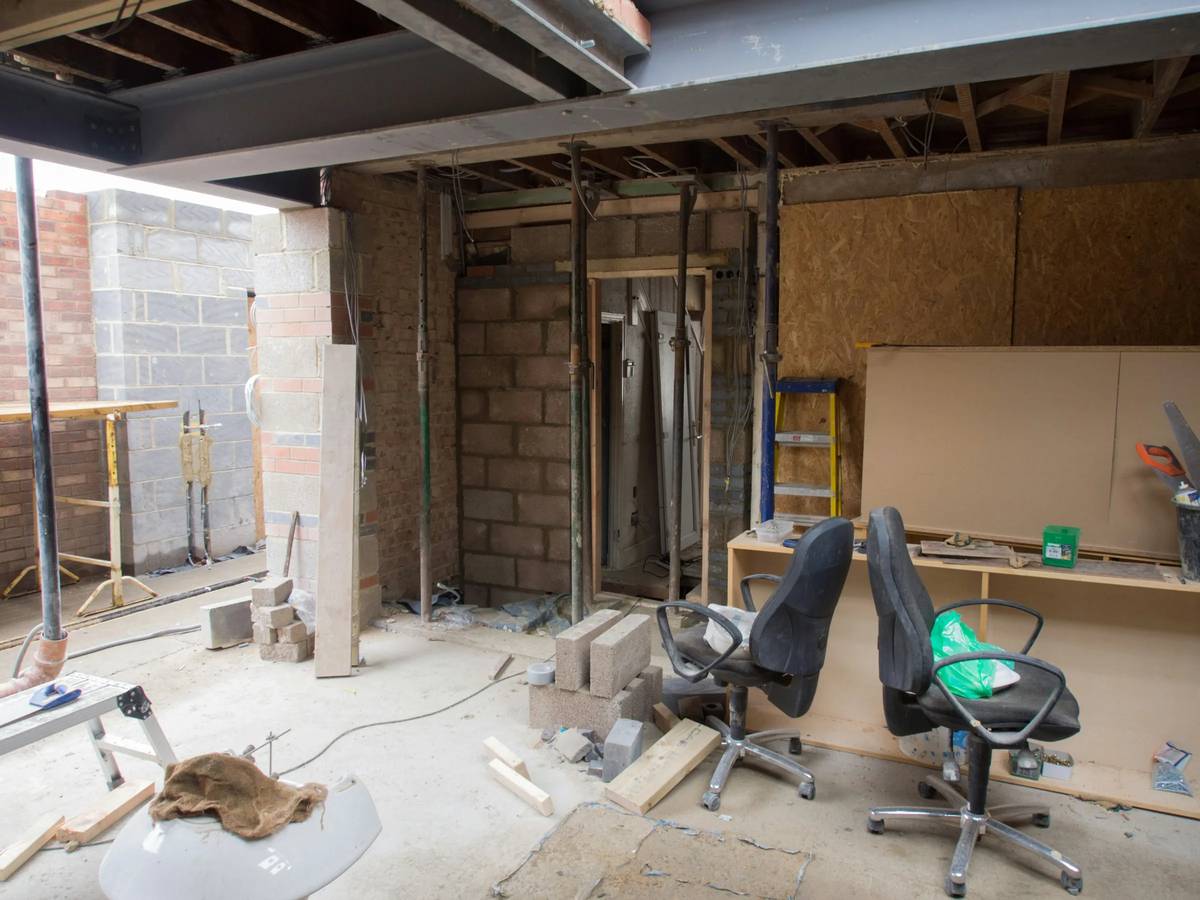
The short answer
A reinstatement clause makes a tenant remove its alterations and put the premises back as they were at the start of the lease. Whether it applies automatically, or only if the landlord asks, depends on the exact wording of the lease and the licence.
- Check the lease, every licence for alterations and any side letter.
- Look for whether reinstatement is automatic or only on the landlord's notice.
- Reinstatement sits outside the section 18 cap on repair damages.
- Agree in writing anything the landlord is happy to keep.
A reinstatement clause makes a tenant take out its alterations and put the premises back at the end of the lease. For a fitted-out office, shop or warehouse, it is often the biggest single item in a dilapidations claim.
The wording decides everything. Some clauses apply automatically. Others only bite if the landlord asks in time. Many tenants find out which kind they have only when the schedule arrives.
This guide explains what a reinstatement clause asks and the make good and yield up wording around it. It also covers licences for alterations and when things can stay. We give reinstatement and dilapidations for tenants, from the first reading of the lease to the strip-out. Handing back soon? Get the reinstatement priced.
What a reinstatement clause asks
A reinstatement clause covers the changes you made to the premises. It asks you to remove them and return the space to how it was before, usually to a standard set in the lease or licence.
| Item you added | Reinstatement usually means |
|---|---|
| Partitions and meeting rooms | Removed, with ceilings, floors and walls made good |
| Kitchens and tea points | Removed, services capped, finishes made good |
| Raised floors or extra cabling | Removed or returned to the original layout |
| Signage and shopfront changes | Removed, fixings and holes made good |
| Mezzanines and racking | Removed, floor slab repaired |
Reinstatement is separate from repair. A schedule of dilapidations lists them in different categories, and the law treats them differently.
Make good and yield up wording
Three phrases tend to appear together in a lease. Reading them side by side tells you what you will owe at the end.
- Reinstate. Remove alterations and restore the original layout.
- Make good. Repair the damage caused by doing so, such as fixing holes and patching finishes.
- Yield up. Hand the premises back at the end of the term in the state the lease requires.
The yield up clause is the one most schedules quote. It often says the tenant must hand back in repair and with alterations removed. Check whether it also refers to the reinstatement clause, or to a separate licence.
Licence for alterations and reinstatement
Most fit-outs need the landlord's consent, given in a licence for alterations. The licence usually carries its own reinstatement terms, and they can differ from the lease.
Look for three things in every licence:
- Automatic or on notice. Must the works come out at the end, or only if the landlord asks?
- Standard. Back to the original layout, or to a specification such as Cat A?
- Timing. By when must the landlord ask, if a notice is needed?
Riverside Park v NHS Property Services in 2016 shows why this matters. The tenant left partitioning, kitchen units, floor coverings and blinds installed under a licence. The court held that vacant possession was not given, so the tenant's break failed. Our guide to vacant possession covers what must leave the premises.
We hired Craftex for a commercial ground floor fit-out with 2 flats above. There were some minor co-ordination hiccups with third-party suppliers but the team kept it moving. Finish quality was strong. Kitchens and doors look great. I have already asked them for a quote on the next project.
Landlord's notice to reinstate
Where reinstatement depends on the landlord's notice, the notice is the trigger. No valid notice can mean no obligation, so the date and form matter.
RICS guidance asks surveyors to consider carefully whether a reinstatement notice must be served. The Dilapidations Protocol asks the landlord to identify any such notices in its schedule.
As a tenant, check:
- Was a notice needed under the lease or licence?
- Was it served by the deadline, to the right address?
- Does it cover the items the schedule now claims?
If the answer to any of these is no, the item may come out of the claim.
Reinstatement sits outside the section 18 cap
Section 18(1) of the Landlord and Tenant Act 1927 caps damages for repair at the fall in the value of the landlord's interest. RICS guidance says it does not apply to removal and reinstatement. That makes reinstatement items harder to argue down with the cap, so the lease wording and the real cost matter more.
Reinstate or leave in place
Not everything you installed has to come out. A landlord re-letting the space may want good partitions, a kitchen or a raised floor left for the next tenant.
| Option | Suits | Get in writing |
|---|---|---|
| Reinstate | The landlord wants the original layout | The scope and standard |
| Leave in place | The landlord or next tenant wants it | The landlord's waiver of reinstatement |
| Take with you | It fits your next premises | That removal satisfies the clause |
| Resell or recycle | It has value but no new home | Removal date and make-good scope |
Design for removal from the start where you can. For Drake's railway arch in Bethnal Green, nothing could be fixed into the arch. We built partitions, ceilings and services on their own self-supporting frames.
One team, one point of contact: our own RICS-qualified quantity surveyor prices the reinstatement line by line. We negotiate what can stay with your landlord, and our crews do the strip-out. Get the reinstatement priced before the landlord's schedule sets the number.
Before you reinstate
- Read the lease, every licence and any side letter together.
- Check whether reinstatement is automatic or on notice.
- Check any notice was valid and in time.
- Ask the landlord what it wants left in place.
- Get the waiver in writing.
- Price the reinstatement as a builder would.


