Business Rates on Empty Commercial Property: Reliefs, Exemptions and Your Options
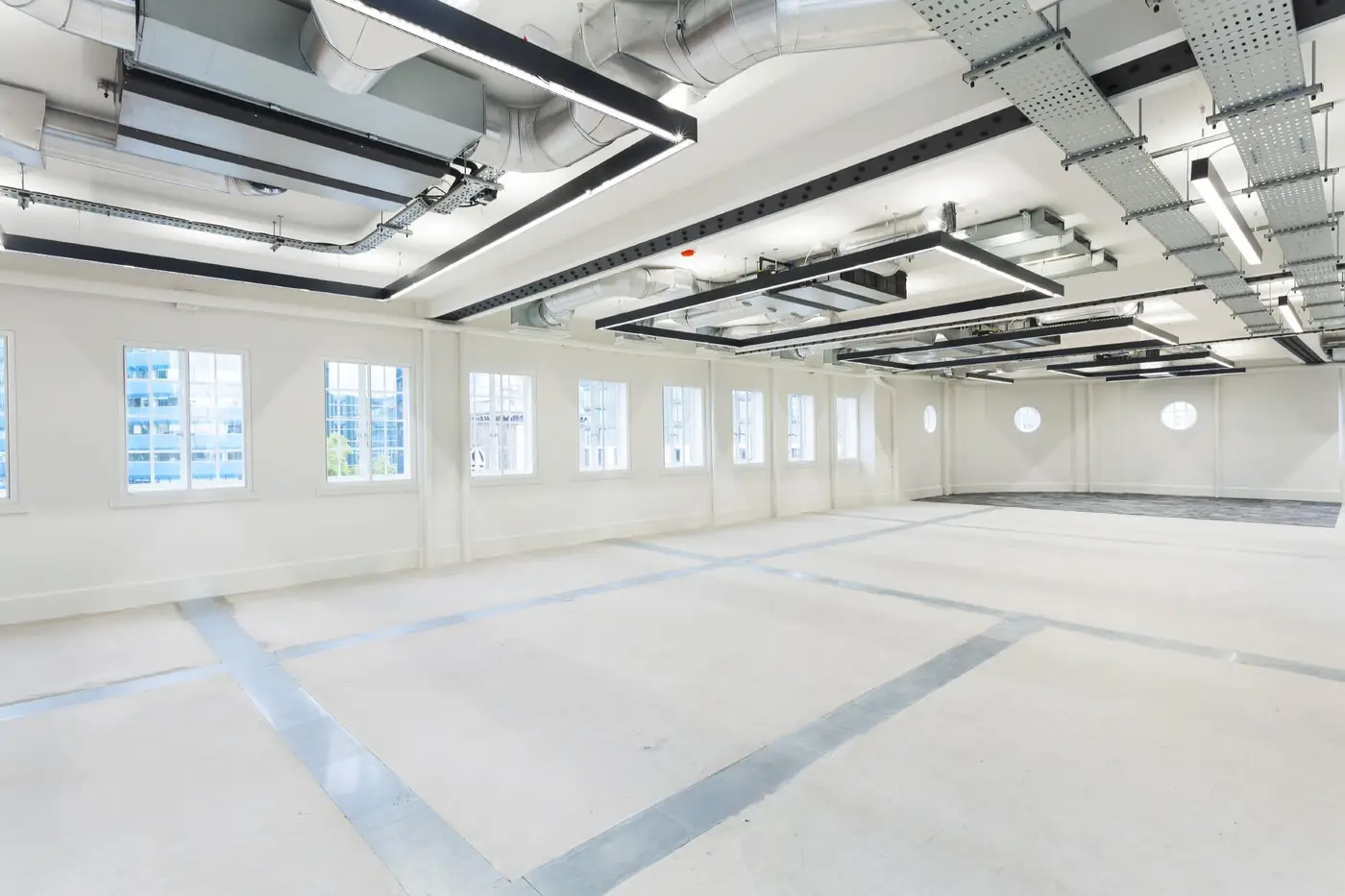
Short answer: in England, most vacant commercial property is free of business rates for the first three months after it becomes vacant, and empty industrial property such as warehouses and factories for six months. After that the owner pays full business rates for as long as the building stays empty, unless an exemption applies or the building is let, put to another use, substantially altered or demolished.
For an owner in London, that bill can be the largest single cost of an empty building. It often prompts the right question: not how to cut the rates, but what the building should become.
This guide explains how empty property rates work, the reliefs and exemptions, the options that genuinely reduce the cost, and the ones to avoid. It covers England. It is general information, not tax or legal advice, and rules on business rates change, so confirm the current position with your billing authority or a rating adviser before acting.
How empty property rates work
Business rates are charged on non-domestic property, based on its rateable value set by the Valuation Office Agency. In London the bill is collected by the borough, or by the City of London Corporation in the Square Mile.
When a building becomes empty, the owner (the person entitled to possession, usually the landlord or leaseholder) becomes liable for rates. The rules are:
| Property type | Rates-free period after it becomes empty | After that |
|---|---|---|
| Most commercial property (offices, shops, restaurants) | 3 months | Full business rates |
| Qualifying industrial property (warehouses, factories) | 6 months | Full business rates |
The reoccupation rule
A short period of occupation does not reset the clock indefinitely. From 1 April 2024, a property must be occupied for at least 13 weeks (previously six weeks) before a new rates-free period starts when it becomes empty again.
Revaluation
The rating list was revalued from 1 April 2026, so rateable values and bills changed for many London properties. If you have not checked the new rateable value of an empty building, do it now: it is the basis of every option below.
Exemptions from empty property rates
Some empty properties pay no rates at all for as long as they remain empty. The main exemptions in England:
- Listed buildings, until they are occupied again.
- Properties with a rateable value below £2,900.
- Properties owned by a charity or community amateur sports club, where the next use will be wholly or mainly for charitable or club purposes.
- Properties the owner is prohibited by law from occupying.
- Properties held by an owner in administration or being wound up, or by the personal representatives of a deceased owner.
- Properties protected by certain heritage designations, such as a scheduled monument.
If an exemption may apply, tell the billing authority. Exemptions are not always applied automatically.
Reliefs while the building is partly used
Partial occupation relief
If part of a building is empty for a short time, for example while a tenant moves in floor by floor, the council can reduce the bill under its partial occupation powers. It is discretionary and usually temporary. Apply to the borough with plans showing the empty areas.
Charitable occupation
A registered charity occupying a building for charitable purposes receives mandatory relief of 80 per cent of the bill, and the council can grant a further discretionary top-up. Letting empty space to a charity on a genuine, short-term basis can reduce the cost while the long-term plan is worked out. It must be a real occupation, not a paper arrangement.
Hardship relief
Councils can reduce or remit rates in cases of hardship where it is in the interests of local taxpayers. It is rare, discretionary and judged case by case.
The real options for an empty building
1. Let it, even for a short time
A tenant pays the rates while in occupation. A flexible or short lease, a meanwhile use or a pop-up can cover the cost while the building waits for a longer-term plan. Remember the 13-week rule if the space will be empty again soon.
2. Refurbish it so it lets
Many London buildings stay empty because they are dated, not because the location is wrong. A Category A refurbishment, energy upgrades and a better reception can turn a hard-to-let floor into one that lets. Under the Minimum Energy Efficiency Standards, a landlord cannot continue to let a commercial building rated F or G on its EPC unless an exemption applies, so a vacant period is often the best time to fix the rating. See our guide to value-add commercial refurbishment and our commercial fit-out and refurbishment service.
3. Ask for the entry to be reviewed during major works
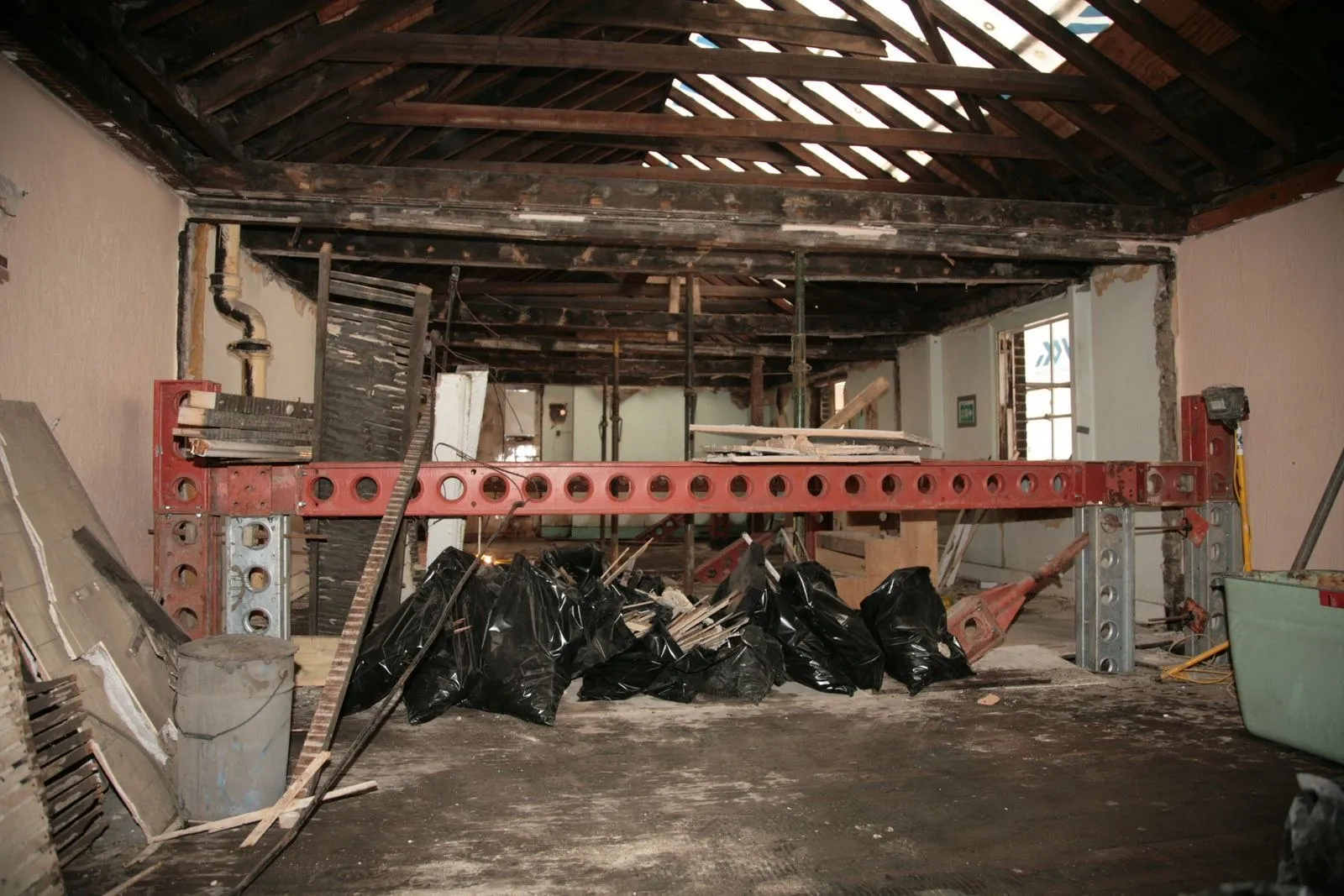
When a building is stripped out for major works, its rateable value may no longer reflect reality. In Newbigin v SJ & J Monk (2017), the Supreme Court held that an office being redeveloped should be valued as it actually was on the relevant day, as a building undergoing works, which can reduce the rateable value to a nominal figure. Whether this applies depends on the facts: the scope of the works, whether they are really under way and whether the building could be occupied. Speak to the Valuation Office Agency or a rating adviser before starting work.
4. Change the use
A building converted to homes leaves the business rates list and the new flats pay council tax once complete. A change between commercial uses within Use Class E can often be made without planning permission. Larger changes need prior approval or planning consent. See change of use and commercial property redevelopment and repurposing.
5. Redevelop or demolish
A building that has been demolished is removed from the rating list. Demolition only to avoid rates is rarely sensible, but if redevelopment is the right long-term answer, the rates saving is one more reason to move the programme forward.
6. Sell
If the building does not fit the owner's plans, selling it, with its potential explained, may be better than holding it empty. See sell your commercial property.
Schemes to avoid
Over the years, arrangements have been sold that claim to remove empty rates liability, for example by leasing the building to a company that is then wound up, or by placing a token item in the building to claim occupation. In Rossendale Borough Council v Hurstwood Properties (2021), the Supreme Court ruled against a scheme that granted short leases to companies set up to be dissolved, and held the landlords liable. Councils challenge such arrangements, and owners can end up paying the rates, costs and interest. If a proposal looks too clever, it probably is.
The other costs of an empty building
Rates are rarely the only cost. Owners should also plan for:
- Insurance. Policies often have vacancy conditions, such as regular inspections and drained water systems. Check yours.
- Security. Empty London buildings attract squatters, vandalism and metal theft.
- Compliance. Fire safety, water hygiene and gas and electrical checks still matter in a vacant building. Our landlord compliance services can help.
- Service charges on multi-let buildings, which the landlord pays for vacant units.
- Condition. Buildings deteriorate faster when empty and unheated.
A simple decision path
- Check the facts: the current rateable value, the date the building became empty, any exemption.
- Estimate the cost of holding it empty for the next 12 months, rates included.
- Compare it with the cost and time to make it lettable, to change its use, or to sell.
- Get a survey before committing to any works, so the numbers are real.
- Decide, and set a date to review.