The 5% VAT Rate for Renovating Homes Empty for Two Years: How It Works
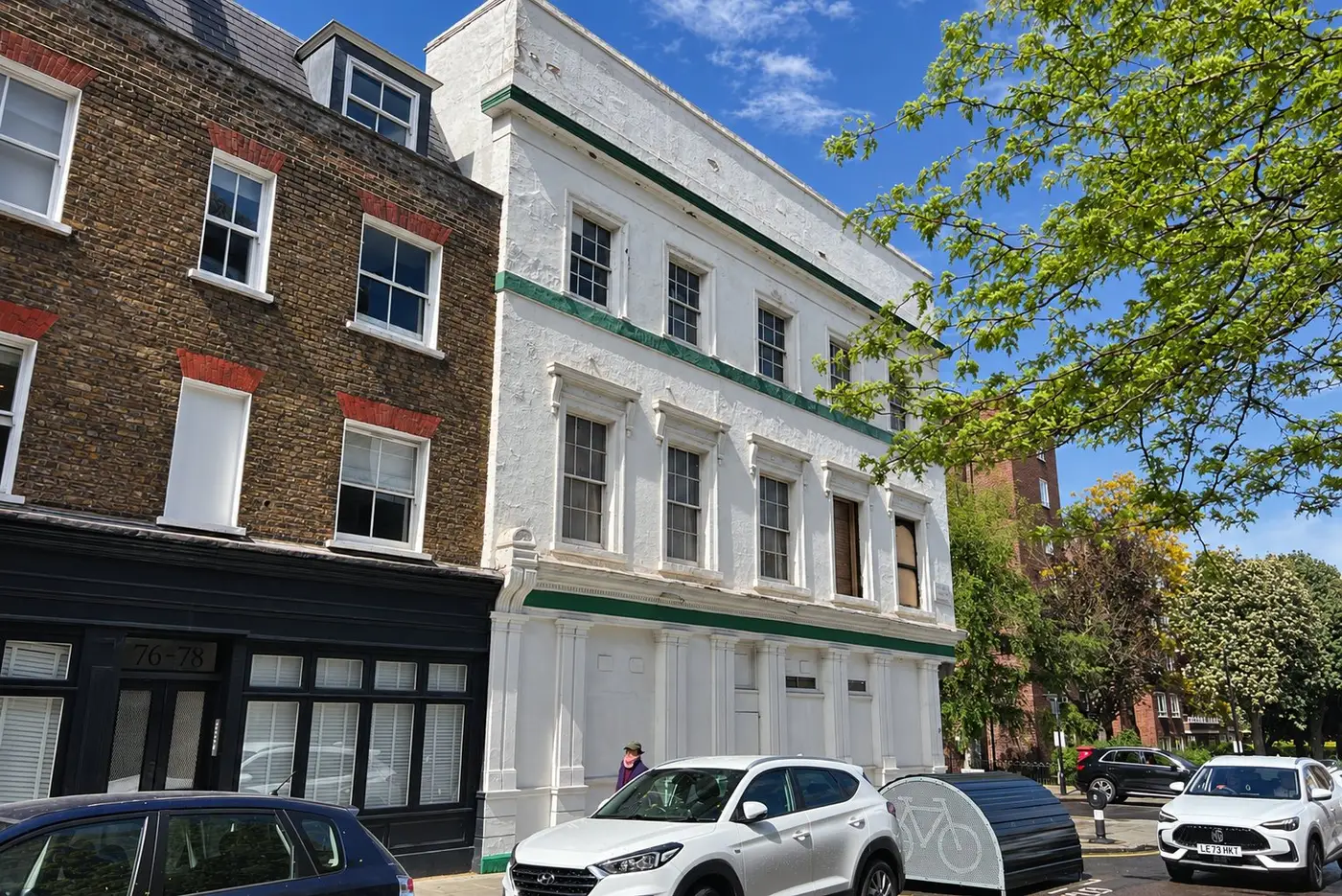
If a house or flat has not been lived in for at least two years before the work starts, a VAT-registered builder can charge VAT at 5% instead of 20% on renovating or altering it, including the building materials it supplies and fits. The relief applies whoever owns the property, so it works for investors, developers and owner-occupiers alike.
On a large refurbishment the saving is 15% of the building contract, which is often more than the stamp duty paid on the purchase. The relief is set out in Schedule 7A, Group 7 of the VAT Act 1994 and explained in section 8 of VAT Notice 708. Most claims that fail do so for one of two reasons: the evidence that the home was empty is thin, or someone used it, even occasionally, during the two years.
The rule in one table
| Condition | What HMRC requires |
|---|---|
| Type of property | "Qualifying residential premises": a house or flat (a single household dwelling), a house in multiple occupation, or a building last used for a relevant residential purpose |
| Empty period | Not lived in during the two years immediately before the renovation work starts |
| Who supplies the work | A VAT-registered contractor; the 5% applies to its services and the building materials it installs |
| What counts as work | Renovation, alteration, and repair, maintenance or improvement to the fabric of the building |
| What stays at 20% | Professional fees, and goods that are not building materials, such as carpets, with their installation |
What "not lived in" means
The two years run back from the day work starts, not from the day you bought the property. HMRC is specific about what does and does not break the period:
- Ignored: illegal squatting, occupation by property guardians, and non-residential use such as storing business goods.
- Counts as lived in: occasional use, such as a second home someone stays in from time to time. HMRC says plainly that in that case "you cannot reduce rate your supply".
A home that sat empty for 18 months, then had a caretaker staying at weekends, then sat empty again, will not qualify until two clear years have passed.
Evidence HMRC accepts
According to VAT Notice 708, proof can come from:
- a letter from the council's Empty Property Officer, which HMRC accepts on its own
- electoral roll records
- council tax records, for example the date an empty-property charge or exemption started
- utility companies' records showing negligible use
Collect it before the contractor issues its first invoice. The builder carries the risk of charging the wrong rate, so a careful contractor will ask to see it, and some will want it on file before they price at 5%.
What qualifies, and what does not
The reduced rate covers the work of renovating or altering the home and the building materials the contractor supplies as part of it. That includes:
- structural repairs, new roofs, windows, rewiring, new plumbing and heating
- reconfiguring the layout, new kitchens and bathrooms installed by the contractor
It does not cover:
- architects', surveyors' and project managers' fees, which are standard-rated
- materials you buy yourself from a merchant, which you pay 20% on at the till
- carpets, free-standing furniture and white goods, and fitting them
If the renovation also changes the number of homes, for example splitting a large empty house into flats, the work can qualify for 5% as a conversion as well. We cover conversions in our guide to VAT on commercial to residential conversions.
The 10-year bonus: zero-rating the sale
A home that has not been lived in for at least 10 years counts as a non-residential building for VAT. That opens a second relief for developers: if you convert it into a dwelling, which HMRC treats as converting a non-residential building, and then sell the freehold or a lease of more than 21 years, the first sale can be zero-rated. A zero-rated sale lets you register for VAT and reclaim the VAT on your costs, including the 5% charged by the builder and the 20% charged by consultants.
The evidence bar is the same as for the two-year rule, just over a longer period, and again a letter from an Empty Property Officer is enough on its own.
Worked example
Illustrative example only, with round numbers.
An investor buys a house that has been empty for three years and agrees a £400,000 renovation contract with a VAT-registered builder, plus £40,000 of design and survey fees.
| Item | At 20% | At 5% | Saving |
|---|---|---|---|
| Building contract | £80,000 VAT | £20,000 VAT | £60,000 |
| Design and survey fees | £8,000 VAT | £8,000 VAT (still 20%) | £0 |
| Total VAT | £88,000 | £28,000 | £60,000 |
If the house had been empty for 10 years, and the investor converted it and sold it on completion, the sale could be zero-rated and the £28,000 reclaimed as well.
Who qualifies, and the pitfalls
| Situation | 5% available? | Common pitfall |
|---|---|---|
| Investor buys a long-empty house to refurbish and let | Yes | No evidence for the full two years |
| Developer refurbishes an empty flat to sell | Yes | Using a non-VAT-registered builder, so no 5% invoice |
| Owner renovates an inherited home empty for two years | Yes | A relative stayed "now and then" during the period |
| Second home used occasionally | No | Treating occasional stays as "empty" |
| Owner buys materials and hires labour only | Only on the contractor's supply | Expecting 5% on merchant purchases |
| Work starts after a new owner moves in | Possibly, under a second set of conditions | Not checking those conditions before work begins |
That last row matters. Notice 708 has a second route for work that starts after someone has moved in, with its own conditions. If you intend to occupy before the builders arrive, check section 8 of the notice first.
Why this is worth planning around
London has many homes that have sat empty through probate, long redevelopment plans or simple neglect. Buying one and refurbishing it with the 5% rate is a legitimate way to reduce the build cost. The relief only works if the timing, evidence and contract are right from the start.
We deliver whole-house refurbishments with an in-house team, and we price the building contract separately from design so the rates are clear on every invoice. See our home renovation and refurbishment and high-end residential renovation services, or our development feasibility and site appraisal if you are deciding whether to buy. For the purchase side, read our guide to stamp duty for property investors, and if you are building a portfolio, the free Investor & Developer guide explains how we work with investors.