Best Design and Build Contractors in London and the UK: How to Choose (and Where Craftex Fits)
The best design and build contractor for your project is the one that can prove it has designed and built schemes like yours, takes genuine responsibility for the design it hands you, and prices that design openly before you commit. In London and across the UK, that usually means checking four things first: who carries the design risk, how early the contractor is involved, whose people do the work, and who on their team has delivered at your scale.
Design and build sounds simple: one contract, one price, one company responsible. In practice the quality of the arrangement depends almost entirely on the contractor. Some have their own designers and their own site teams. Others pass the design to a consultant and the build to subcontractors, and sit in the middle. This guide shows how to tell the difference. We are a design and build contractor ourselves, working for occupiers, landlords and developers in London and across the UK, and we say plainly where we are not the right choice.
First, be clear what you are buying
| Route | What it means | Suits |
|---|---|---|
| Full design and build | The contractor designs from your brief and builds it under one contract | Fit-outs, refurbishments and conversions where speed and one point of responsibility matter |
| Design and build with novation | Your architect takes the design to a stage, then transfers to the contractor | Schemes where you want to control the concept and planning, then hand over risk |
| Two-stage design and build | A pre-construction agreement first, then the build price once design is developed | Complex or unknown sites, basements, retained façades |
| Traditional | You appoint the designers; the contractor builds what they drew | Projects where you want maximum design control and accept the gaps between parties |
Our guides to design and build vs traditional procurement and to the pre-construction services agreement explain each in detail.
The 7 checks for a design and build contractor
- In-house design, or design bought in? Ask who will draw your scheme and whether they are employees. A contractor with designers in the same company can price as it draws, which is the whole point of the route.
- Who carries the design risk, in writing? Read the contract's design responsibility clauses and check the contractor's professional indemnity insurance. If the price assumes things the design does not show, you want that to be the contractor's problem, not yours.
- Early involvement. The best savings happen at concept and feasibility, not on site. Ask at what stage the contractor usually comes in, and what changed on its last project because it did.
- Own labour. Ask what share of the site labour is directly employed. Craftex runs around 70% of its labour in-house.
- Track record at your scale and type. A fit-out specialist is not automatically a residential developer, and the reverse is just as true. Ask for completed schemes, not consented ones.
- Planning and development judgement. On development work, design and build starts before planning. Ask who on the team has taken schemes through planning and to sale or letting.
- Price transparency. A lump sum gives certainty, but you should still understand what it includes. Ask whether a detailed cost plan, priced unit by unit, is available.
How the main types of design and build contractor compare
Typical patterns, not verdicts on any one firm.
| What matters | National main contractor | Regional or mid-size contractor | Local general builder | Design-led studio that also builds | Developer-contractor (Craftex) |
|---|---|---|---|---|---|
| Design team | Mostly consultants appointed by the contractor | Mixed | Rarely designs | Strong in-house design | In-house design and planning |
| Who builds | Managed subcontract packages | Mixed | Own general trades | Often subcontracted | Around 70% own labour |
| Early involvement | Formal two-stage processes | Varies | Usually at tender | Early, design-led | From appraisal and feasibility |
| Planning and development thinking | Usually client's consultants | Varies | Rare | Design side strong | Development Director with a housebuilding MD background |
| Sweet spot | Large, complex schemes | Mid-size new build and refurbishment | Small works | Design-led interiors | Construction from £100,000 to £10M+; development £3M to £150M GDV |
| Where | National | Regional | Local | Usually one city | London and across the UK |
Where Craftex is not the right fit
- Very large new-build schemes that need a national contractor's balance sheet and bonding capacity. If your funder expects a top-tier contractor for a large new build, that is who you should appoint.
- Small works. Below about £100,000, the overhead of a proper design and build process rarely pays back. A good local builder working from simple drawings may suit you better.
- When you want to own every design decision. If you want your own architect to keep full control through construction, a traditional route is more honest than design and build with heavy client changes.
Why Rob Barton matters if you are a developer
Most design and build contractors think like builders: what is the scope, what will it cost, how long will it take. A developer also needs to know what the finished scheme is worth, how planning will treat it and how quickly it sells or lets. That is why our Development Director sits inside the same team as our designers and site managers.
Rob Barton, Development Director, leads our development partnerships with landowners, investors and family offices. Everything below is his career before Craftex, not Craftex projects:
- Former Regional Managing Director at Berkeley Homes, with Managing Director and Land Director roles at plc housebuilders including Countryside and St Modwen, over more than 20 years.
- Directly responsible for delivering more than 3,000 private homes, 1,000 affordable homes and 750 build-to-rent homes.
- Schemes including Acton Gardens (2,340 homes), St Andrew's Park in Uxbridge (1,340 homes) and the Old Vinyl Factory in Hayes.
- Non-executive director of three housing associations and two private housebuilders; an MBA from London Business School and a Master of Studies from Cambridge, where his research focused on AI in construction.
What that means for a design and build appointment: the scheme is tested against value and planning before it is drawn in detail, and the build price is set with the exit in mind. Depending on the stage, Craftex can co-invest, take 100% of the risk, or work on a percentage or fee basis.
The rest of the team, again with earlier projects from their previous careers:
- Joe Crawford, Operations Director: 37 years; projects from £100K to £135M, including the fit-out of Dior's flagship store on Bond Street.
- Martin Hickey, Preconstruction Director: more than 50 years in construction; responsible for preconstruction and project management.
- Konstantin Jegorovs, Projects Director: 16 years in retail and commercial; flagship projects of up to £5 million.
- Rafael Porzycki, Head of Design & Planning: 15 years' experience.
Design and build at work
- Medusa, Knightsbridge. The client came to us at RIBA Stage 2, with a concept and some 3D visuals and a budget already discussed. Because our designers and builders sit together, we could see what the concept would cost to build and adapt it to fit the budget. 180 sq m over four floors, designed and built in 17 weeks.
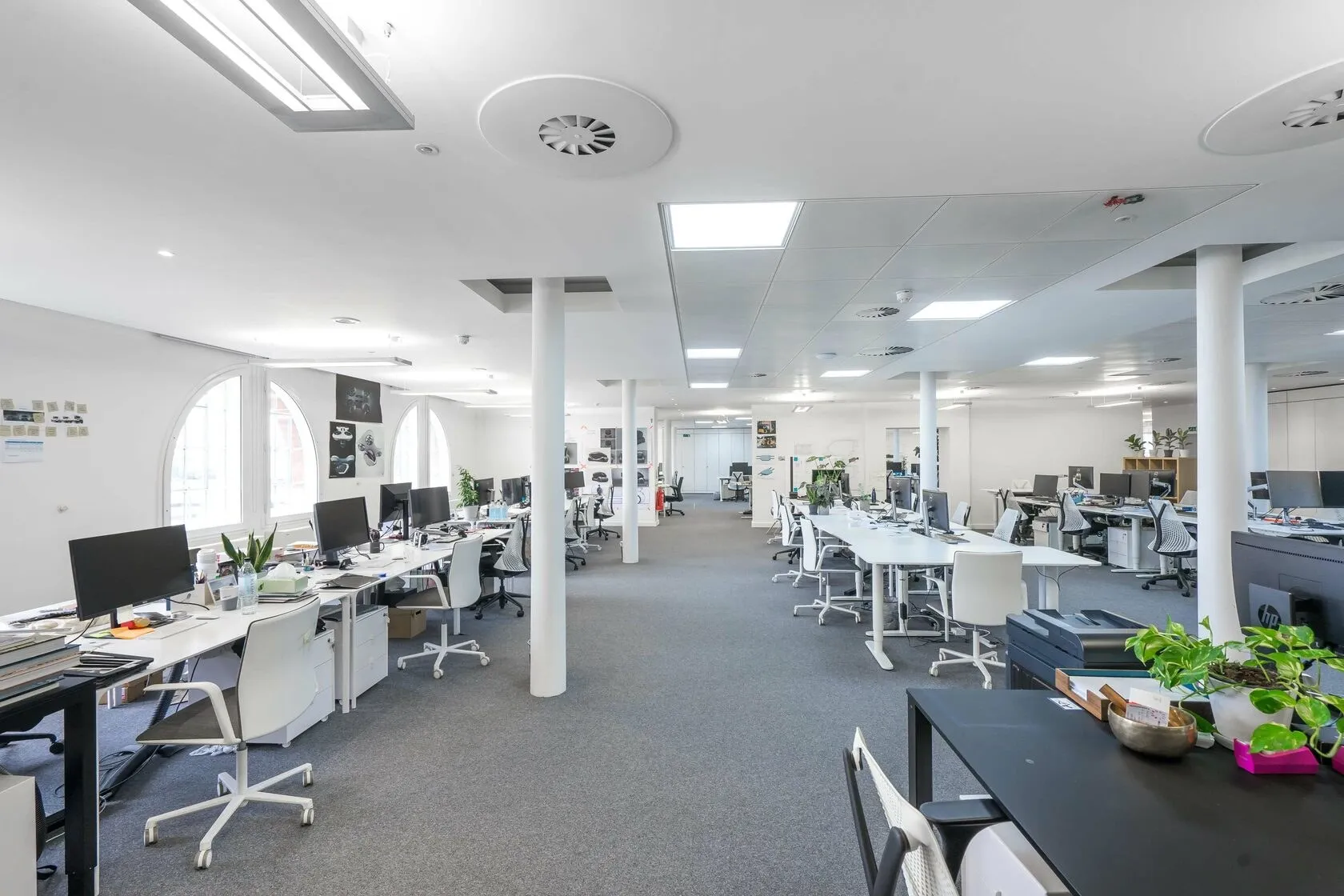
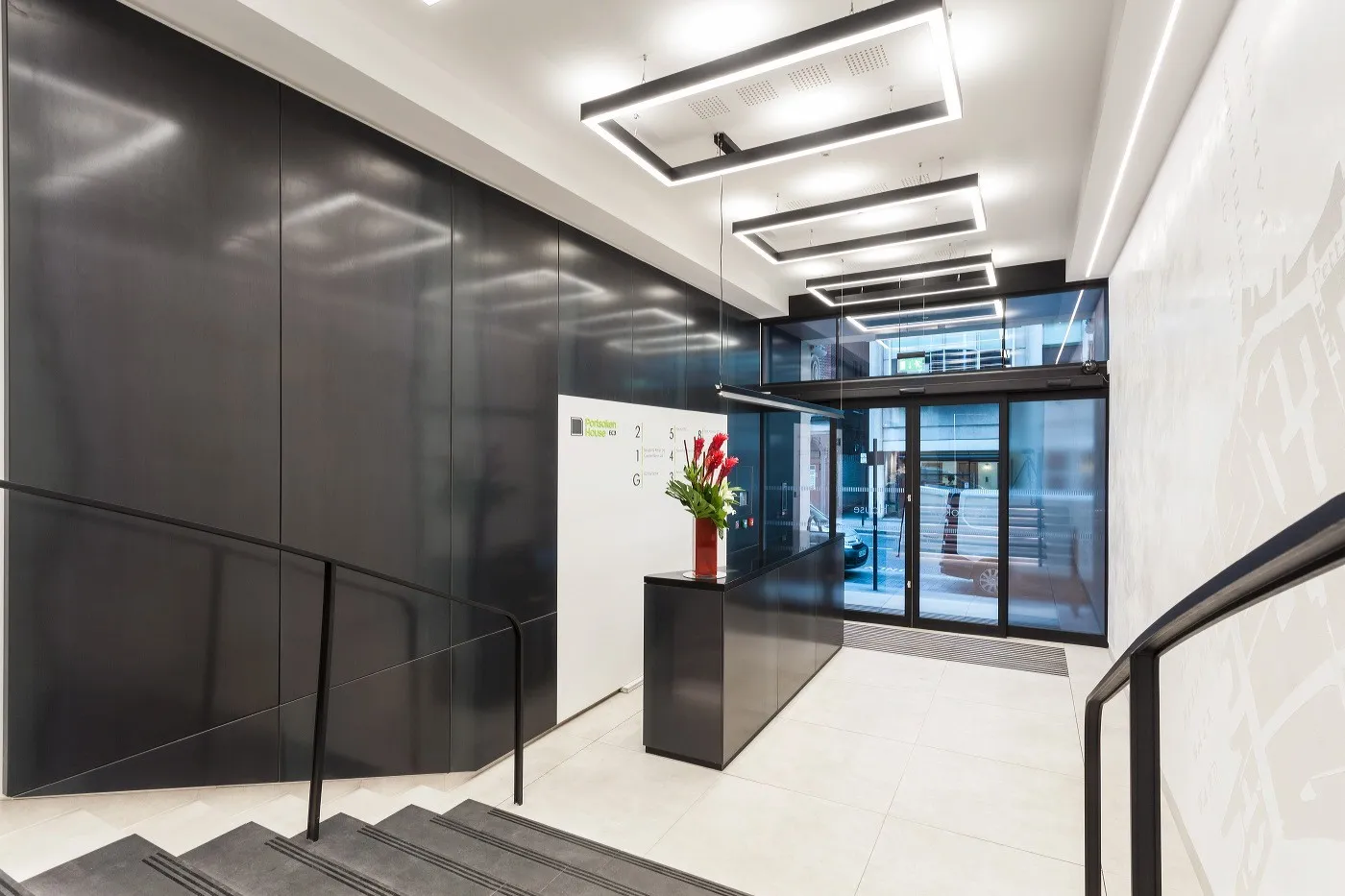
- Portsoken House, Aldgate. An abandoned warehouse turned into 1,550 sq m of offices, designed in-house and built in seven months around occupied floors. Keeping design and build under one roof gave the client accurate pricing and real savings. Project value £2.2M.
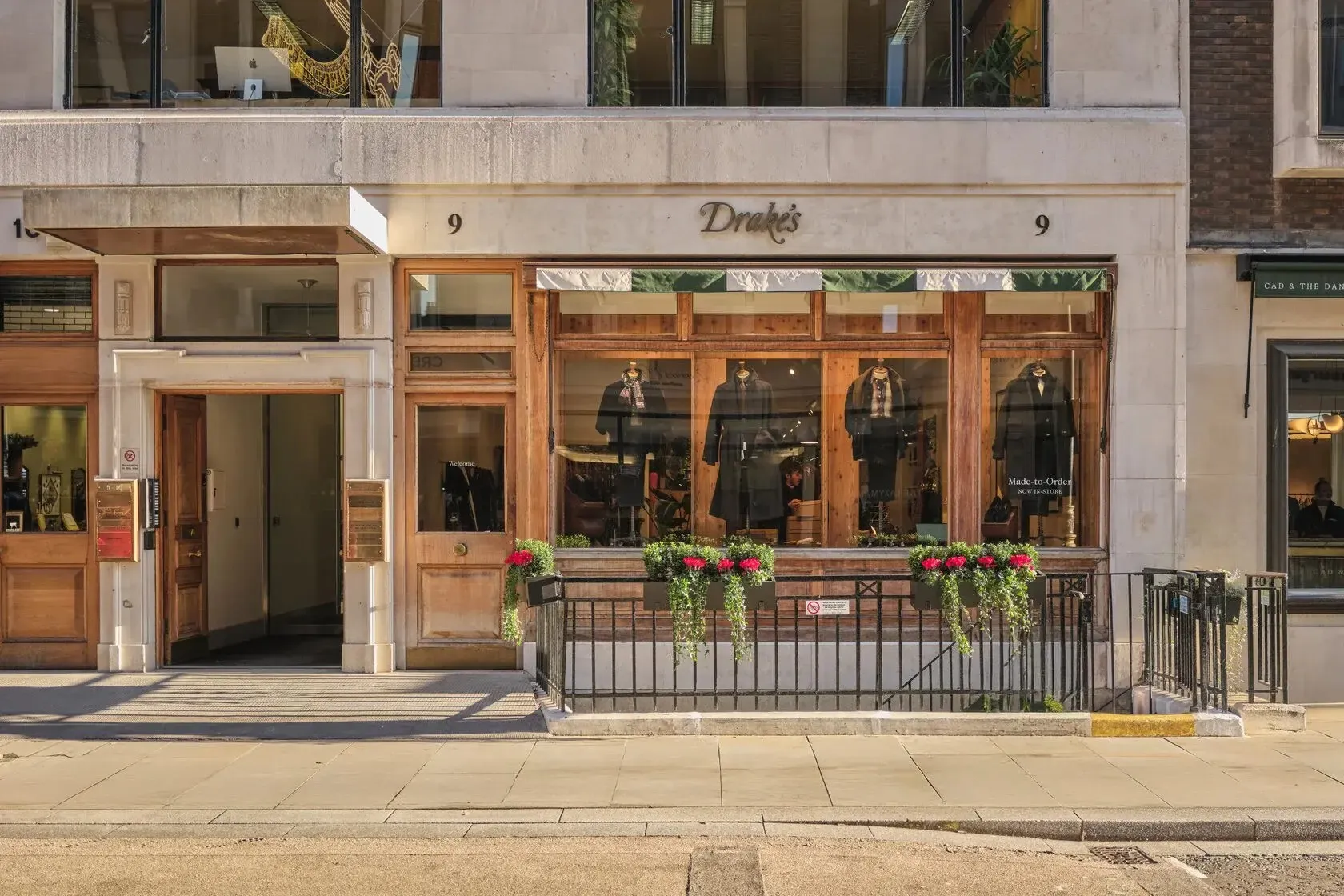
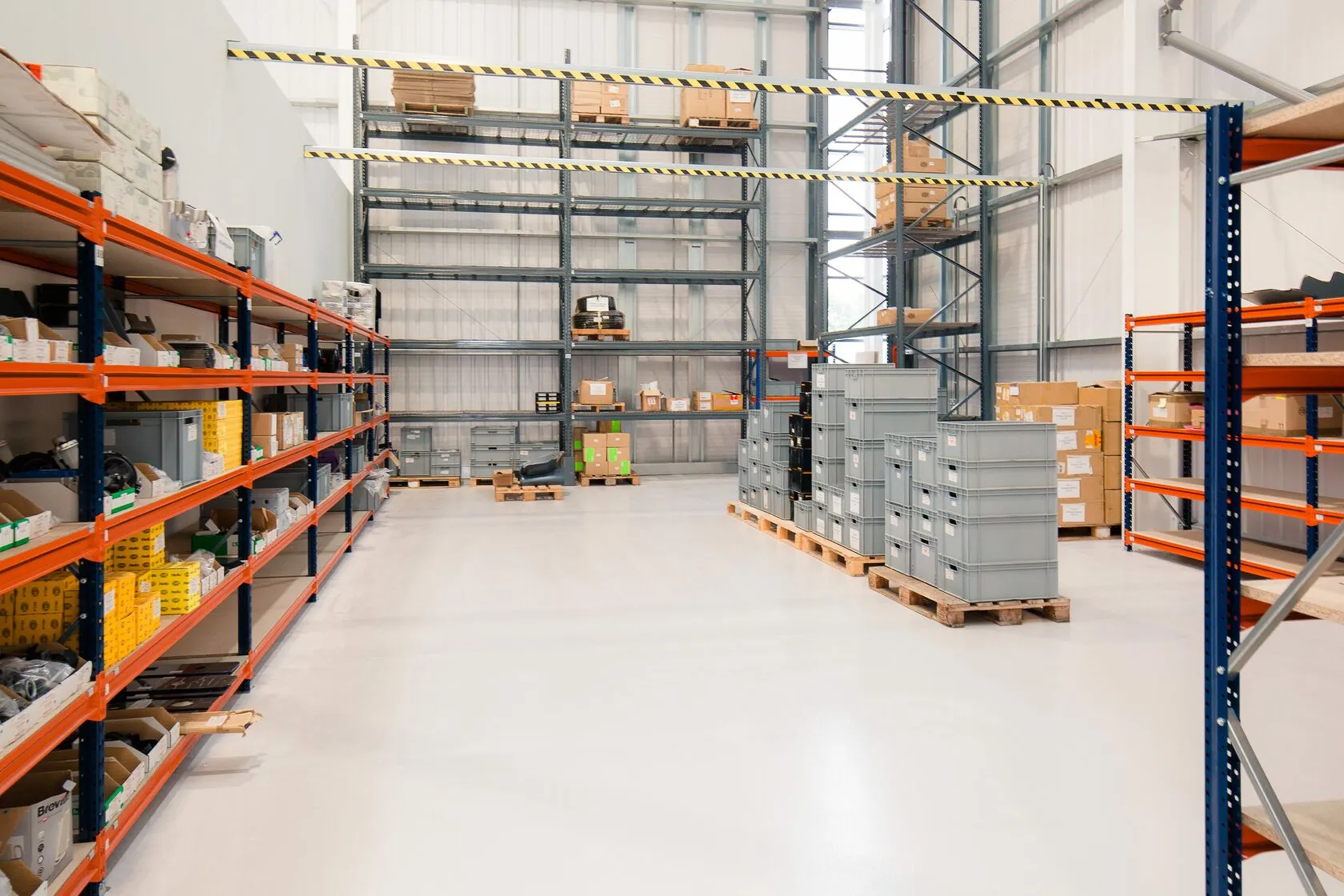
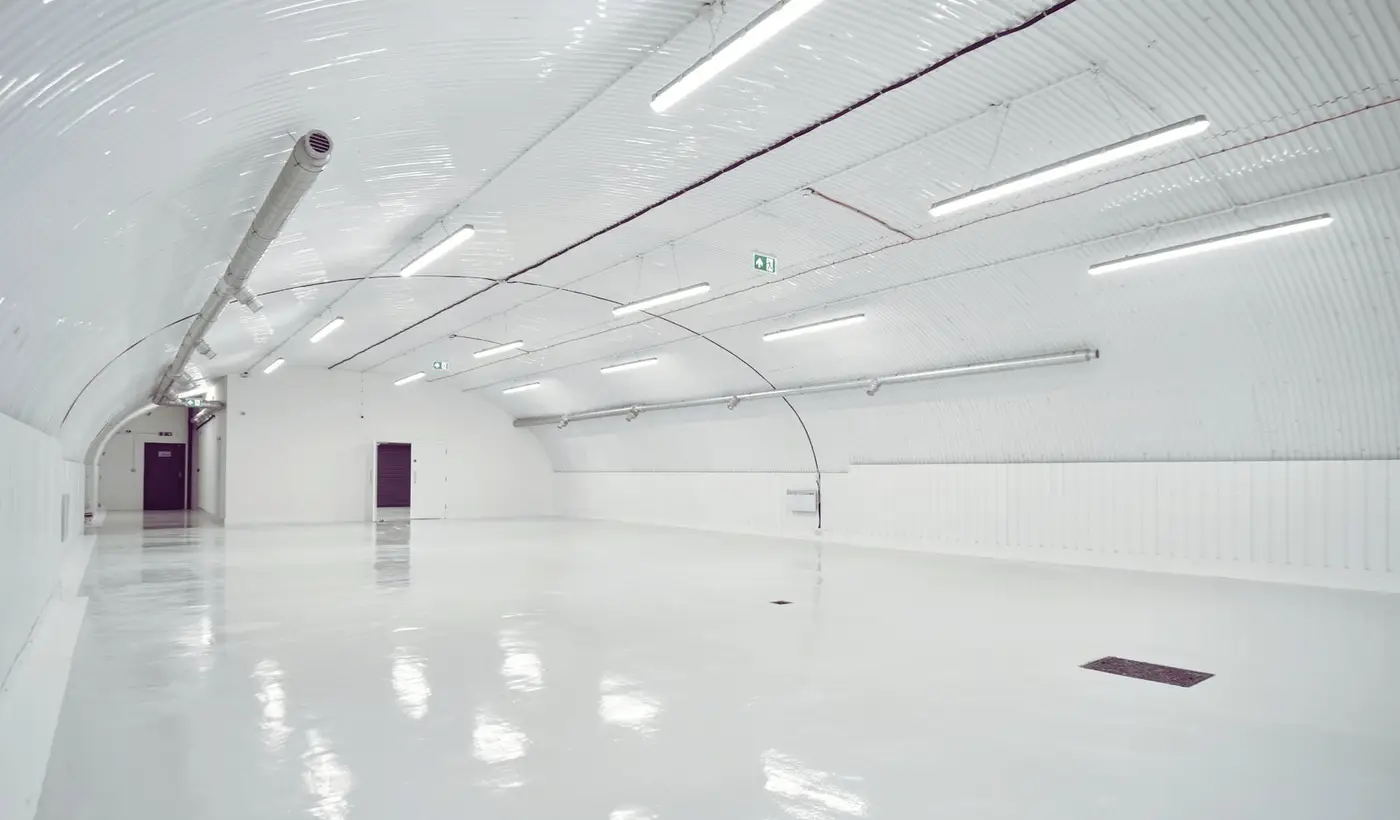
- Drake's warehouse, railway arch, London. Nothing could be fixed to the arch, so we designed a fully self-supported internal build: freestanding partitions, independent service frames and a complete mechanical and electrical strategy. 500 sq m, eight weeks, £200K.
- Outside London, Craftex took part in Leicester One, a £3.9M, 56-room student residence in Leicester city centre.
Every project we have delivered has finished ahead of programme and on budget. See our design and build and turnkey contracting page for how the process runs.