Best Commercial Fit-Out Contractors in London: How to Choose (and Where Craftex Fits)
The right commercial fit-out contractor in London is one that has already delivered your type of space (a shop, a clinic, an office, a gym) in a building like yours, while it stayed open if yours has to. Judge contractors on six things: sector experience, live-building delivery, landlord and compliance handling, design and build under one roof, their own labour, and a price and team you can hold to account.
Commercial fit-out is a broad word. A contractor brilliant at restaurants may never have built a clinic, and a shopfitter used to identical chain stores may struggle with a one-off flagship. This guide helps you sort them before you spend time on proposals. We are a London fit-out contractor, so we also show where we fit and, just as useful, where we don't.
What a commercial fit-out contractor actually does
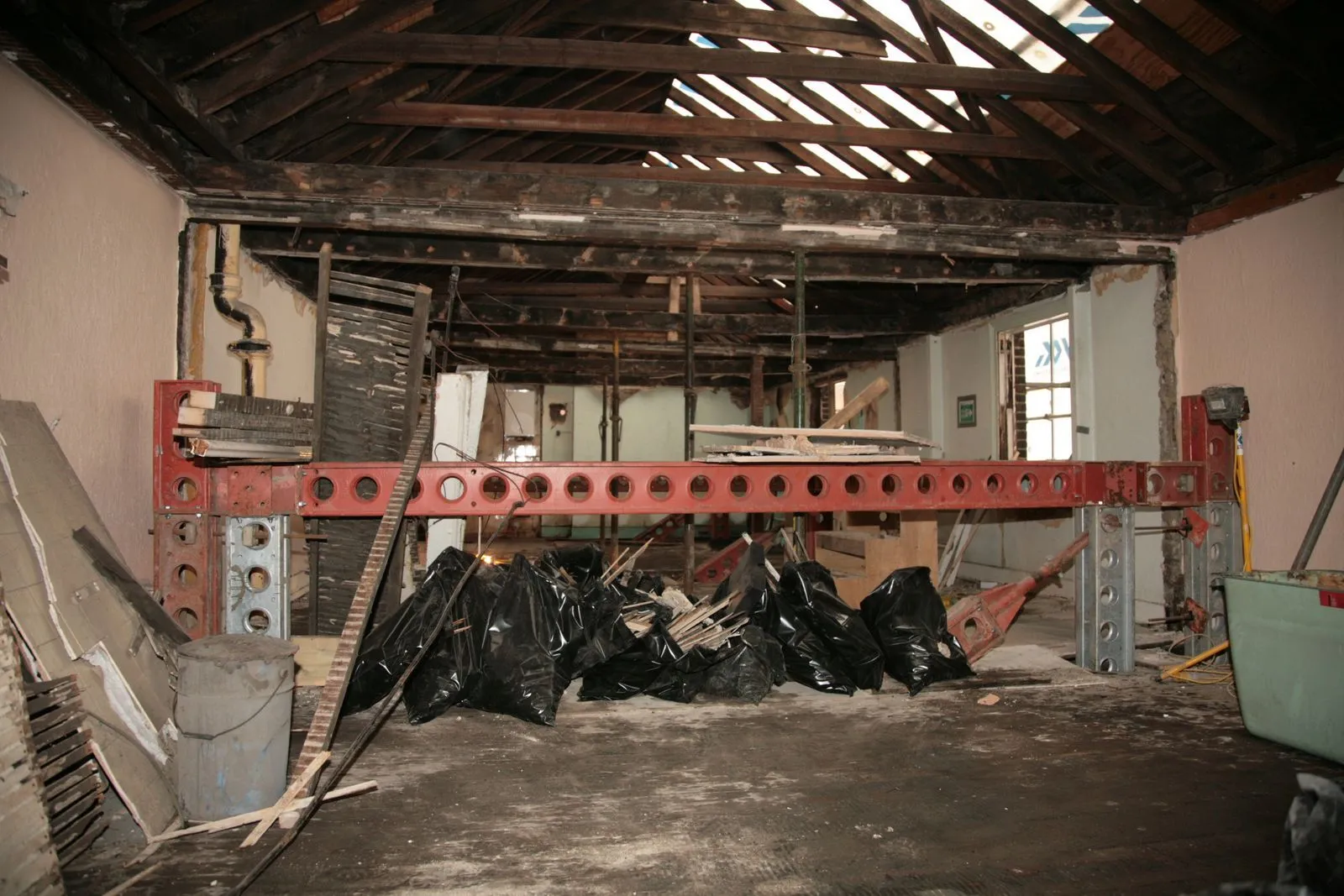
It turns a shell or a tired unit into a working space: strip-out, partitions, ceilings, floors, mechanical and electrical services, joinery, finishes, and the approvals that go with them. The better ones also design the space, manage the landlord's consent and hand over a building that is safe, signed off and ready to trade. If you are deciding between a fit-out specialist and a general builder, start with our guide to the differences between a fit-out contractor and a general contractor.
The 6 criteria, and what good looks like
| Criterion | What good looks like | Red flag |
|---|---|---|
| Sector experience | Completed projects in your sector, with size, programme and a client you can call | Only renders, or only homes |
| Delivery in a live building | A clear plan for trading hours, out-of-hours work, dust and deliveries | "We'll work around you" with no detail |
| Landlord and compliance | Consent pack, building control and sector rules planned from day one | Consents treated as your problem |
| Design and build under one roof | One company responsible for design, price and build | A design that has never been priced |
| Own labour | A large share of trades directly employed | Every trade subcontracted, nobody named |
| Price and named team | Same scope priced like for like, exclusions listed, a named project lead | Low headline, long list of provisional sums |
Sector experience matters more than size
A clinic needs wipe-clean, infection-conscious finishes and accessible routes. A flagship shop needs joinery to the millimetre and lighting that sells product. A gym needs floors and services built for heavy use. Ask for two or three completed projects in your sector, not just a long client list. For clinics specifically, our CQC fit-out guide sets out what the regulator looks at.
Staying open changes everything
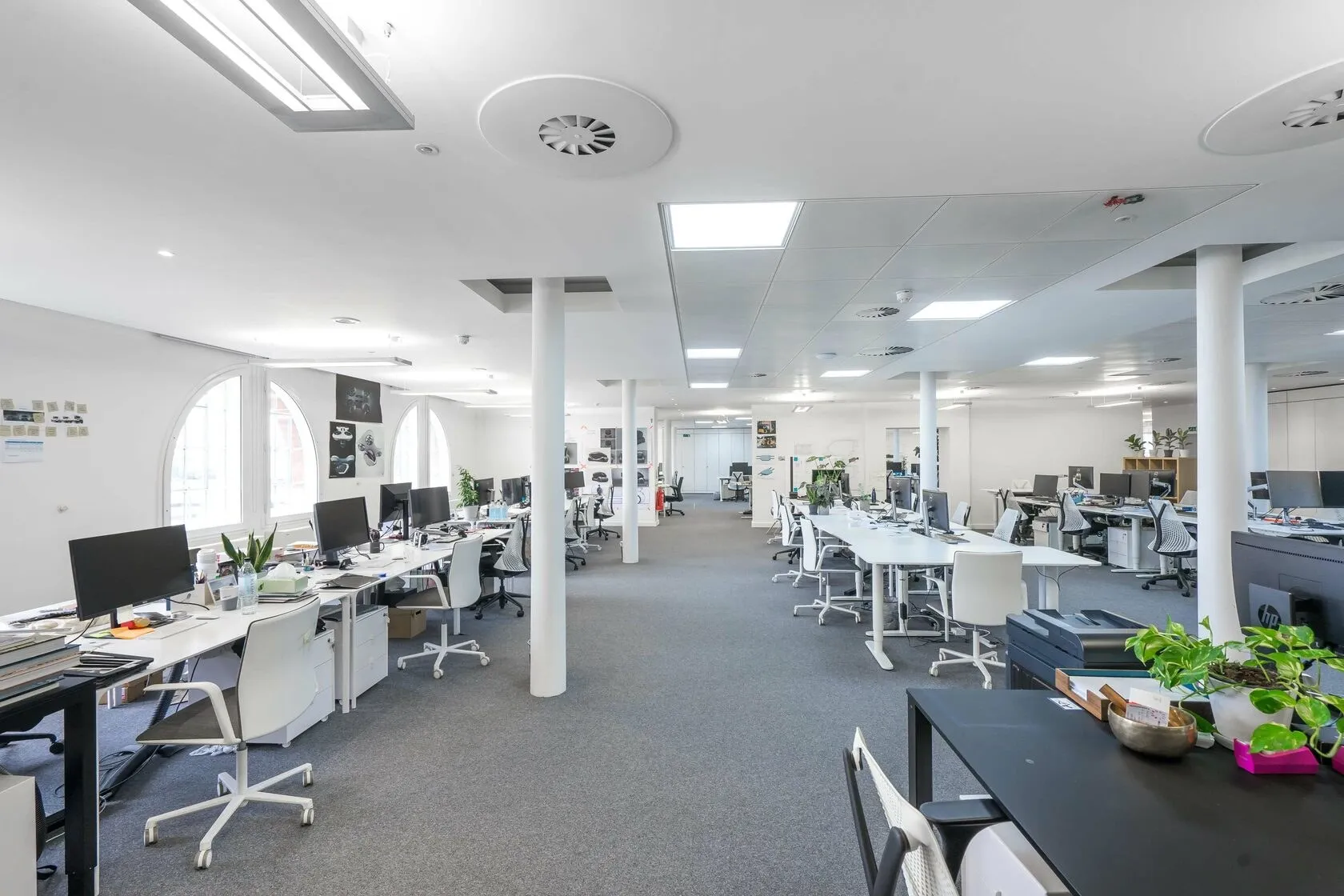
If your shop, clinic or office has to keep running, the contractor's planning is the project. Ask how the last live-building job was phased, what was done at night, and how the neighbours and building manager were kept on side. Our guide to refurbishing an office while it is occupied covers the same principles.
The landlord is part of your project
Most London commercial space is leased. The landlord's consent, usually a Licence for Alterations, the building's working rules and Building Regulations sign-off all sit on the critical path. A contractor that has done this many times will start the paperwork before the drawings are final.
How the main types of commercial fit-out contractor compare
Typical patterns, not verdicts on any firm. Use them to decide what to ask.
| What matters | Sector shopfitter or specialist | National main contractor | Local general builder | Interior design studio | Craftex |
|---|---|---|---|---|---|
| Sector experience | Deep in one sector, often chain roll-outs | Broad, usually larger buildings | Varies | Strong design record in its niche | Retail, healthcare, offices, spa, gym, warehouse, hospitality |
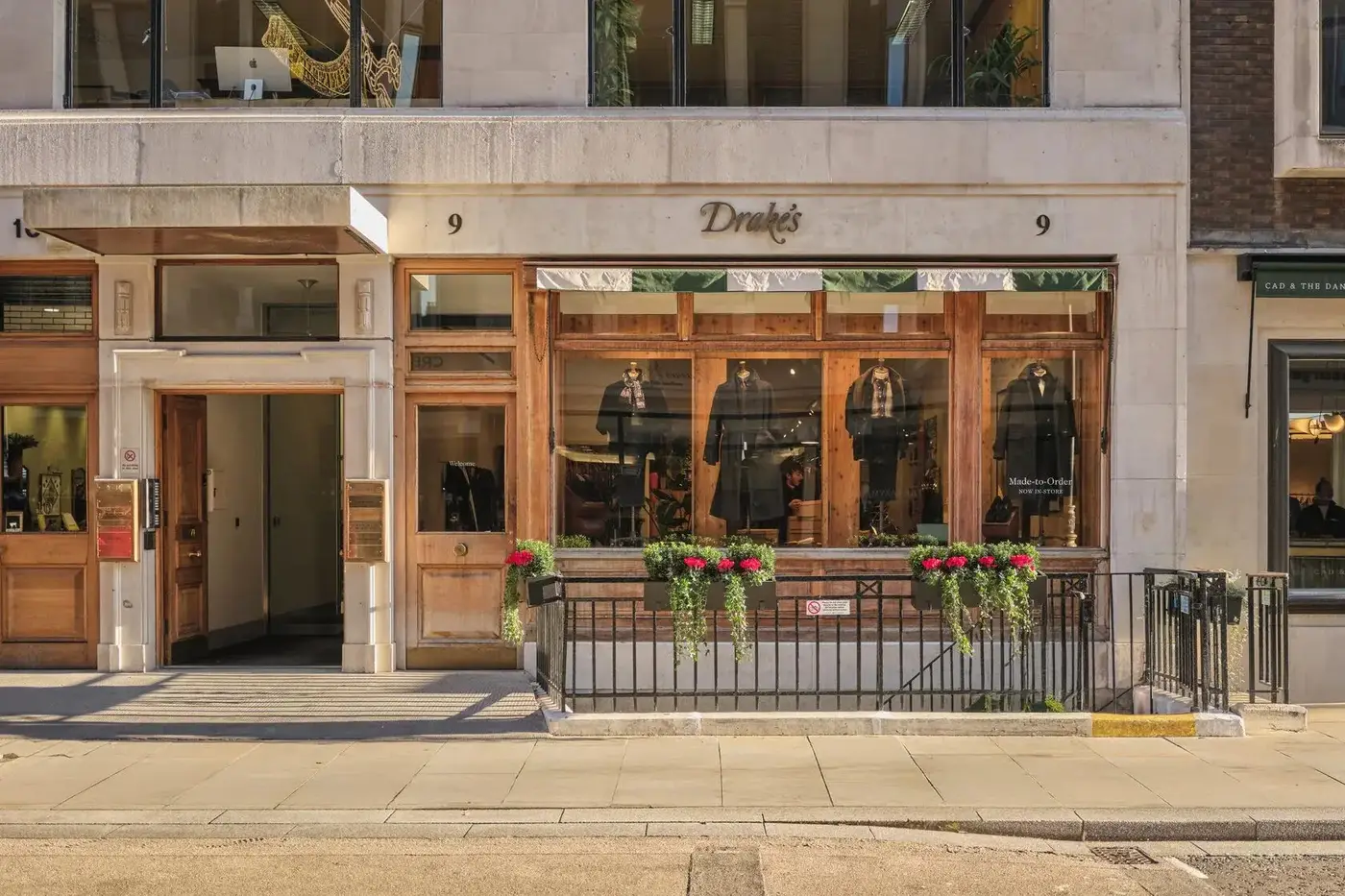
| Live-building delivery | Often strong (stores, overnight work) | Strong processes | Varies | Depends on the builder | Drake's flagship refitted while trading |
| Landlord and compliance | Good within its sector | Established | Often left to the client | Prepares design side | We prepare and manage consents |
| Design and build | Sometimes | Often design and build on larger jobs | Rarely designs | Design only | In-house design and construction |
| Own labour | Mixed | Mostly subcontract | Often own general trades | None | Around 70% in-house |
| Project size where they shine | Repeat units at scale | Large and complex | Small works | Design-led, any size | £100,000 to £10M+ |
Where Craftex fits, and where it doesn't
We fit when the project is a one-off, high-standard commercial space in London worth £100,000 or more, where design, approvals and construction need to come from one accountable team, and often where the space has to keep working during the build.
We are not the right choice when:
- You are rolling out the same unit across dozens of sites. A shopfitter set up for national roll-outs, with standard details and regional teams, will usually be more efficient.
- The budget is well under £100,000. A trusted local builder will often give better value on small works.
- You only need equipment. If the job is a new coffee machine line or a replacement display system with no building work, go to the supplier.
- You already have a full design and want a pure lowest-price tender. Many contractors, including us, will price it, but a design and build firm's main advantage is lost.
Proof across sectors
- Retail, live trading: Drake's, Savile Row. A £410K refit of the flagship store, 120 sq m in 12 weeks, with the shop open throughout: new shopfront, joinery, lighting, flooring and a reworked made-to-order area.
- Healthcare: Macmillan Cancer Care Centre. A 2,100 m² healthcare interior fit-out in London over seven months, with hygienic, wipe-clean surfaces, accessible circulation and every trade directly managed.
- Spa and beauty, design and build: Medusa, Knightsbridge. 180 sq m over four floors, designed and built in 17 weeks. The client came to us at concept stage, and our in-house team adapted the design to fit the budget.
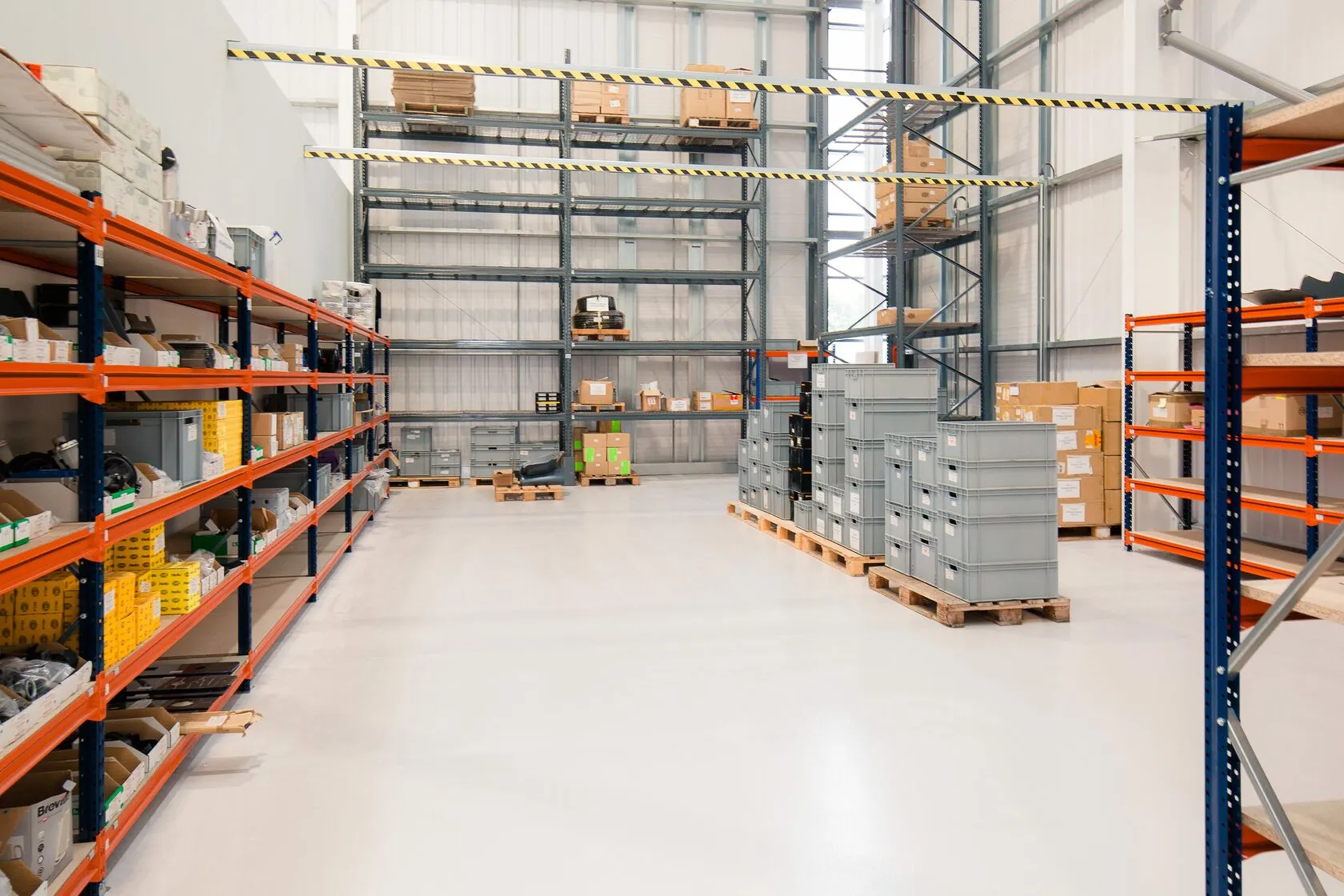
- Industrial: Banbury Warehouse. £380K, 148 sq m of new welfare and storage space in four weeks, built around a working warehouse.
The people who run it
Big claims about a company mean less than the people who will run your job. Where we mention earlier projects below, they come from their careers before Craftex.
- Joe Crawford, Operations Director: 37 years in construction; previous projects from £100K to £135M, including the fit-out of Dior's flagship store on Bond Street.
- Konstantin Jegorovs, Projects Director: 16 years in the retail and commercial sector; previously led flagship projects of up to £5 million and complex fit-outs of occupied commercial premises.
- Martin Hickey, Preconstruction Director: more than 50 years in construction; responsible for preconstruction and project management.
- Rafael Porzycki, Head of Design & Planning: 15 years' experience, leading in-house design and planning.
- Rob Barton, Development Director: for landlords and investors repositioning a commercial building, Rob brings a developer's view of value. He was previously a Regional Managing Director at Berkeley Homes and has held Managing Director and Land Director roles at plc housebuilders, delivering more than 4,000 homes.
Craftex holds ISO and CHAS accreditation and carries £10M public liability and £10M employers' liability cover.
A five-step way to choose
- Write a one-page brief: the space, the use, the date you must open or move, and whether you will trade during the works.
- Long-list four or five contractors with completed projects in your sector.
- Visit one finished project of each finalist if you can, and call the client.
- Ask for the same scope priced like for like, with exclusions and provisional sums listed.
- Meet the project lead, not only the sales director, before you sign.
For the wider picture, read how to find the right commercial fit-out company in London and see our commercial fit-out and refurbishment service.