Best Office Fit-Out Companies in London: How to Choose (and Where Craftex Fits)
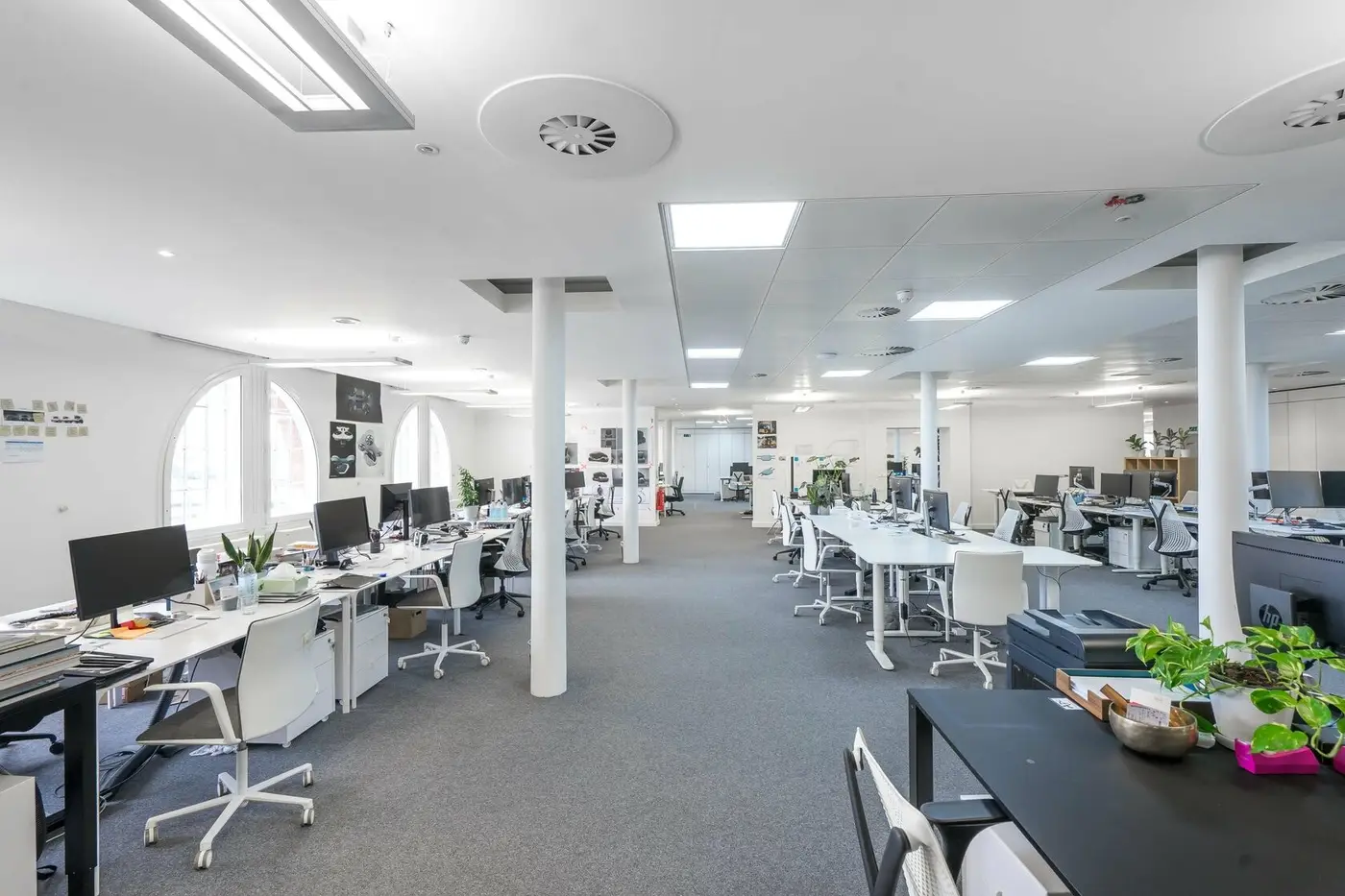
The best office fit-out company in London for you is the one whose size, delivery model and track record match your floor, your deadline and your budget, not the one at the top of someone's list. Shortlist on seven things: offices like yours actually delivered, who designs and who builds, whose people are on site, how they handle landlord consent and occupied buildings, a price you can compare, the named team, and aftercare.
We are an office fit-out contractor ourselves, so read this with that in mind. We have tried to write the guide we would want a client to read before calling anyone, including us, and we say plainly below when another type of firm will serve you better.
Why "best" depends on the job
A 300 sq m Cat B fit-out for a growing team, a 1,500 sq m refurbishment in a building full of tenants and a multi-floor headquarters are three different buying decisions. The firms that are excellent at one are often average at the others, simply because of how they are set up.
| Your project | The type of firm that usually suits it |
|---|---|
| Large headquarters, several floors, global brand standards | A national or international fit-out firm with a big delivery team |
| Mid-size office with a hard move-in date | A design and build fit-out contractor with its own site teams |
| Simple redecoration, new carpet, a few partitions | A reliable general builder or decorator |
| A design-led office where the concept matters most | A design studio, then a builder chosen by tender, or a design and build firm with in-house designers |
| Landlord upgrading floors to let (Cat A) | A contractor that understands letting, landlord standards and programme to the lease |
Start with the row that describes you. It narrows the field faster than any ranking.
The 7 checks that actually separate office fit-out companies
1. Offices like yours, delivered and handed over
Renders and mood boards prove someone can draw. Ask for completed offices of a similar size and complexity, with floor area, programme and value, and ask to speak to the client. If the company's best examples are all homes, shops or much smaller units, it is learning on your project.
2. Who designs and who builds
With a design studio you buy the design, then tender the build. With design and build, one company is responsible for both under one contract. Neither is wrong, but the gap between designer and builder is where most disputes start: the drawing that cannot be built for the price, or the price that assumed a different drawing. Our guide to design and build vs traditional procurement explains who carries that risk in each route.
3. Whose people are on site
Many fit-out companies manage subcontractors for every trade. That can work well, but it means the people fixing your ceilings and partitions do not work for the company you signed with. Ask what share of the labour is directly employed, and which trades are subcontracted. At Craftex around 70% of the labour is in-house.
4. Landlord consent, building rules and the Cat A / Cat B line
In London most offices are leased, so almost every fit-out needs the landlord's written consent, usually a Licence for Alterations, plus the building manager's rules on working hours, deliveries and noise. Building Regulations still apply inside a tenancy. A good fit-out company prepares the consent pack early and builds it into the programme. Read what a Licence for Alterations involves, the building regulations for an office fit-out and Cat A vs Cat B fit-out.
5. Occupied buildings and hard deadlines
Most office fit-outs run against a lease date or a move date, often in a building where other tenants are working. Ask how the company has handled night and weekend working, deliveries and noise in an occupied building, and what happened the last time a programme slipped.
6. A price you can compare
A low headline price full of provisional sums is not a low price. Give every company the same brief, ask them to price the same scope, and compare what is excluded as carefully as what is included. If you want to see how the number is built, ask whether a detailed cost plan priced unit by unit is available.
7. The named team and what happens after handover
Ask who will run your project day to day, how many other jobs they are running, and who you call in the first month after you move in. A strong board means little if your office is handed to someone in their first year.
How the main types of office fit-out company compare
These are typical patterns, not rules. Every type has excellent and poor firms in it, so use the table to know what to ask, not to rule anyone out.
| What matters | National fit-out firm | Boutique fit-out specialist | General builder | Design studio + tendered builder | Craftex |
|---|---|---|---|---|---|
| Similar offices delivered | Large portfolio, often big floorplates | Strong in its niche | Varies, often residential-led | Design portfolio; build record sits with the builder | Beaumont House, Portsoken House (below) |
| Design and build in one contract | Usually | Usually | Rarely designs | No, two appointments | Yes, in-house design and construction |
| Own labour on site | Mostly managed subcontract | Mixed | Often own general trades | Depends on the builder | Around 70% in-house |
| Landlord consent and Cat A / Cat B | Established processes | Usually good | Varies | Designer prepares the pack | We prepare and manage it |
| Occupied buildings, tight deadlines | Strong on long programmes | Varies | Less common | Depends on the builder | Night and weekend working; three-week Beaumont programme |
| Price structure | Detailed; overheads reflect size | Varies | Simple, scope gaps common | Two fees and a tender | Lump sum; detailed cost plan if commissioned |
| Typical project size | Larger, multi-floor | Small to mid-size | Small works | Design-led, any size | £100,000 to £10M+ |
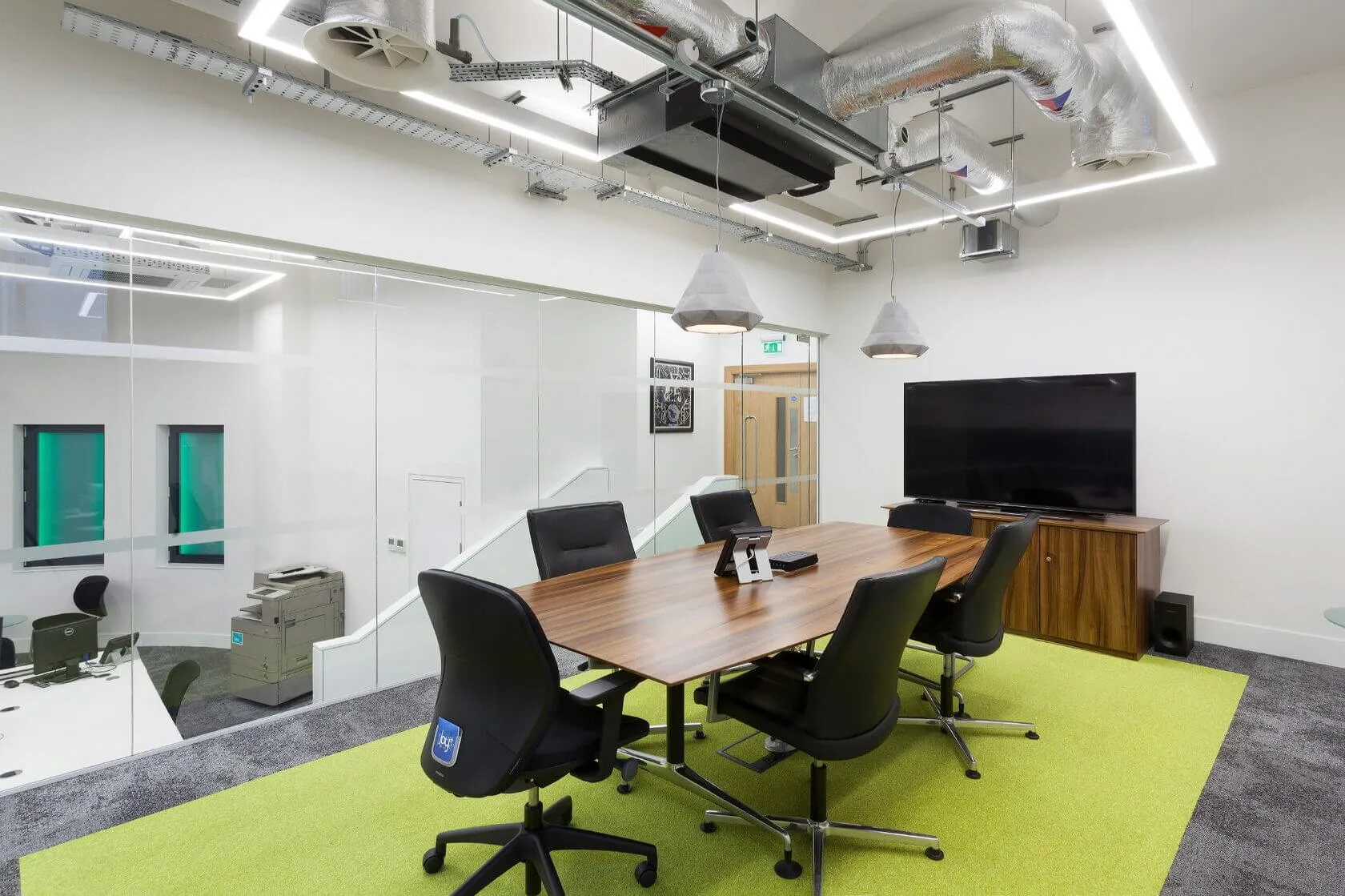
Where Craftex is not the right fit
Being honest about this saves everyone time.
- Projects under about £100,000. We typically work on projects from £100,000. For a light refresh, a good local builder or decorator will give you better value.
- Furniture-only moves. If you need new desks and chairs and no building work, go straight to a furniture dealer or relocation company.
- Global roll-outs under one framework. If your fit-out is one of many across several countries under a single international supplier agreement, a firm with offices in those countries is the natural choice.
- A design competition first. If you want several studios to compete on the concept before anyone prices the build, appoint a designer first. We are happy to price the build when it goes to tender.
The team behind a Craftex office fit-out
You are not hiring a logo. These are the people who run our office projects. Where we mention earlier work, it is their previous career, not Craftex projects.
- Joe Crawford, Operations Director. 37 years on the commercial and operational side of construction. Before Craftex his projects ranged from £100K to £135M, including the fit-out of Dior's flagship store on Bond Street.
- Konstantin Jegorovs, Projects Director. 16 years in the retail and commercial sector, a construction management graduate of Oxford Brookes. Previously led flagship projects of up to £5 million and complex fit-outs of occupied commercial office premises.
- Martin Hickey, Preconstruction Director. More than 50 years in construction, from labourer to site manager to running his own company and then contracts management. At Craftex he is responsible for preconstruction and project management.
- Rafael Porzycki, Head of Design & Planning. 15 years' experience. He leads our in-house design and planning, so the people who draw your office sit in the same company as the people who price and build it.
- Sviatoslav Jerdetchii, CEO & Founder. Started as a demolition labourer and carpenter on London sites, with a degree in mechanical engineering, and founded Craftex in 2016.
For landlords fitting out floors to let, our Development Director Rob Barton adds the investor's view of the brief: what the fit-out does to rent, void period and value. Before joining Craftex he was a Regional Managing Director at Berkeley Homes and held Managing Director and Land Director roles at plc housebuilders including Countryside and St Modwen, delivering more than 4,000 homes. See our guide to value-add commercial refurbishment.
Two London offices, with the numbers
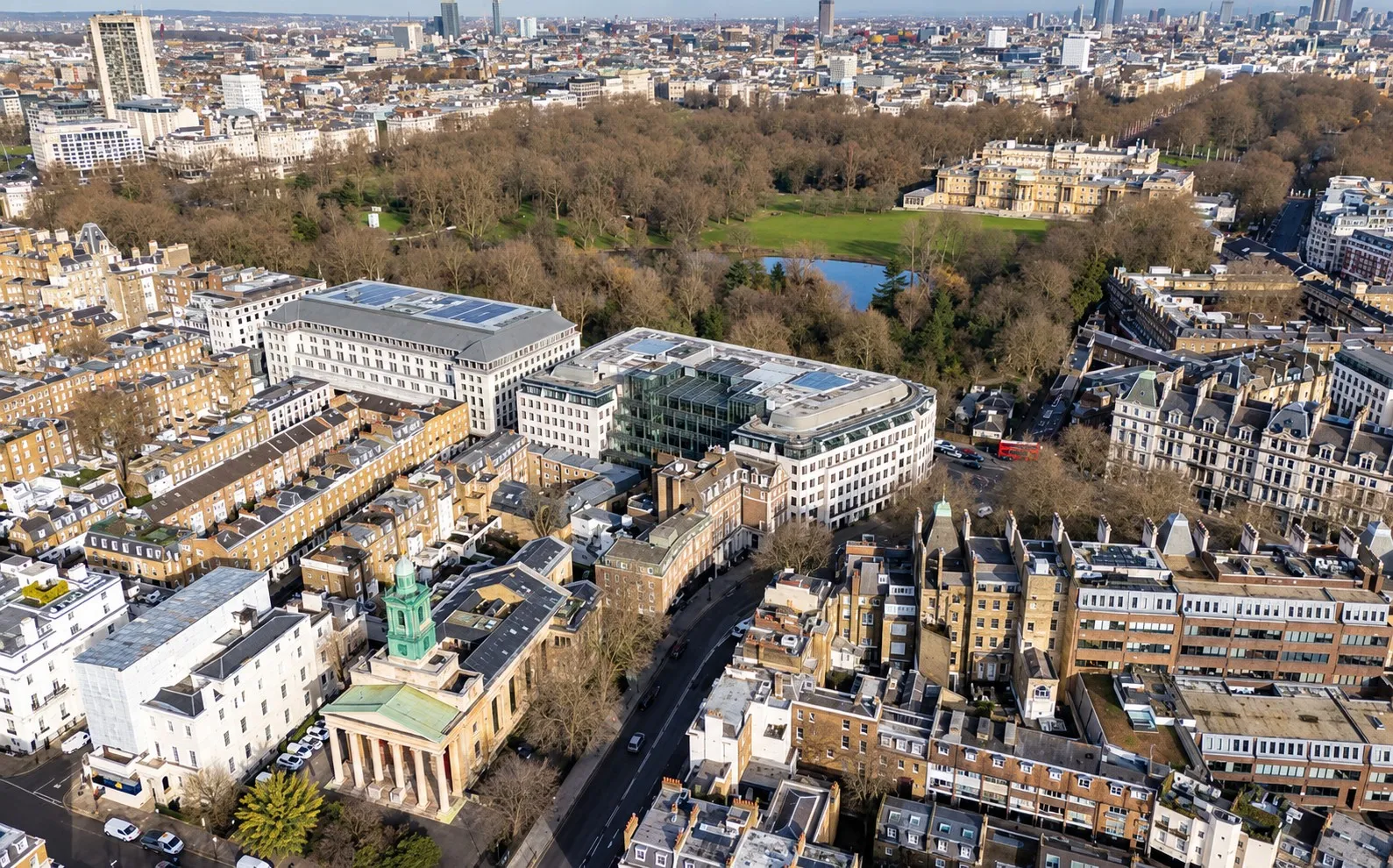
Beaumont House, High Street Kensington. The client had five weeks before their lease expired and more than 150 staff to move. Other contractors had quoted at least 12 weeks. We were on site two weeks after first contact and refurbished 750 sq m into an open-plan office in three weeks, with zero snags, then managed the move. Project value £350K. The same client then appointed us for a second refurbishment in the building, valued at £1.3 million.
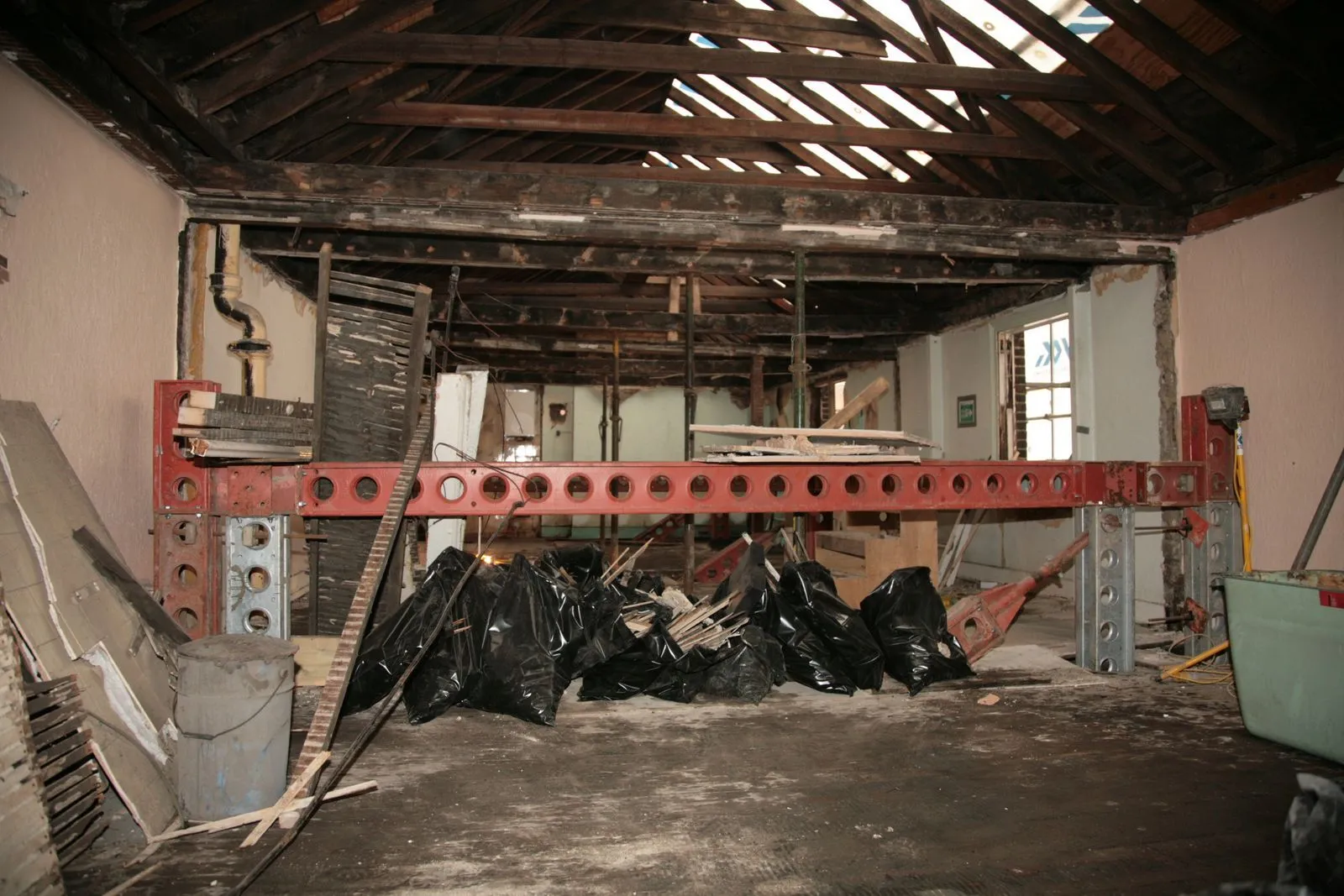
Portsoken House, Aldgate. An abandoned warehouse turned into 1,550 sq m of premium offices over two floors, designed in-house, with a full mechanical and electrical package. The rest of the building was already let, so we worked nights and weekends. Seven months, £2.2M. The reception followed: 70 sq m rebuilt in 12 weeks, overnight, with no disruption to tenants.
Questions to ask every company on your shortlist
- Which three completed offices are most like ours, and can we speak to those clients?
- Who is responsible for the design, and who carries the risk if the design and the price do not match?
- What share of the labour on site will be your own people?
- Who prepares the landlord's consent pack, and how long has it taken on recent jobs?
- What is excluded from your price, and what is still a provisional sum?
- Who is our project manager, and how many other projects are they running?
- What happens if we find a defect three months after moving in?
If a company answers all seven clearly and in writing, it is worth a place on your shortlist, whoever it is. For more on the selection process, see how to brief a contractor for a commercial project and our office fit-out service.