Landlord Fit-Out Contributions: How Tenant Incentives Really Work
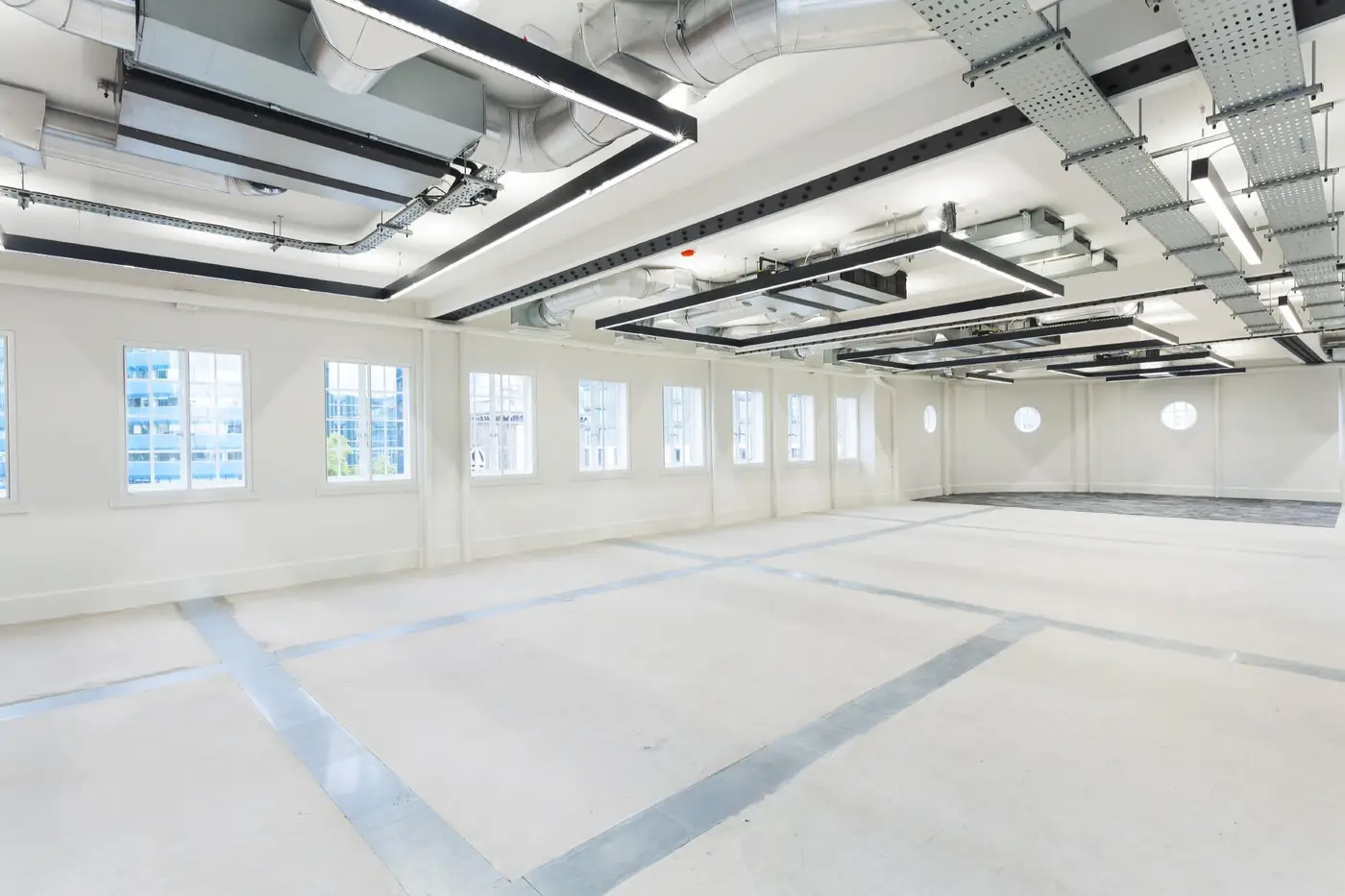
A landlord fit-out contribution is money, or work, a landlord provides to help a new tenant fit out commercial premises, as an incentive to sign the lease. It comes in three main forms: a rent-free period, a capital contribution paid towards the tenant's own fit-out, or landlord's works, where the landlord upgrades the space (often to Cat A or Cat A+) before the tenant moves in. Each has a different effect on the tenant's cash flow, tax and risk.
Negotiate the form as hard as the amount. The same headline incentive can be worth very different sums to your business.
The three forms of fit-out incentive
| Rent-free period | Capital contribution | Landlord's works (Cat A / Cat A+) | |
|---|---|---|---|
| What you get | Months with no rent | Cash towards your fit-out | A finished space, built by the landlord |
| When you get it | Over the early lease term | Usually on completion of your works, against evidence | Before you move in |
| Who controls the works | You | You | Landlord |
| Cash flow for tenant | Fit-out funded upfront by you | Fit-out funded upfront, reimbursed later | Little upfront cost |
| Main tax point (tenant) | No reverse premium: no money changes hands | Usually a reverse premium unless it reduces your capital allowances claim | Generally no reverse premium where it makes the building ready to let |
| Main risk | You fund the whole fit-out | Conditions, timing and clawback | Specification may not suit you; you may strip it out |
A common deal combines them: the landlord delivers Cat A, adds a contribution towards Cat B, and gives a shorter rent-free period.
Landlord's works: Cat A, Cat A+ and "plug and play"
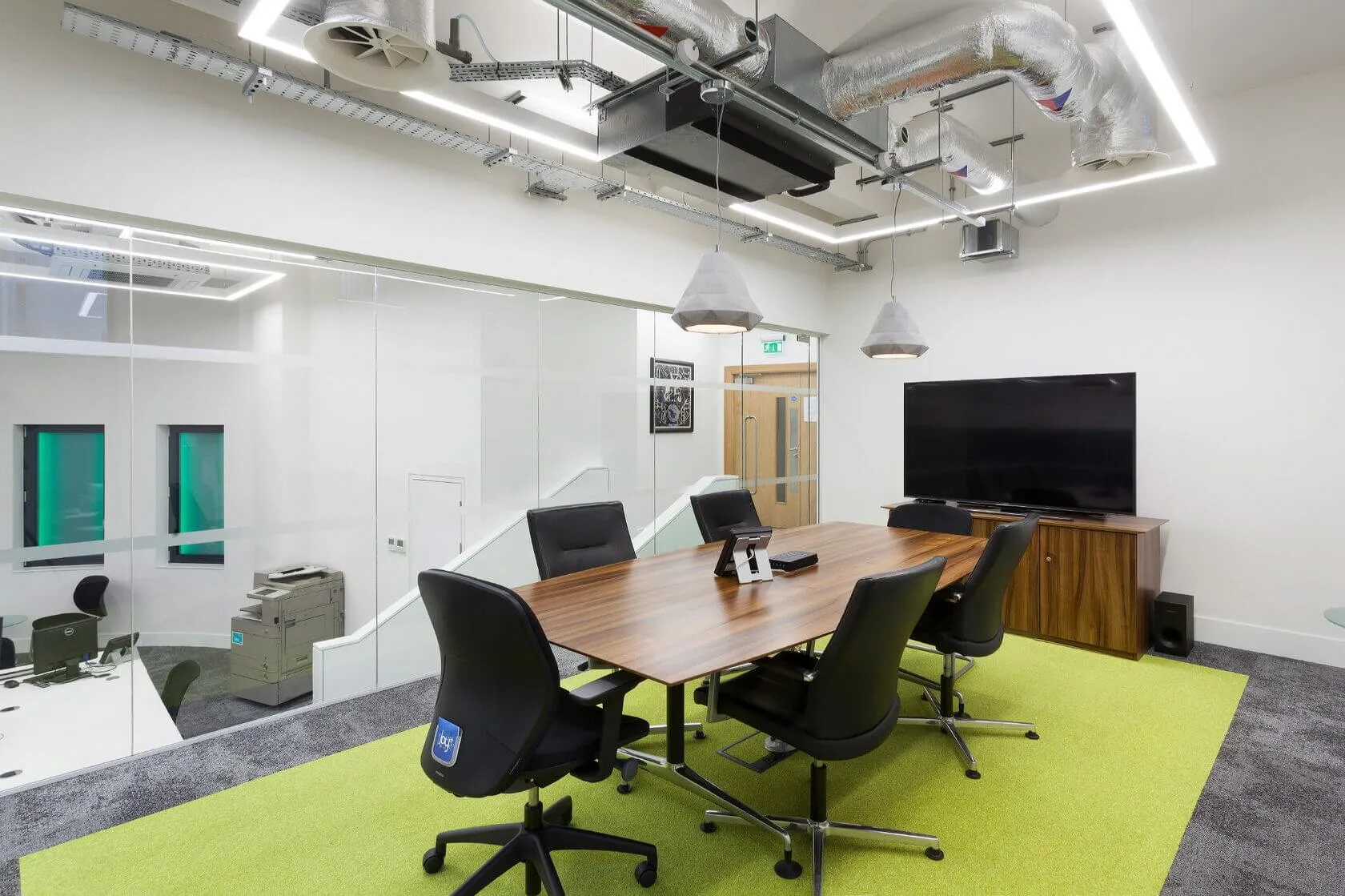
Most London office landlords offer floors at Cat A: raised floors, suspended ceilings, lighting, heating and cooling and finished toilets, but no partitions, kitchens or furniture. Cat A+ goes further, with meeting rooms, a kitchen and sometimes furniture, so a tenant can move in with little or no work.
Cat A is a sensible starting point when you'll do your own fit-out. The catch: if your layout needs the ceilings, lighting or cooling changed, you may pay to strip out part of what the landlord just paid to install. Ask to see the Cat A specification before agreeing the incentive, and ask whether the landlord will hold back items you don't want in exchange for a larger contribution. The differences are explained in Cat A vs Cat A+ vs Cat B.
How a capital contribution is usually paid
Landlords rarely hand over cash on day one. Expect:
- Conditions. The lease completed, the licence for alterations granted, and the works done to an approved specification.
- Evidence. Invoices, a practical completion statement, sometimes a surveyor's sign-off.
- Timing. Payment on completion of the works, or in stages against certified progress.
- A cap. The lower of an agreed sum and the actual cost of agreed items.
- Clawback. Repayment of part of the contribution if you exercise an early break or the lease ends early.
For your budget, the key point is cash flow. Your contractor needs paying during the works, and the landlord's money usually arrives after. Plan the funding gap.
What the RICS Code expects in heads of terms
The RICS Code for Leasing Business Premises, mandatory for RICS members on most business leases in England and Wales since 1 September 2020, requires heads of terms to cover, among other things, rent-free periods and incentives and alteration rights, fit-out and reinstatement. If your heads of terms are silent on any of these, ask why.
Three questions to settle at heads of terms, not at lease engrossment:
- Which works you can do without consent, and which need a licence.
- What you must reinstate at the end of the lease, and whether the landlord's works count as yours for reinstatement.
- Whether the contribution is tied to specific items (for example, M&E only).
Our guides to the licence for alterations and to dilapidations cover the consent and exit sides.
Tax, VAT and CIS: the questions for your adviser
The tax treatment depends on the form of incentive and how it's documented. These are the points HMRC's guidance raises; take advice on your own deal.
Reverse premiums (tenant). HMRC treats a landlord paying for a tenant's fitting-out costs as a reverse premium, whether paid to the tenant or straight to the contractor. A reverse premium is generally taxed as income, spread over the lease under accounting rules. It isn't a reverse premium where the works make the building ready to let, and the reverse premium rules don't apply where the contribution instead reduces the tenant's capital allowances claim. A rent-free period is not a reverse premium, because no money changes hands.
Capital allowances. Under the Capital Allowances Act 2001, a business can't claim allowances on expenditure met by someone else's contribution, and in some cases the contributor (here the landlord) can claim instead. So a contribution can reduce the allowances you'd otherwise claim on your M&E and fit-out. Our guide to capital allowances on commercial property explains the main reliefs.
VAT. HMRC's position, following the Mirror Group case, is that most reverse premiums are outside the scope of VAT, because a tenant who simply takes a lease and pays rent supplies nothing in return. It becomes taxable where the tenant provides a specific benefit to the landlord beyond normal lease obligations, such as acting as an anchor tenant.
CIS. Since 6 April 2024, a landlord's payment to a tenant for construction works agreed in connection with a lease, where the works are done by or for the tenant and are mainly for the tenant's benefit, falls outside the Construction Industry Scheme. Payments for landlord's works carried out by the tenant are different and can still fall within CIS.
Who should carry out the works?
| Landlord's contractor | Tenant's contractor | |
|---|---|---|
| Specification | Landlord's standard | Built around your layout |
| Programme | Landlord's timetable | Yours, once the licence is granted |
| Abortive work | Risk of stripping out unwanted Cat A | None if you start from shell or Cat A with holdbacks |
| Single point of responsibility | Split between two contractors | One team for Cat A changes and Cat B |
| Defects | Landlord's warranty | Your contractor's |
On many projects the cheapest overall answer is a reduced landlord's works package plus a larger contribution, with one contractor delivering everything the tenant needs.
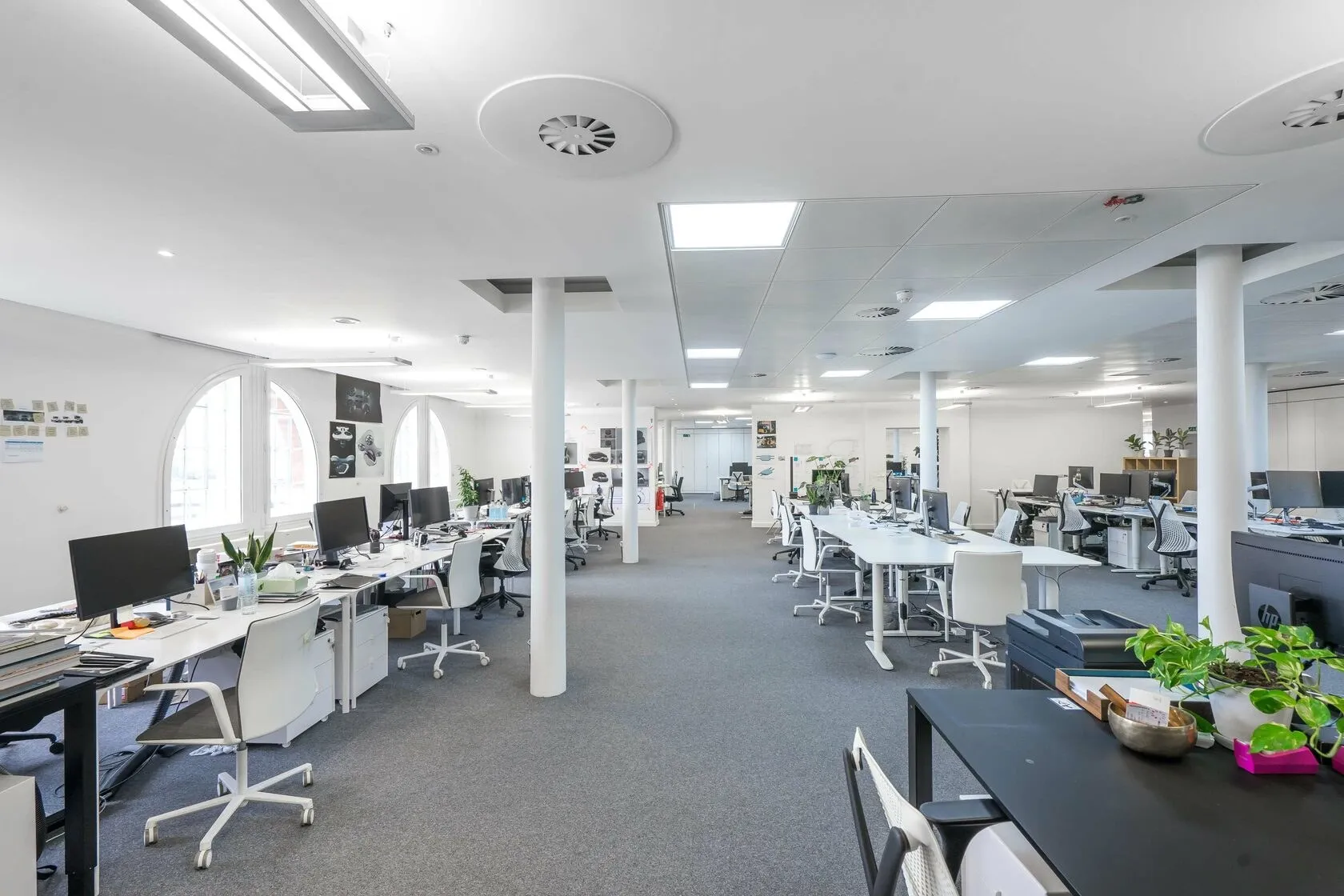
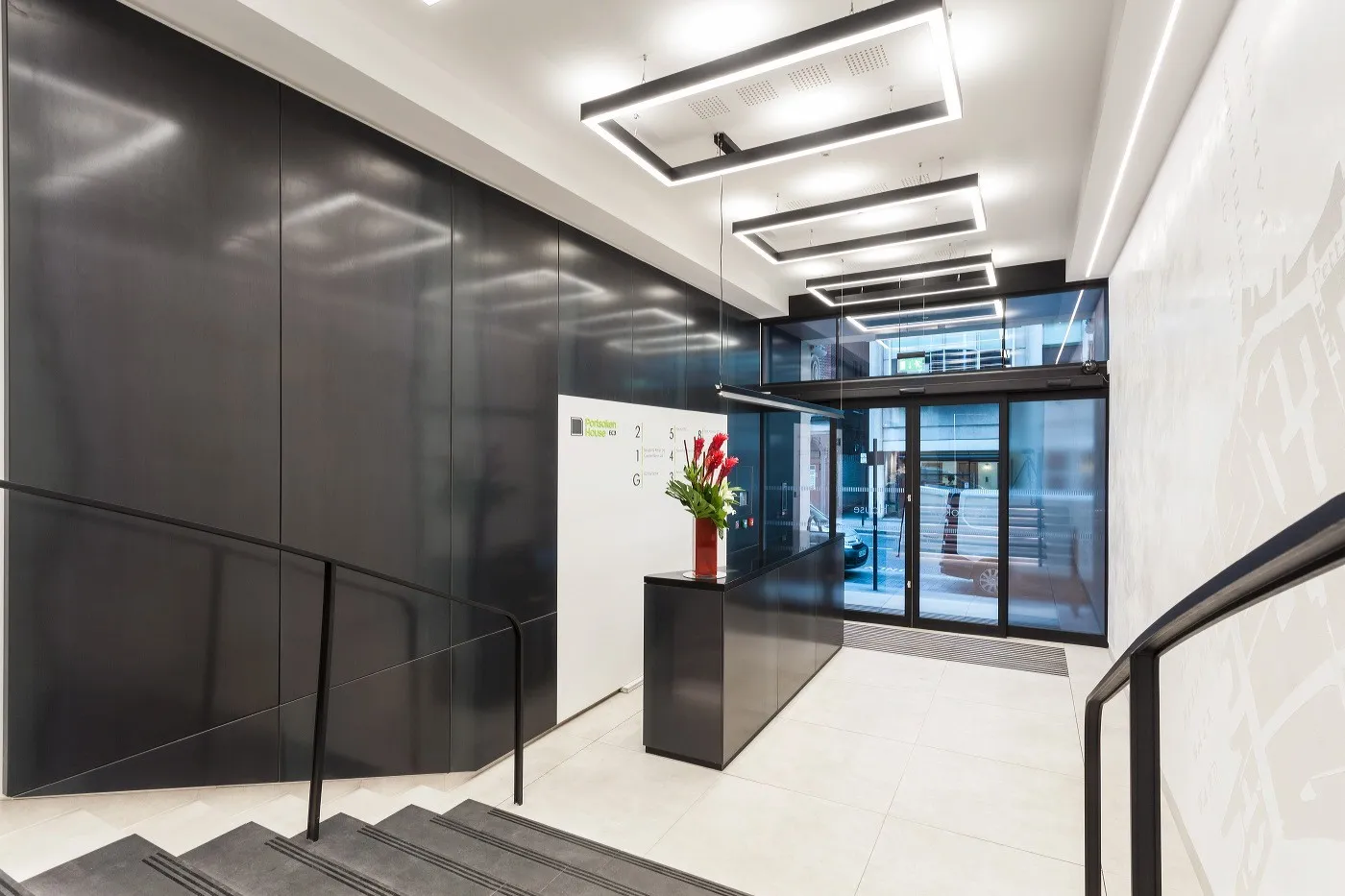
At Portsoken House in Aldgate, we refurbished offices on the second and eighth floors while the rest of the building was already let, working nights and weekends where needed, then rebuilt the reception. In a multi-let building, the landlord's rules on access, noise and working hours shape the fit-out as much as the design does.
Tenant's checklist before you agree the incentive
- Compare rent-free, contribution and landlord's works on cash flow and tax, not just headline value.
- Read the Cat A specification against your layout.
- Ask for holdbacks of landlord's works you'll strip out.
- Fix the contribution's conditions, timing, cap and clawback in heads of terms.
- Agree reinstatement for both landlord's and tenant's works.
- Plan the funding gap between paying your contractor and receiving the contribution.
- Take tax advice on reverse premium, capital allowances, VAT and CIS before signing.
- Get a contractor's cost and programme before you negotiate, so you know what the incentive must cover.
That last step is where we help. We price and deliver office fit-outs and commercial fit-outs and refurbishments in leased buildings across London, from Cat A changes to Cat B.
Negotiating a lease and need to know what the fit-out will cost? Book a free site audit, or download our fit-out guide.