Planning Appeals in London: A Guide for Owners and Developers
If a London council refuses your planning application, imposes conditions you can't accept, or doesn't decide in time, you can appeal to the Planning Inspectorate. For most applications the deadline is six months from the decision; for householder and minor commercial applications it's 12 weeks.
The rules changed for applications made on or after 1 April 2026. Most of those appeals now follow an expedited written procedure where you can't add new evidence the council didn't see. That makes the application itself your appeal case, and it changes when an appeal is the right move at all.
Appeal or resubmit?
Before anything else, decide which route gets you a consent soonest.
| Situation | Usually better to |
|---|---|
| The refusal turns on a point you can fix with design changes or a new report | Amend and resubmit (the Inspectorate's own guidance says so) |
| The refusal is a judgement you think is wrong (design, heritage, amenity) and your application already made the full case | Appeal |
| Committee refused against the officer's recommendation for approval | Appeal is often strong; read the minutes closely |
| You can't accept a condition | Appeal against the condition, or apply to vary it under section 73 |
| The council has run out of time and won't agree an extension | Appeal for non-determination, or keep negotiating |
Our planning consultancy team starts every refused scheme the same way: read the reasons, check them against policy and the officer's report, then decide between amending and resubmitting or appealing.
Deadlines
These are the Planning Inspectorate's time limits for appeals on applications made on or after 1 April 2026. Miss them and the appeal won't be accepted.
| Appeal | Deadline |
|---|---|
| Refusal of a householder application | 12 weeks from the decision notice |
| Refusal of a minor commercial application (ground-floor shopfront-type works) | 12 weeks from the decision notice |
| Householder or minor commercial: conditions you object to | 6 months from the decision notice |
| All other planning applications, including change of use and new homes (refusal or conditions) | 6 months from the decision notice |
| Non-determination (council didn't decide in time) | 6 months from the end of the council's decision period |
| Advertisement consent | 8 weeks |
| Where an enforcement notice covers the same development | Can be as short as 28 days |
The council's decision periods are 8 weeks for most applications, 13 weeks for major development and 16 weeks where an environmental impact assessment is needed, unless you agree a longer period in writing.
If you don't own the whole site, you must notify every owner (and any agricultural tenant) of your intention to appeal within the 21 days before you submit.
The April 2026 change: no new evidence
For appeals on applications made on or after 1 April 2026, the Inspectorate's guidance says:
- Most section 78 appeals follow the "Part 1" written representations procedure.
- You can't submit evidence the council didn't consider, unless there has exceptionally been a material change in circumstances since the decision.
- Interested people can't comment at the appeal stage. Their comments on the application are passed to the Inspector.
- If you think a new report or an amended scheme would overcome the refusal, the guidance says to submit a revised application instead.
- If you're offering a planning obligation (for example a unilateral undertaking for a Section 106 contribution), a completed copy goes in with the appeal.
- The Inspectorate decides the procedure and can move an appeal to the Part 2 written procedure, a hearing or an inquiry, or combine procedures.
What this means in practice: the planning application is now the appeal file. Daylight studies, heritage statements, transport notes, viability, fire statements and drainage strategies all have to be complete at submission. A thin application that gets refused can't be rescued with better reports at appeal.
How long an appeal takes
From the Planning Inspectorate's statistical release of 30 July 2026 (12 months to June 2026):
| Procedure | Median time from valid appeal to decision |
|---|---|
| Written representations | 18 weeks |
| Hearings | 23 weeks |
| Inquiries | 26 weeks |
| All cases | 19 weeks |
The mean across all cases was 29 weeks, because long cases pull the average up. 31% of section 78 planning appeals were allowed in April to June 2026. These figures cover appeals on older applications too; the new expedited procedure is designed to be quicker, but there isn't a long run of data for it yet.
Costs
Each side normally pays its own appeal costs. Costs can be awarded against a party that behaves unreasonably and causes the other side unnecessary expense: for example, a council refusing on a ground it can't substantiate, or an appellant pursuing an appeal with no reasonable prospect. Applications for costs use the Inspectorate's template. Read the costs guidance in the Planning Practice Guidance before you appeal, not after.
After the decision
The Inspector's decision is final on the planning merits. A challenge in the High Court is possible only on a point of law, within six weeks of the decision. If the appeal is dismissed, the Inspector's reasoning is still valuable: it tells you exactly what a revised scheme has to fix.
London-specific points
- The Mayor's role. Large schemes are referable to the Mayor of London, who can direct refusal or take over the application. The 2026 emergency package for London housebuilding set out wider call-in powers for the Mayor, through secondary legislation timed for May 2026.
- Conservation areas and listed buildings. A large share of central London refusals turn on heritage. Listed building consent appeals follow the same deadlines and procedures.
- Daylight and sunlight. A frequent reason for refusal on dense sites. The study needs to be in the application, not saved for appeal. Rights of light are a separate legal question; see our guide to right to light for London developers.
- Affordable housing and viability. For major residential schemes, the London Plan's threshold routes (and the time-limited 20% route for applications validated by 31 March 2028) often decide whether a refusal can be overturned or a resubmission is better. See CIL and Section 106 explained.
Build the application like an appeal
The best protection against a refusal, and the best appeal if one comes, is the same thing: a complete, well-evidenced application.
- Test the scheme before you draw it. A development feasibility and site appraisal checks policy, heritage, daylight, access and the numbers before the design is fixed.
- Use pre-application advice to surface the council's objections early.
- Submit every report the scheme needs, even where the validation list doesn't insist.
- Answer every policy in the planning statement, especially the ones you're departing from.
- Keep a record of meetings and officer feedback; it matters for costs and for committee.
- Decide your fallback before the decision: what you would change, and what you would defend.
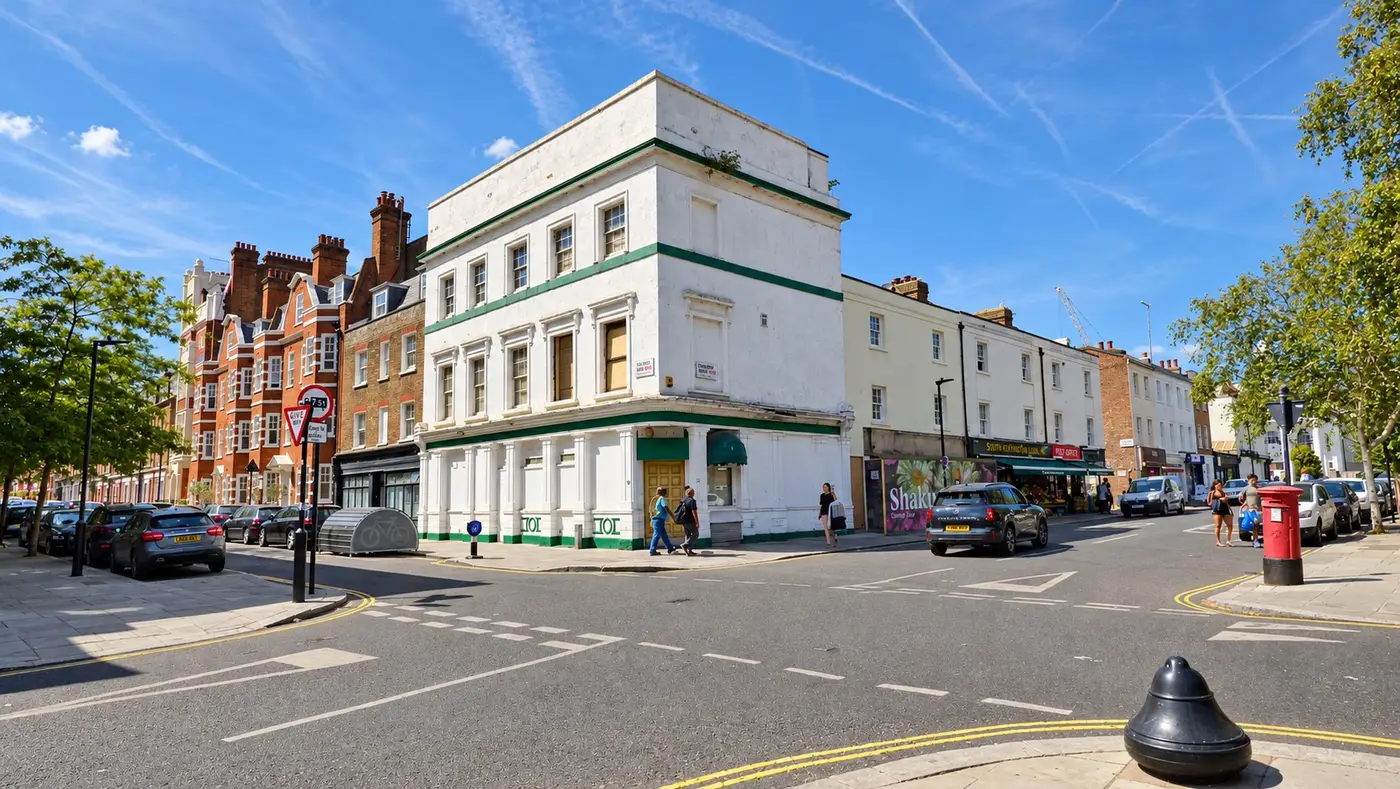
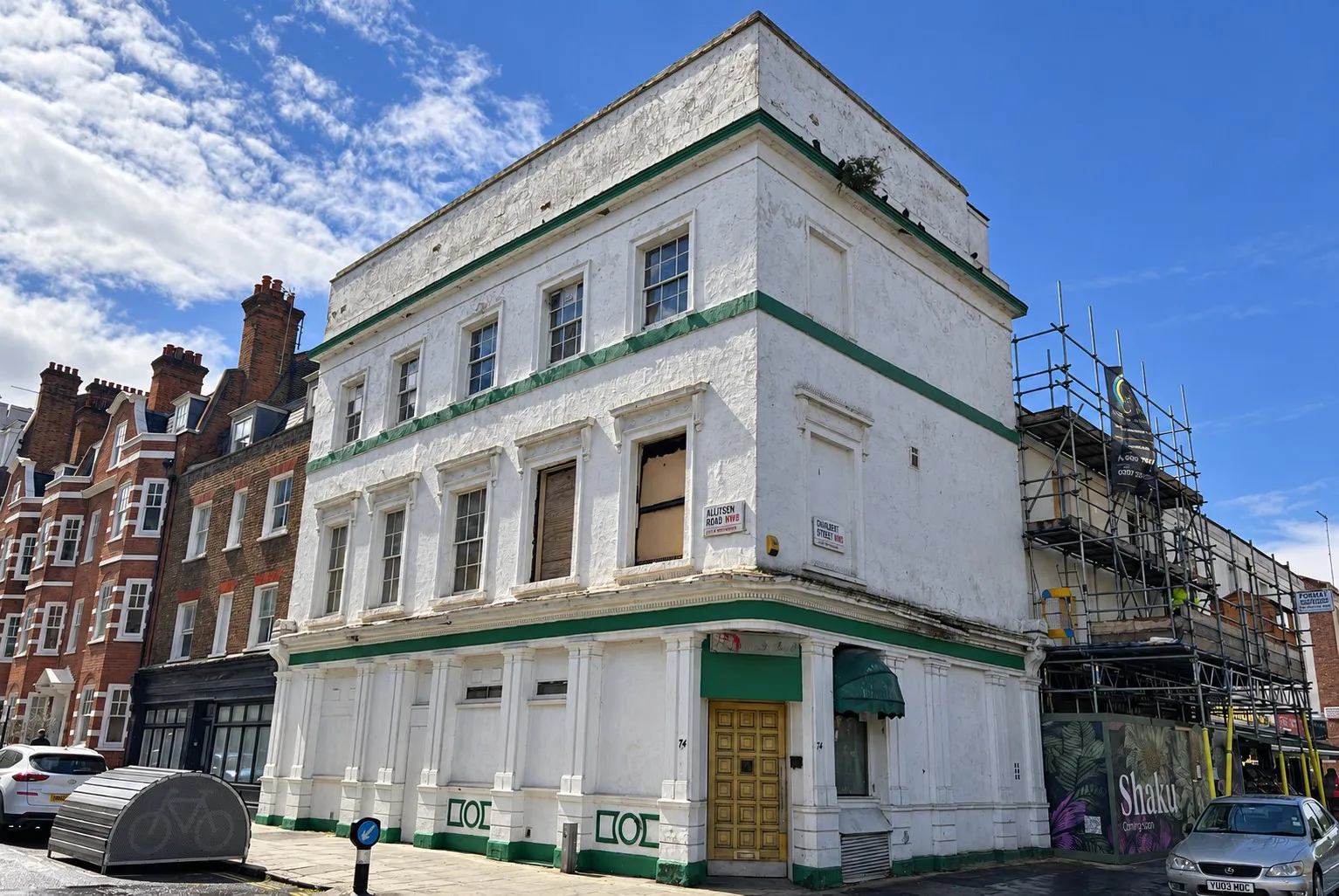
At 74 Allitsen Road in St John's Wood, a vacant corner building in a conservation area opposite two Grade II listed properties, four design options were developed and each tested against the Westminster City Plan, the London Plan, structure and viability before any one was recommended. Choosing the option on planning risk, not just floor area, is what keeps a scheme out of the appeal system in the first place.
For the planning routes themselves, see our planning services and change of use pages. If you're a landowner weighing what consent could add, our land value uplift and planning gain team can show the difference.
Refused, or about to submit? Send us the address and the decision notice or the scheme. We'll tell you how we'd approach it.