Pre-Application Planning Advice in London: Is It Worth It?
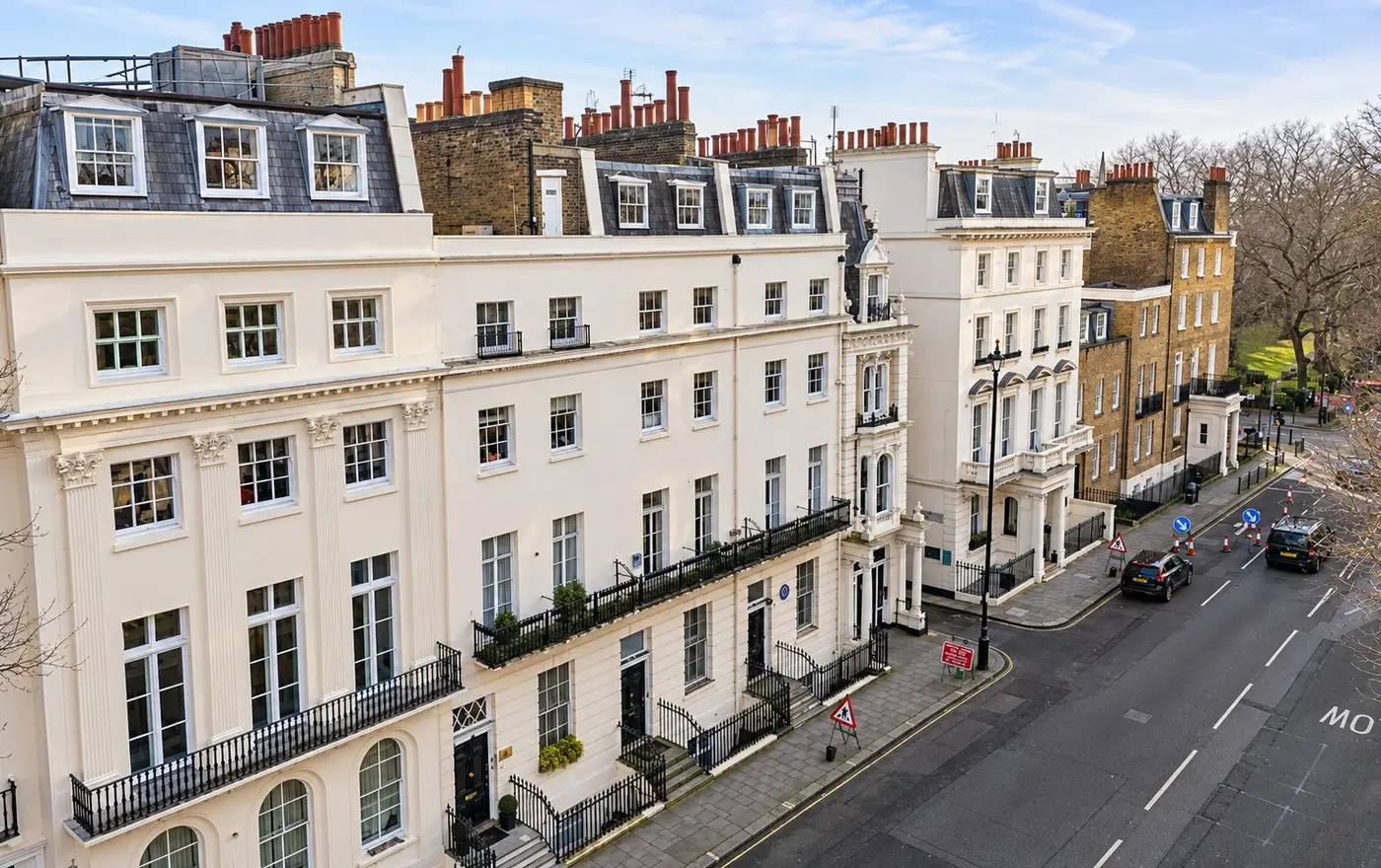
Pre-application advice is the council's informal, written view on your scheme before you submit a planning application. In London almost every borough offers it and charges a fee set by the borough, scaled to the size of the scheme. It isn't binding, and it isn't required. But for anything beyond a routine scheme it's usually worth it, because it tells you what officers will support, what they won't, and what they'll ask for, while changing the design is still cheap.
What you get, and what you don't
You get:
- An officer's view on the principle: is this use, this scale, in this place, acceptable?
- Their concerns on design, height, heritage, neighbours, transport, trees or anything else.
- A list of what the full application will need (reports, surveys, drawings).
- Often, a meeting, and on bigger schemes a series of them with specialist officers.
You don't get:
- A decision. The advice is given in good faith but doesn't bind the council when the application comes in.
- Certainty that other people agree. Neighbours, councillors and consultees haven't been asked yet.
- Design help. Officers react to what you send. They won't design the scheme for you.
Is it worth it? A quick test
Usually worth it when:
- The scheme is bigger than a householder extension, or creates new homes.
- The site is in a conservation area, near a listed building, or in a protected view.
- Policy is open to interpretation: height, density, loss of an existing use, a backland plot.
- You're about to buy or sell the land on the strength of what planning will allow.
- The council has refused something similar nearby.
Often not worth it when:
- The scheme clearly falls within a permitted development right. A Lawful Development Certificate or a prior approval application is the right tool.
- The proposal is a small, policy-compliant change with plenty of precedent on the street.
- You need a decision quickly and the scheme is straightforward. Pre-app adds weeks.
Here's the logic. A pre-app costs a fee and a few weeks. A refused application costs the application fee, the design and report fees behind it, and months, before you even consider an appeal.
How it works, step by step
- Find your borough's pre-app service. Each London borough runs its own, with its own forms, fee scale and service levels. Fees usually depend on the type and size of development, from small householder enquiries to major schemes.
- Prepare the pack. See the checklist below. The better the pack, the more useful the answer.
- Submit and pay. The council confirms it's valid and allocates an officer.
- Meet, if offered. On site or at the council. Bring the person who can change the design, not just the person who can present it.
- Receive the written response. Read it twice. Then read it for what it doesn't say.
- Decide what to change. Revise the scheme, ask for a follow-up meeting, or rethink the route.
Many boroughs aim to respond within a few weeks of a valid request. Larger schemes usually run longer, as a series of meetings.
What to send
A strong pre-app pack is short and specific:
- Site location plan and photographs, including views from the street and neighbours.
- Existing plans and elevations, or at least a measured outline.
- Proposed sketch plans, sections and elevations, at a stage where you can still change them.
- A short statement: what you propose, the uses and number of homes, and why it complies with policy.
- Relevant planning history on the site and comparable consents nearby.
- Your specific questions. "Is a fourth storey acceptable if set back?" gets a better answer than "please comment".
Don't over-design it. A fully detailed scheme invites detailed objections, and you'll have spent money on drawings you may have to redo.
Bigger schemes: PPAs, design review and the Mayor
As schemes grow, pre-app becomes a process rather than a letter.
- Planning Performance Agreements (PPAs). A paid agreement with the council setting out meetings, timescales and resources for the pre-app and application stages. Common on major schemes.
- Design review. Many boroughs refer significant schemes to an independent design review panel before submission.
- The Mayor of London. Larger schemes are referable to the Mayor, for example those with 150 or more homes or buildings over 30 metres high outside the City of London. The Greater London Authority runs its own pre-application service for them.
- Community engagement. For bigger schemes, councils expect you to talk to neighbours and local groups before you submit, and to report what you heard.
How to read the response
Officers write carefully. Some phrases to read closely:
- "Could be supported subject to…" is encouraging, provided you can meet what follows.
- "Concerns regarding…" means fix it, or expect it to be a reason for refusal.
- "Insufficient information to comment" often means your pack didn't answer the hard question. Answer it.
- Silence on a topic isn't approval. It may not have been looked at yet.
One more practical point: assume your pre-app may become public. Many councils publish pre-application advice once an application is submitted, and information requests can reach it. Ask about the borough's confidentiality policy before you send anything sensitive.
Where pre-app fits in the bigger picture
Pre-app is one step in a route that starts earlier. Before you ask the council anything, know what your land could realistically take: see what can I build on my land. And before you design, know whether the scheme makes money: see development appraisal, GDV and residual land value.
Our planning consultancy team takes schemes from strategy and pre-application advice through to a decision, and because we build as well, the scheme officers see is one our own team has priced. Our Preconstruction Director, Martin Hickey, brings more than 50 years in construction to every appraisal. For buildings that may not need full planning, see Class MA and permitted development.
We take development schemes from £3M to £150M GDV.