The Brown Discount: How Inefficient Buildings Lose Value, and What Owners Can Do

The brown discount is the lower rent, lower value and weaker demand that energy-inefficient commercial buildings suffer compared with efficient, well-certified ones. A stranded asset is the extreme case: a building that can't be let, financed or sold at a sensible price because it can't meet legal minimum standards or investors' carbon targets without major work. In England and Wales the legal pressure is the Minimum Energy Efficiency Standards (MEES): EPC E is the minimum today, and the government has proposed EPC B by 2031 for privately rented commercial buildings over 1,000 m².
The discount doesn't wait for the deadline. It shows up whenever a tenant, lender or buyer looks at the EPC.
Green premium, brown discount: the evidence
The clearest London evidence is on rents. A 2021 Knight Frank study of central London office rents, covering around 2,700 buildings and controlling for other property characteristics, found these premiums for BREEAM-certified space:
| BREEAM rating | Rent premium found |
|---|---|
| Very Good | 3.7% |
| Excellent | 4.7% |
| Outstanding | 12.3% |
The flip side is the brown discount: the buildings without those credentials are the ones occupiers walk past. Occupiers with their own net zero targets increasingly rule out inefficient space, and lenders may tighten refinancing terms on lower-rated assets. BNP Paribas Real Estate, citing British Property Federation data in June 2026, reported that up to 81% of commercial buildings in major UK cities sit below EPC B.
Treat the exact percentages as indicators, not valuation inputs. The direction is what matters: the gap between the best buildings and the rest is widening.
Why the discount is growing: the MEES timeline
| Status (October 2026) | |
|---|---|
| EPC E minimum for new lettings and renewals | In force since 1 April 2018 |
| EPC E minimum for all existing lettings | In force since 1 April 2023 |
| EPC C by 2027 | Dropped |
| EPC B by 2031, privately rented non-domestic buildings over 1,000 m², where cost-effective | Proposed in the government's interim response of June 2026; secondary legislation still to come |
| Buildings under 1,000 m² | Stay at EPC E for now |
The seven-year payback test and the exemptions register are being kept. Current legal commentary suggests the 1,000 m² threshold may apply to the whole building rather than to each unit, so a small floor in a large building could still be caught. The full detail, including what the proposals mean for leases, is in our guide to MEES and EPC B for commercial landlords.
A building that will need EPC B by 2031 and can't get there economically is a stranding risk today, because the next buyer will price the works.
How stranding risk is measured
Two tools come up in investor due diligence.
The EPC and its recommendations. The rating, its expiry date and the recommendation report are the legal starting point. An EPC close to expiry is a risk in itself: a new assessment under current methods can come out lower.
CRREM pathways. The Carbon Risk Real Estate Monitor publishes decarbonisation pathways by country and building type, expressed as carbon intensity in kgCO2e per m². Plot a building's actual emissions against the pathway, and the year it crosses the line is its "stranding year". Many institutional investors and lenders now ask for it. A retrofit that cuts emissions pushes the stranding year back.
The owner's options
| Option | When it fits | Watch out for |
|---|---|---|
| Upgrade in occupation | Good location, sound building, tenants in place | Works around tenants; limited to what can be done floor by floor |
| Deep refurbishment at lease events | Vacancy coming up anyway | Void period and holding costs; rent-free to relet |
| Reposition to a new use | Weak office demand, stronger residential, hotel or other use | Planning, viability and conversion costs |
| Redevelop | Building can't be upgraded economically | Planning, embodied carbon policy, time |
| Sell | You can't fund the works or don't want the risk | Buyers price the brown discount in |
The decision is a feasibility question, not a sustainability one. What does each route cost, how long does it take, and what is the building worth at the end?
What the works usually involve
Every building is different, so start with a survey and an energy model, not a list. The measures that typically move an EPC in an older office are:
- LED lighting with controls. Usually the quickest win.
- Heating and cooling. Replacing gas boilers and old air conditioning with heat pump systems, and zoning the controls.
- Ventilation with heat recovery.
- Fabric. Glazing, roof insulation and airtightness, often the costliest and most disruptive.
- Metering and building management. You can't manage what you don't measure.
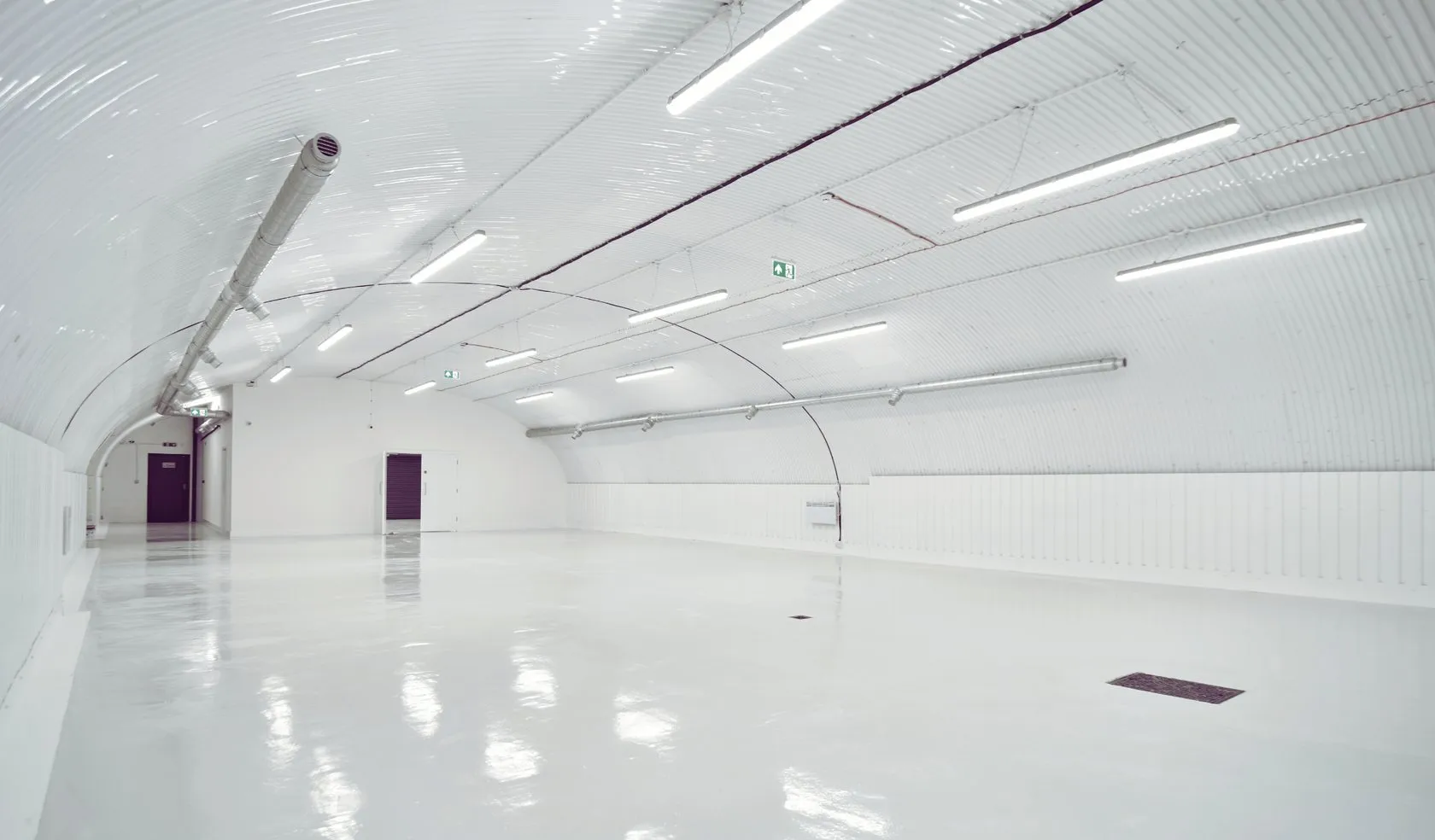
At Drake's railway-arch warehouse, zonal control was designed in to keep running costs down over a five-year tenancy. Small decisions like that show up in the occupier's bills every month, and in the EPC.
Doing the works without emptying the building
The reason many owners delay is the tenants. It doesn't have to stop the work.
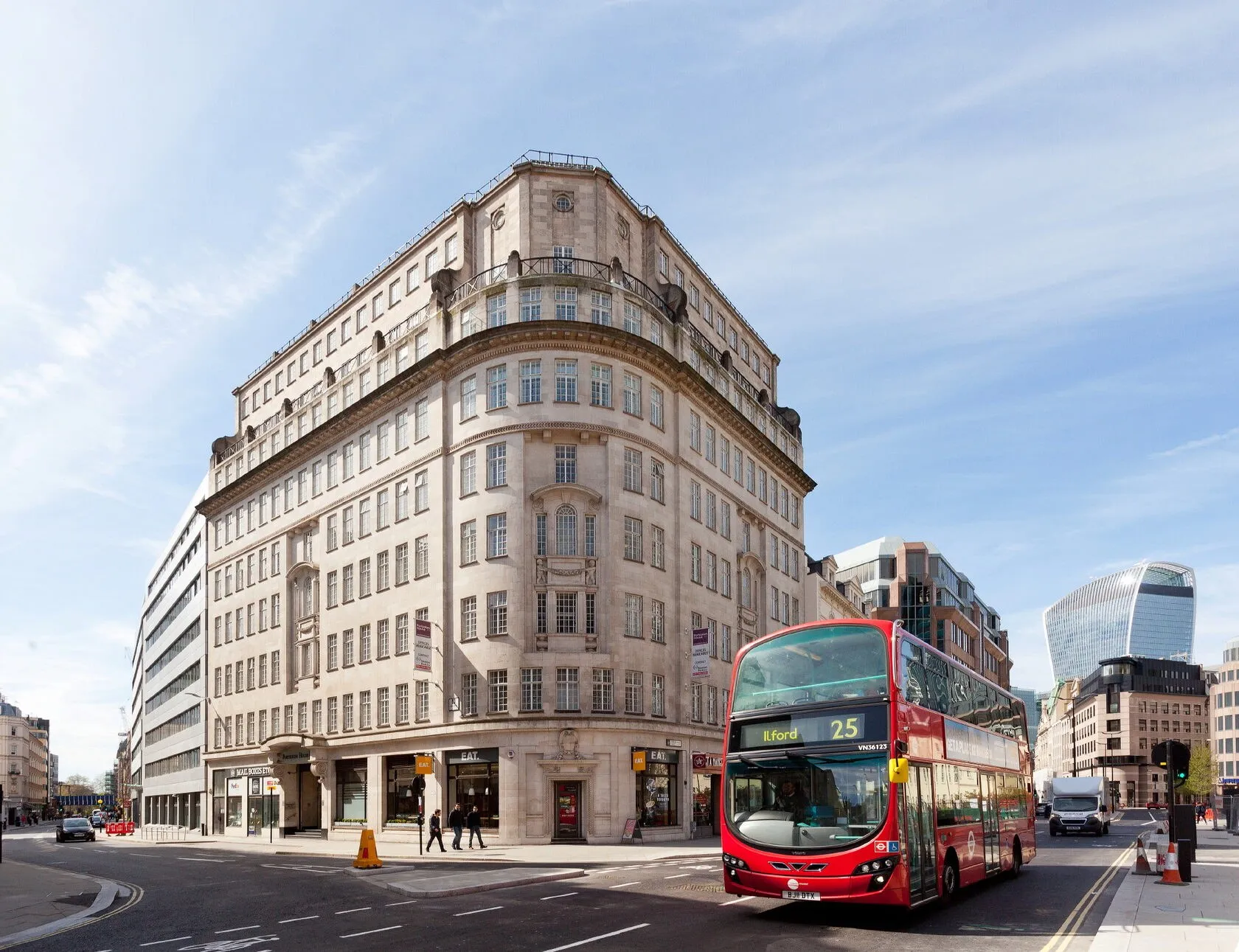
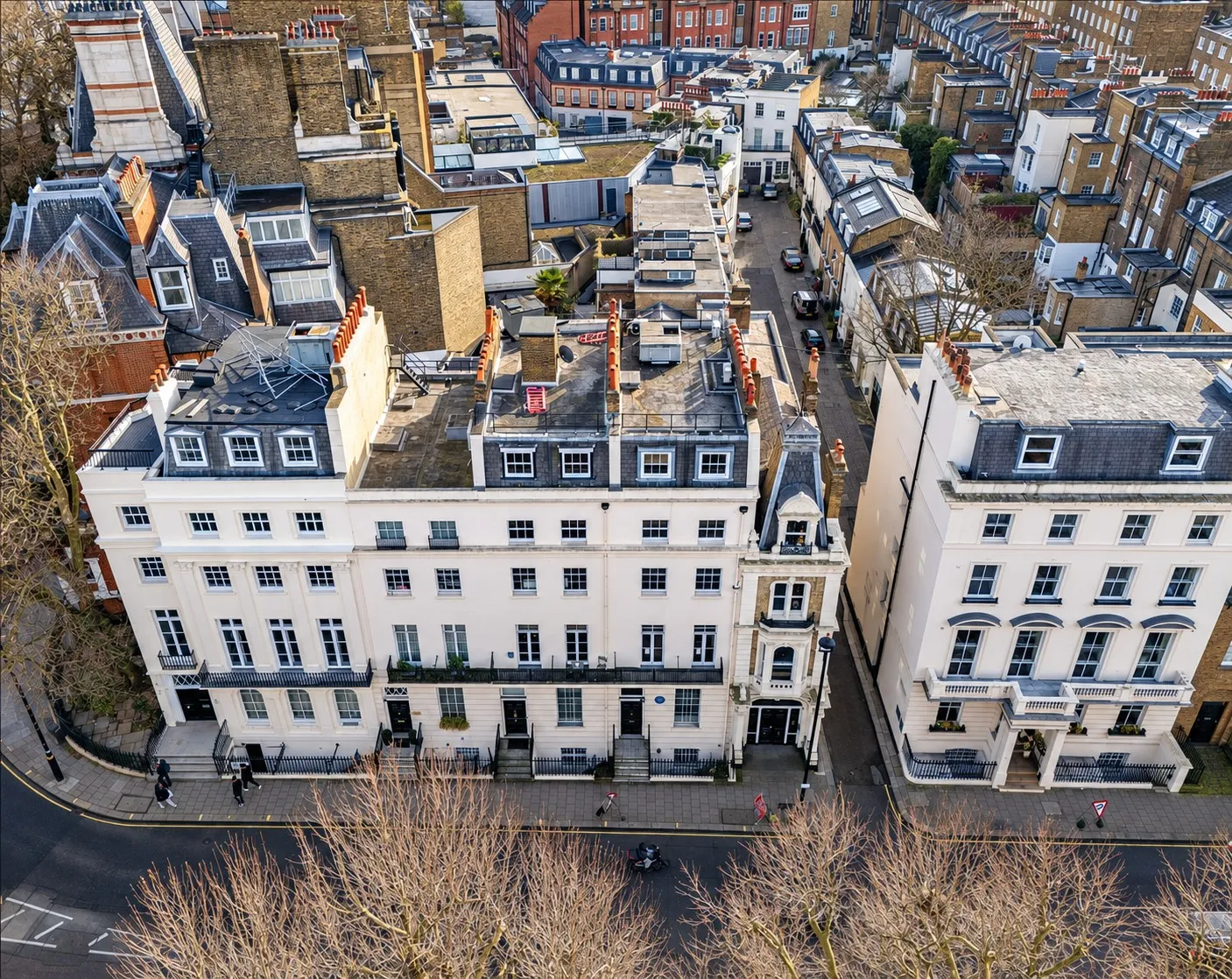
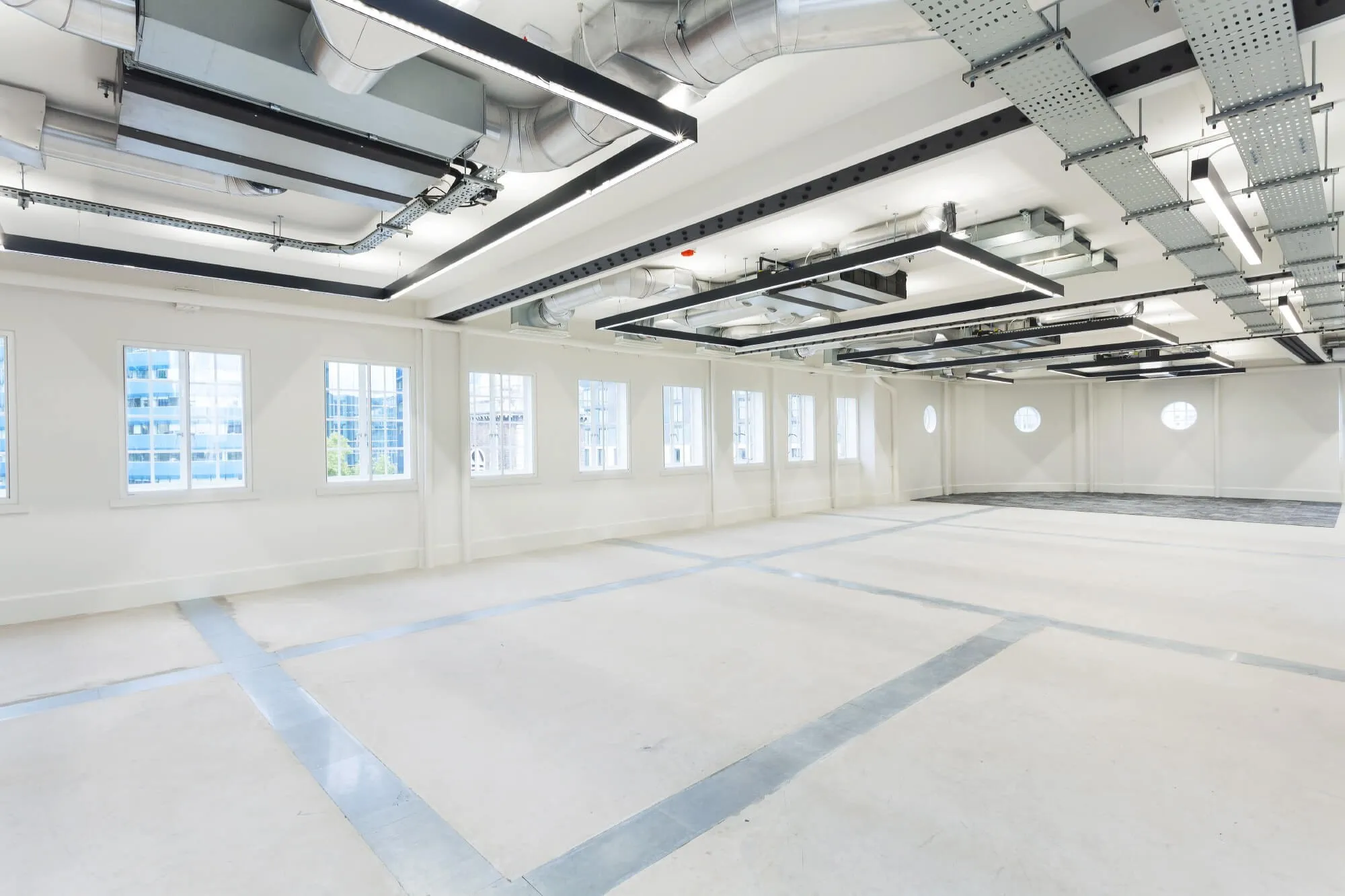
At Portsoken House in Aldgate, an abandoned warehouse became 1,550 m² of offices over two floors in seven months, with a full mechanical and electrical package, new ceilings, levelled floors and a new entrance, while the rest of the building stayed let. At Beaumont House in Kensington we refurbished 750 sq m of offices in three weeks while other businesses in the building kept working. The approach is in our guide to office refurbishment while occupied.
Questions buyers and lenders now ask
If you plan to sell or refinance in the next few years, expect these questions in due diligence. Having the answers ready protects the price.
- What is the EPC rating, and when does the certificate expire?
- Is the building over 1,000 m², and what would it take to reach EPC B?
- What does the recommendation report say, and what has been done?
- What are the actual energy use and carbon emissions, not just the modelled rating?
- Where does the building sit against its CRREM pathway?
- Which leases end or break before 2031, and could the works be done then?
- Is there a costed plan, and who has priced it?
An owner who can answer with a survey, an energy model and a contractor's costed plan is selling a project. An owner who can't is selling a problem, and the buyer will discount for it.
Owner's checklist
- EPC rating, expiry date and recommendation report for every building.
- Gross internal area: above or below 1,000 m²?
- Lease events (breaks, expiries, rent reviews) mapped against 2031.
- CRREM stranding year if your investors or lenders ask for it.
- Survey and energy model before choosing measures.
- Costed options: upgrade, deep refurbishment, reposition, redevelop, sell.
- Works timed to vacancies where possible.
- Exemptions checked, but not relied on as a strategy.
We help owners decide and deliver: sustainable and low-carbon refurbishments, landlord compliance and, where the better answer is a new use, commercial property redevelopment and repurposing. For the investment case, see our guide to value-add commercial refurbishment.
Own a commercial building in London that's falling behind? Send us the address. We'll look at the building and the works it needs.
Get my free site appraisalDownload the free redevelopment guide