For developers and land buyers
Due Diligence When Buying Land for Development: The Checklist We Use

Sviatoslav JerdetchiiCEO & Founder of Craftex. Updated , 5 min read

The short answer
Due diligence when buying land means checking the title, the planning position, the physical site and the real build cost before you exchange contracts.
- Legal: title, covenants, rights of way, boundaries and access.
- Planning: policy, history, any permission, its conditions and its time limit.
- Technical: ground, contamination, flood risk, services, neighbours and access.
- Money: a builder's cost plan and an appraisal that sets your maximum price.
Most bad land deals are not bad luck. The problem was there to be found, but nobody looked in time. A covenant on the title, a lapsed consent, a sewer under the plot, a party wall nobody priced.
This is the due diligence checklist we use when buying land for development, or when a client asks us to check a site. We plan, cost and build London schemes ourselves, so we read a site the way a builder will have to build it.
About to exchange? Book a site visit and we will run the technical and cost checks with you.
Due diligence when buying land: the order matters
Do the cheap checks that can kill a deal first. Spend on surveys and design only once the basics pass.
- Desk checks. Title, planning, designations and flood risk. Mostly free or low cost.
- A site visit with a builder. Access, neighbours, existing structures and obvious abnormal costs.
- Surveys. Ground, contamination, measured survey, utilities, trees and ecology.
- Design options. What can really fit, given everything above.
- Cost plan and appraisal. The real build cost, then the most you should pay.
Legal checks: title, rights and restrictions
Start with HM Land Registry. On the GOV.UK service, a property summary is free and shows the tenure. It also says whether there are restrictive covenants or easements. A title register or title plan costs £7 each to download.
- Title register. Who owns the land, often the price last paid, any mortgage, and the covenants and rights.
- Title plan. The general boundaries. Compare them with what is on the ground.
- Restrictive covenants. Promises not to do certain things, such as not building on part of the land.
- Easements and rights of way. Other people's rights over your land, and your rights over theirs.
- Access. A legal right to get onto the site from a public road, wide enough for what you plan.
- Ransom strips. A narrow strip owned by someone else between your site and the road.
- Leases and occupiers. Anyone with a right to stay.
Online copies are not proof of ownership. Your solicitor will order official copies and the usual searches, including local land charges. These are restrictions the council has registered against the land, such as tree preservation orders.
Planning checks before you buy
Policy and designations
- The local plan and any site allocation.
- Conservation areas, listed buildings, Green Belt, tree preservation orders.
- The council's response to any earlier pre-application request. See pre-application planning advice in London.
Planning history
- Every application on the site, granted or refused, and the reasons.
- Applications on neighbouring sites. They show what the council accepts nearby.
If the site has permission
- The decision notice and every condition. Which must be discharged before work starts?
- The Section 106 agreement. Contributions, affordable housing and their timing. See CIL and Section 106.
- The time limit. Check the permission has not lapsed. Ask for proof of any claimed lawful start, meaning real work begun under the permission in time.
- Whose permission it is. A permission runs with the land, so it passes to you, unless it says otherwise.
Technical checks on the site
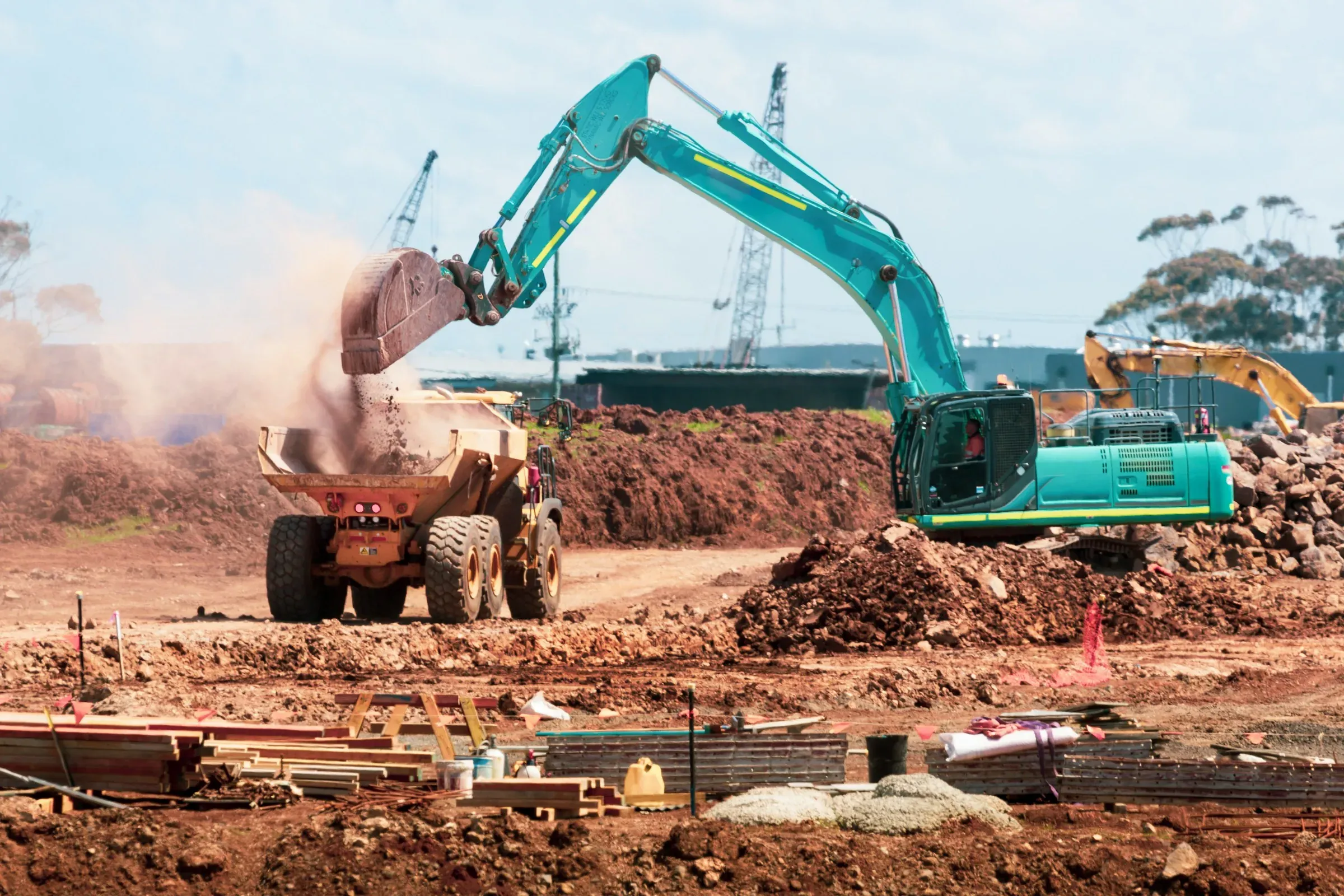
These find the abnormal costs that a standard build rate misses. Our guide to abnormal costs in construction explains each one.
- Ground. A desk study, then trial pits or boreholes if the scheme depends on it.
- Contamination. A desk study of past uses, then testing where needed.
- Flood risk. An Environment Agency flood risk report, then a flood risk assessment if required.
- Existing buildings. Asbestos survey, structural condition and what can be reused.
- Utilities. Capacity for electricity, water and drainage, and where the connections are.
- Neighbours. Party walls, rights of light and anything shared. See the Party Wall Act for developers.
- Trees and ecology. Protected trees, habitats and biodiversity net gain.
- Building safety. Taller blocks of flats need Building Safety Regulator approval before work starts. See Gateway 2 and the second staircase.
The cost check most buyers skip
This is the step that decides whether the deal makes money. It is also the one most often left to a rough number.
National planning guidance says the price paid for land is not a reason to avoid planning policy. It adds that buyers should consider this when agreeing land deals. In plain words: if you overpay, the council will not rescue the scheme.
Our guide to development appraisal and residual land value explains the maths. Our article on how development sites are oversold shows what happens when this step is skipped.
Due diligence red flags that should stop the deal
- A restrictive covenant that blocks your scheme, with no clear route to release or insure it.
- No legal access, or access through a strip owned by someone else.
- A permission close to expiry, with no proof of a lawful start.
- Conditions or obligations the scheme cannot afford.
- Ground, contamination or flood risk that changes the foundations or the design.
- A cost plan that leaves less profit than you need at the asking price.
- A seller who will not allow surveys or give time for them.
How long due diligence takes, and who does what
| Check | Usually done by |
|---|---|
| Title, searches, contract | Your solicitor |
| Planning policy and history | Planning consultant |
| Ground, contamination, flood | Specialist surveyors and engineers |
| Measured and structural surveys | Surveyors and structural engineers |
| Design options | Architect |
| Cost plan and appraisal | Builder or cost consultant, with you |
Agree the due diligence period in the heads of terms, the short summary of the deal agreed before contracts are drafted. Leave enough time for the surveys and the cost plan. If a seller will only give you days, price that risk or walk away.
If you are deciding between land with consent and land without, read buying land with or without planning permission. If it is your own land, start with what you can build on your land.
How we help
We work on development schemes from £3M to £150M gross development value. Our team covers planning, design, development management and construction. So one team can run the planning, technical and cost checks together, and give you one answer: what the site is worth to you.
See our development feasibility and site appraisal service.
Due diligence costs a little before you buy. Skipping it can cost the whole profit after. Before you exchange, book a site visit and we will check the site with you.
The cost and appraisal check
- A design that fits the site, tested against planning and building rules.
- A cost plan priced element by element, by people who build.
- Every abnormal cost on its own line.
- A contingency, usually 5% to 10% of construction cost.
- Fees, finance on the full programme, sales costs and planning obligations.
- Realistic sales values for each unit type, not the best one.
- A stress test: costs up, values down, programme longer.
- Your maximum land price, written down before you negotiate.