
For freeholders of blocks of flats in England
How Much Is a Block Freehold Worth?

Sviatoslav JerdetchiiCEO & Founder of Craftex. Updated , 5 min read
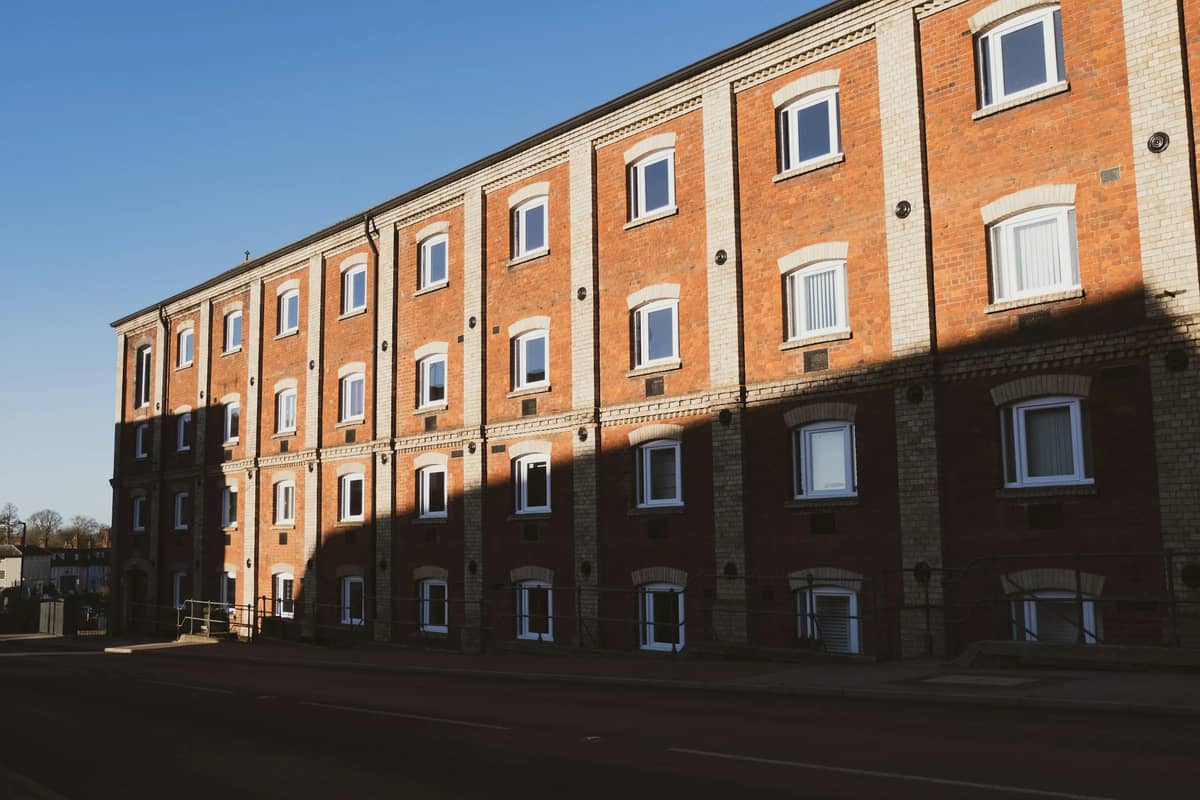
The short answer
How much a freehold is worth depends on what a buyer gets with it. For a block of flats that is the ground rent, the lease terms and any room to build, such as new flats on the roof.
- A freehold with only ground rent is valued on that income.
- Room to build on the roof or the land can be worth more than the ground rent.
- Leaseholders often have a legal right to be offered the freehold first.
- There is no single price per flat. A valuer or a buyer has to look at your block.
How much a freehold is worth depends on what a buyer gets with it. For a block of flats that is the ground rent, the lease terms and any room to build, such as new flats on the roof.
So there is no single price per flat. Two blocks of the same size can be worth very different sums. This guide explains what moves the figure. It covers England only, and it gives no prices, because every block is different.
Own a block and thinking of selling? You can sell the freehold of your block to us, sell the roof space, or keep it while we build for you. To start, send us your block.
What a buyer pays for in a freehold
A buyer of a block freehold is paying for rights, not for the flats. The flats belong to the leaseholders. Three things carry the value.
| Part of the value | What it is | What to check |
|---|---|---|
| Ground rent | The yearly rent each leaseholder pays the freeholder | The rent in each lease and how it rises |
| Lease terms | The length of the leases and what they allow | How many years are left on each lease |
| Room to build | New flats on the roof, or on land around the block | Planning rules, the structure and who controls the roof |
Ground rent is steady income. On newer blocks it may be nil. Since 30 June 2022, the ground rent on most new long residential leases has been set at one peppercorn a year. In plain words, that is zero.
Room to build is where many freeholds hide their value. A flat roof on the right kind of block can take new homes.
How much roof space adds to what a freehold is worth
National planning rules allow up to two extra storeys of flats on some blocks without a full planning application. The council must still give prior approval. The main tests in the legislation are:
- The block is purpose-built and detached
- It has three or more storeys above ground
- It was built between 1 July 1948 and 5 March 2018
- The finished building is no higher than 30 metres
Listed buildings, conservation areas and National Parks are among the places excluded. A block that fails these tests can still go for full planning permission. Our airspace development page explains both routes.
Height matters for a second reason. A building of at least 18 metres or seven storeys counts as higher-risk. The Building Safety Regulator must approve the building work before it starts.
We are working on a rooftop scheme on an occupied block in Islington, now at pre-application. You can read about it in our Collingwood House case study.
What lowers the value of a block freehold
A buyer prices in anything that limits what the freehold can earn or what can be built. These points come up most:
- Low or nil ground rent. Less income means a lower income value.
- Leases that control the roof. If the leases give the roof or the airspace to the flat owners, the freeholder cannot build without them.
- Leaseholders' rights. Leaseholders may have the right to be offered the freehold first. They may also have the right to buy it together.
- Planning limits. A listed building or a protected area can rule out the simpler planning route.
- Height. Work on higher-risk buildings needs the regulator's approval first.
Leaseholders can buy the freehold as a group. The law calls this collective enfranchisement. The notice must come from the tenants of at least half the flats in the block. Ask a solicitor how these rights apply to your building.
How a freehold valuation is done
A formal valuation is a job for a valuer who is RICS-qualified. The valuer looks at two things.
The first is the income: the ground rents, and when they rise. The second is the development potential. This is tested by working out what could be built, what it would sell for and what it would cost. Our guide on how to value land explains that method.
A developer does the same sums before making an offer. That is why a developer may value your roof when an income buyer does not.
Selling to a developer or to the leaseholders
Before you sell, check who has to be asked first. The Landlord and Tenant Act 1987 gives qualifying tenants a right of first refusal in many blocks. In those blocks, a landlord must serve a notice on the tenants before selling.
The Act applies where a building has two or more such flats and qualifying tenants hold more than half of all the flats. It does not apply where more than half of the floor area is non-residential. Selling without following the rules is a criminal offence. This is general information, not legal advice. Ask your solicitor.
A developer buys for the room to build, so its offer rests on what can be added. If you own a shop, pub or office freehold, see our guide on selling a freehold commercial property.
Craftex has completed a range of both small and large-scale projects on our commercial property with exceptional precision and quality. Dmitriy consistently delivers courteous, prompt service and has shown great flexibility in accommodating last-minute changes to plans and timelines. I highly recommend Craftex for their professionalism and outstanding workmanship.
Three ways we can work with a freeholder
Craftex is a London-based property development and construction company. We buy and develop sites across England. There are three ways to work with us:
- We buy it. We buy the freehold or the roof space, with or without planning permission.
- Joint venture. You put in the roof. We bring the planning, the build and the sales, and we share the result as agreed.
- We deliver it for you. You keep the freehold. We take the new flats from planning through building to sales for a fee.
We take on schemes from about £3M GDV. GDV is the total sale value of the finished scheme. We typically take on schemes of £3M to £150M GDV, and larger schemes are welcome.
We agree terms site by site. We do not publish a price. Our team's combined experience covers 11,127 homes taken through planning. You can also sell your land or building of another kind to us.
We reply within one hour, Monday to Saturday, 8am to 6pm. Urgent? Message us on WhatsApp: we reply straight away, any day. One next step: send us your block.
What to send us about your block
- The address and the Land Registry title number, if you have it
- The number of flats and storeys
- The year the block was built, if you know it
- The roof type: flat or pitched
- A sample lease, so the roof and airspace wording can be checked
- The ground rent each flat pays


