
For homeowners and property owners
Subsidence Cracks: When to Worry, What to Do

Sviatoslav JerdetchiiCEO & Founder of Craftex. Updated , 5 min read
The short answer
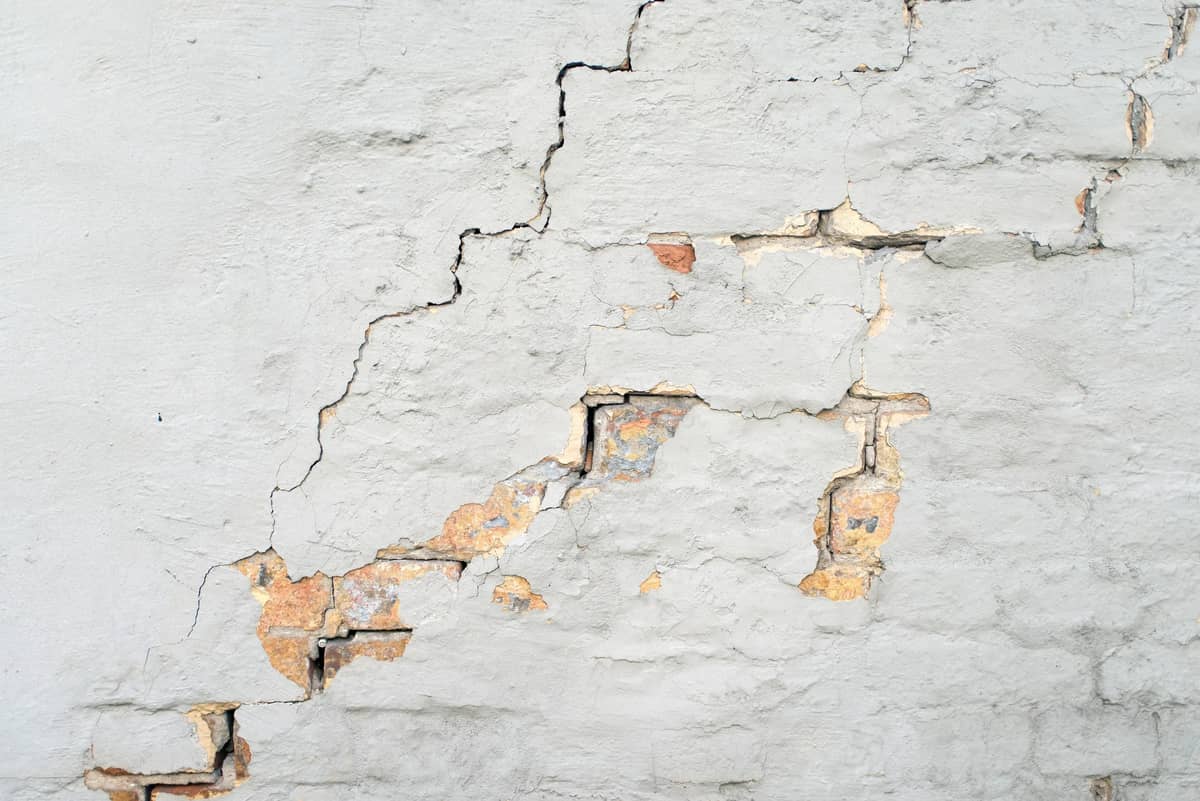
Subsidence cracks are often diagonal, wider at the top and wider than about 3 mm, and they show inside and outside. Hairline cracks are common and can come from drying plaster or a house settling.
- Watch for cracks near doors and windows, sticking doors and cracks that keep growing.
- BRE groups cracks up to 5 mm wide as damage that needs only redecoration.
- Tell your buildings insurer early: most home policies cover subsidence.
- Do not fill or redecorate until the cause is found.
Subsidence cracks are often diagonal, wider at the top and wider than about 3 mm. They tend to run near doors and windows and show both inside and outside. Many fine cracks are not subsidence at all.
This guide shows how to tell the difference and what to do next. Our structural engineer inspection tells you what a crack means. Worried now? Book a structural survey and send us photos.
This is general information for England, not engineering advice. A structural engineer must inspect your building to say what is causing a crack.
What subsidence cracks look like
Subsidence means the ground under part of a building sinks and pulls the foundations down with it. That is how the Financial Ombudsman Service defines it. The part of the house that moves pulls away from the part that stays, and the wall cracks between them.

The Federation of Master Builders (FMB), the builders' trade body, lists these signs:
- Cracks wider than around 3 mm.
- Diagonal cracks, especially around doors and windows.
- Cracks wider at the top than at the bottom.
- Cracks you can see both inside and outside.
- Cracks where an extension joins the main house.
- Doors or windows that start to stick, and sloping floors.
The FMB adds a fair warning: one sign alone does not always mean subsidence. Several signs together, or a crack that grows, is when to get advice.
Cracks in walls: when to worry
Most houses have cracks. The Ombudsman says cracks do not automatically mean subsidence. New houses settle, plaster dries and shrinks, and lintels fail. A lintel is the beam over a door or window.
BRE, the building research body, grades crack damage in six categories in its Digest 251. It groups them in three bands:
| BRE categories | What BRE calls it | What it usually means |
|---|---|---|
| 0, 1 and 2 (cracks up to 5 mm) | Aesthetic | Needs only redecoration |
| 3 and 4 | Serviceability | Can affect weather-tightness and doors and windows |
| 5 | Stability | Likely to need structural work |
BRE also says a crack that keeps widening can move it into a worse category. So width on one day is only half the story. The other half is whether it is still moving.
| What you see | Why it matters | Next step |
|---|---|---|
| Hairline crack in new plaster | Common as plaster dries or a new house settles | Photograph it, date it, watch it |
| Crack up to 5 mm, not growing | BRE treats it as aesthetic | Fill it once you know it has stopped |
| Diagonal crack over 3 mm, wider at the top | A typical subsidence sign (FMB) | Ask an engineer, tell your insurer |
| Doors sticking, floors sloping | The frame of the house is moving | Get an inspection |
| Crack where an extension meets the house | The two parts may move differently | Get an inspection |
| A crack that keeps getting wider | Movement is still active | Inspection and monitoring |
What causes subsidence
The Financial Ombudsman Service lists the main causes. Clay shrinkage is one of the most common. Clay is about 30% to 35% water, and it shrinks as plants and long dry spells draw that water out.
- Trees. Roots take water from clay soil. The FMB says around 70% of subsidence insurance claims are tree-related.
- Leaking drains or water mains. Water can soften the ground or wash soil away. The FMB puts drainage problems in 10% to 15% of claims.
- Holes in chalk or limestone. The Ombudsman calls these solution features, or sinkholes.
- Old mines. A collapse below ground can pull the house down.
- Poor ground. Badly compacted fill, or organic material that rots and loses volume.
New buildings must be designed against this. Requirement A2 of the Building Regulations says foreseeable ground movement must not impair a building's stability. Our guide to Part A building regulations explains it.
Subsidence, heave and settlement are not the same
Four kinds of ground movement can crack a wall. The Ombudsman explains each one. The difference matters, because insurance may treat them differently.
| Type | What happens |
|---|---|
| Subsidence | The ground under the building sinks and pulls the foundations down |
| Heave | The soil swells and pushes the building up |
| Landslip | Sloping ground moves downhill |
| Settlement | The building's own weight compresses the soil, within 10 years of construction |
The Ombudsman says most home insurance policies cover subsidence, heave and landslip. Settlement is the movement of a new house as it beds in.
Some damage only looks like ground movement. The Ombudsman names sulphate damage, a chemical reaction under a concrete floor slab that is sometimes mistaken for heave. Policies do not usually cover it.
What to do about subsidence cracks
Do not rush into repairs. The FMB warns that filling cracks before the cause is found hides the symptom and fixes nothing. Work through these steps instead.
- Record the crack. Photograph it next to a ruler and write the date. Repeat it later to see if it changes.
- Tell your buildings insurer. If the damage looks serious, the FMB says the insurer may be the first call.
- Get an engineer's view. If you are unsure it is subsidence, the FMB says you may speak to a structural engineer first. Do not delay reporting a possible claim.
- Let the cause be found. The Ombudsman expects trial holes, boreholes and a camera survey of nearby drains.
- Monitor. The Ombudsman says this sometimes runs over a year so all the seasons are covered.
- Repair the cause, then the cracks. Fix the drain or manage the tree first. Underpinning is for serious cases.
Underpinning means deepening or strengthening the foundations. Next to a neighbour, digging below their foundations is work you must tell them about, says GOV.UK. Our party wall guide explains the notice.
Hired Craftex for our conversion project. We had to convert a 600m2 office into 8 apartments. Guys did an excellent job in terms of program efficiency and quality of the finishes which gave us a big upside to exit the project 2 months faster than other competitors’ timelines.
What subsidence repairs cost
Insurance usually pays for subsidence repairs, less your excess. The FMB publishes these market figures. They are the FMB's figures, not Craftex prices.
| Item | Market figure |
|---|---|
| Structural engineer inspection | £175 to £300 |
| Structural engineer report | £500 to £2,000 |
| Average subsidence insurance claim | around £20,000 |
| Underpinning | £20,000 to £100,000+ |
Not every case needs that much. The FMB says historic movement, which has stopped, may need only evidence, monitoring records or cosmetic repairs. Our guide to structural engineer cost compares fees from two named guides.
How our structural engineers check cracks
A good inspection answers three questions: is it moving, why, and what will stop it. Our structural engineers look at the pattern of the cracks and measure their width. They check the age of the house, nearby trees, drains and any later extension.
You get a written report in plain words, with the next step. If the house needs repair, our builders carry it out to the engineer's design. One team, from the first visit to the last coat of paint.
Craftex is a team of architects with 50 years of experience, interior designers, engineers and builders.
For urgent works we can visit the same day or the next day. A structural survey finds the cause before anyone fills a crack. Book a structural survey and send us photos of the cracks first.


